It's every bad team's favorite time of the year: the NBA draft lottery.
The lottery gets underway Sunday at 3 p.m. ET in Chicago, providing an opportunity for the league's non-playoff teams to better their chances of drafting a potential franchise cornerstone ahead of the first round of the NBA draft on June 23.
How to watch 📺
| Country | Channel |
|---|---|
| U.S. 🇺🇸 | ABC |
| Canada 🇨🇦 | TSN |
How it works 🏓
A representative from each of the 14 teams that failed to make the playoffs will attend the draft lottery, during which the league draws randomized pingpong balls to determine which franchises will make the top four selections.
The lottery picks for the remaining 10 teams will be arranged in reverse order based on their 2025-26 regular-season records, as will the rest of the first round (Nos. 15-30) and the entire second round (Nos. 31-60).
2026 NBA Draft Lottery odds 🎰
Top prospects 🌠
Unlike last season's draft in which Cooper Flagg was the obvious choice to go first overall, there's some mystery about who will be taken with the top pick following a collegiate campaign highlighted by otherworldly performances from an abundantly deep freshman class.
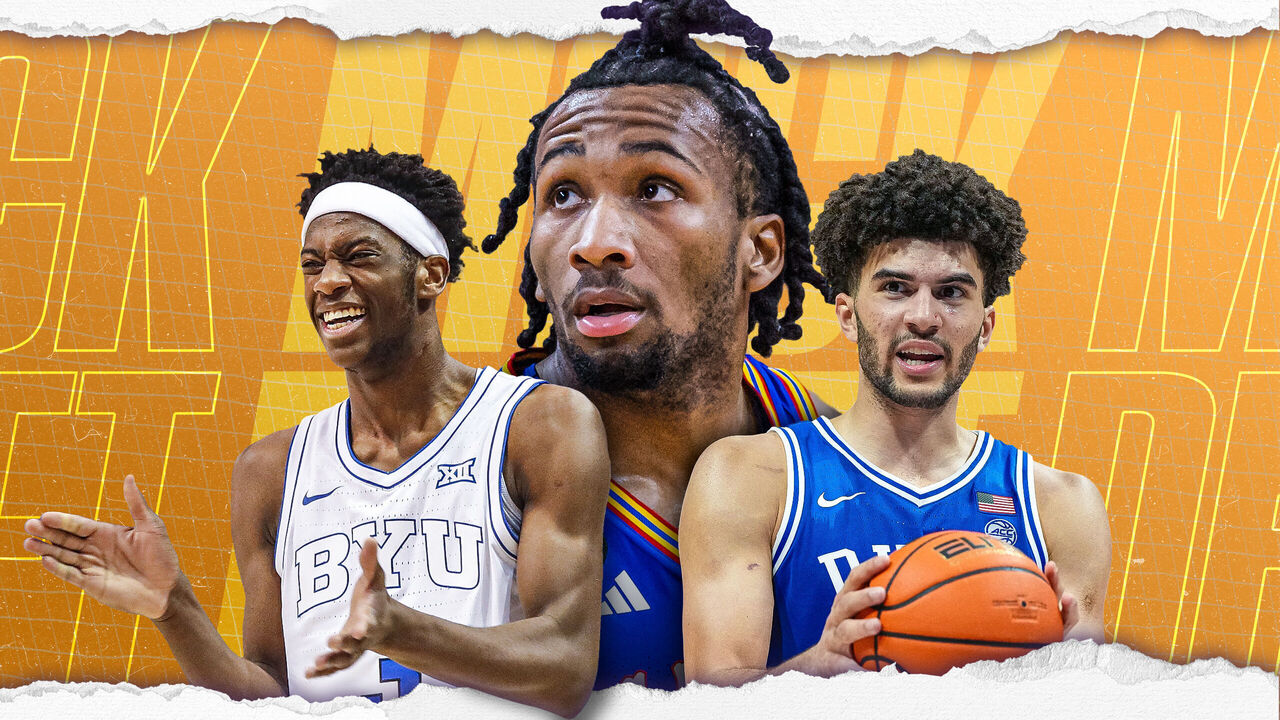
Kansas guard Darryn Peterson was long viewed as the consensus No. 1 pick, but BYU star AJ Dybantsa is turning the tide after a standout campaign. We had Peterson in the first slot back in March; click here to view that mock draft. Bear in mind that some players, such as Florida's Thomas Haugh and UConn's Braylon Mullins, have committed to returning to school since the publishing of that mock.
AJ Dybantsa, F (BYU)
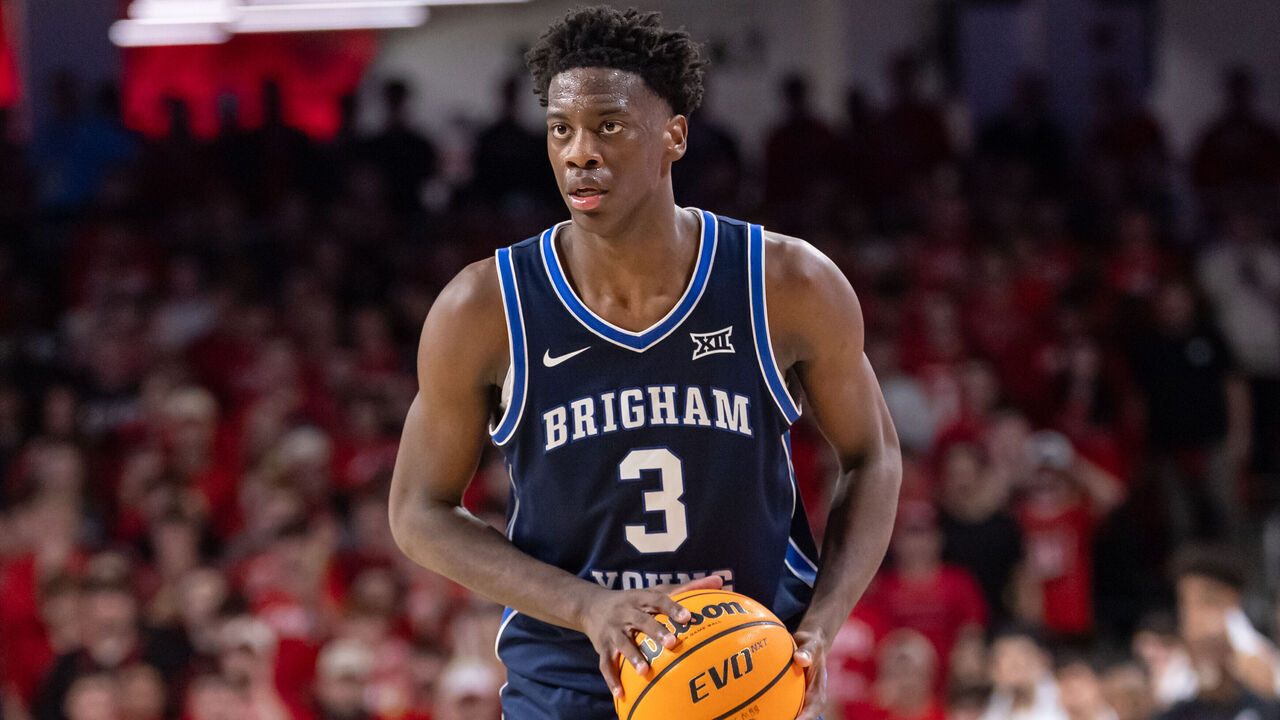
Dybantsa is in play for the first pick because he fits the star player archetype. The 6-foot-6 forward led Division I in scoring with 25.5 points per game on 51% shooting to go along with 6.8 rebounds and 3.7 assists. He's a three-level scoring with top-tier athleticism, versatility, and defensive upside. Dybantsa also boasts a lightning-quick first step and burst as well as the ability to easily change directions while accelerating and decelerating.
Darryn Peterson, G (Kansas)
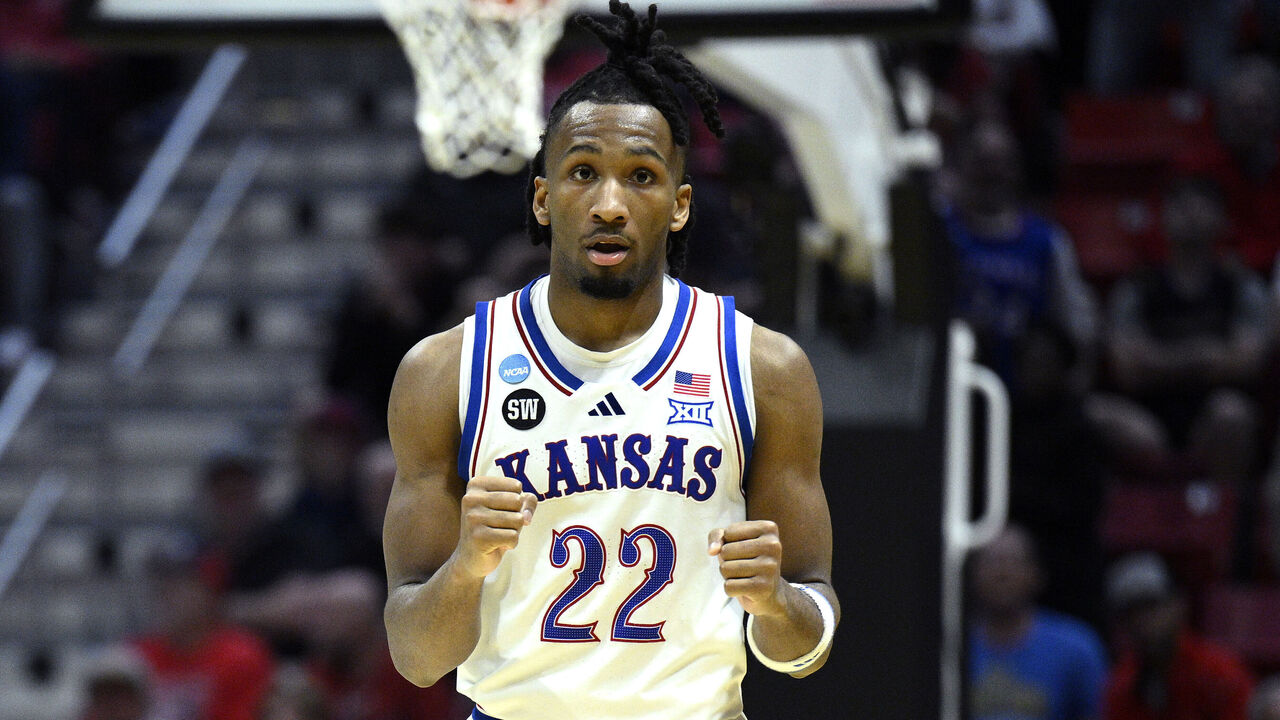
Assorted injuries and infrequent availability at Kansas have put Peterson's chances of becoming the first overall pick into question, though there's no denying that he's an elite offensive prospect. The 6-foot-6 guard averaged 20.2 points on 43.8% shooting in 24 appearances for the Jayhawks, and no player in this draft has the array of attacking tools that he does. Peterson's size and athleticism are top class, as is his shotmaking prowess.
Cameron Boozer, F (Duke)
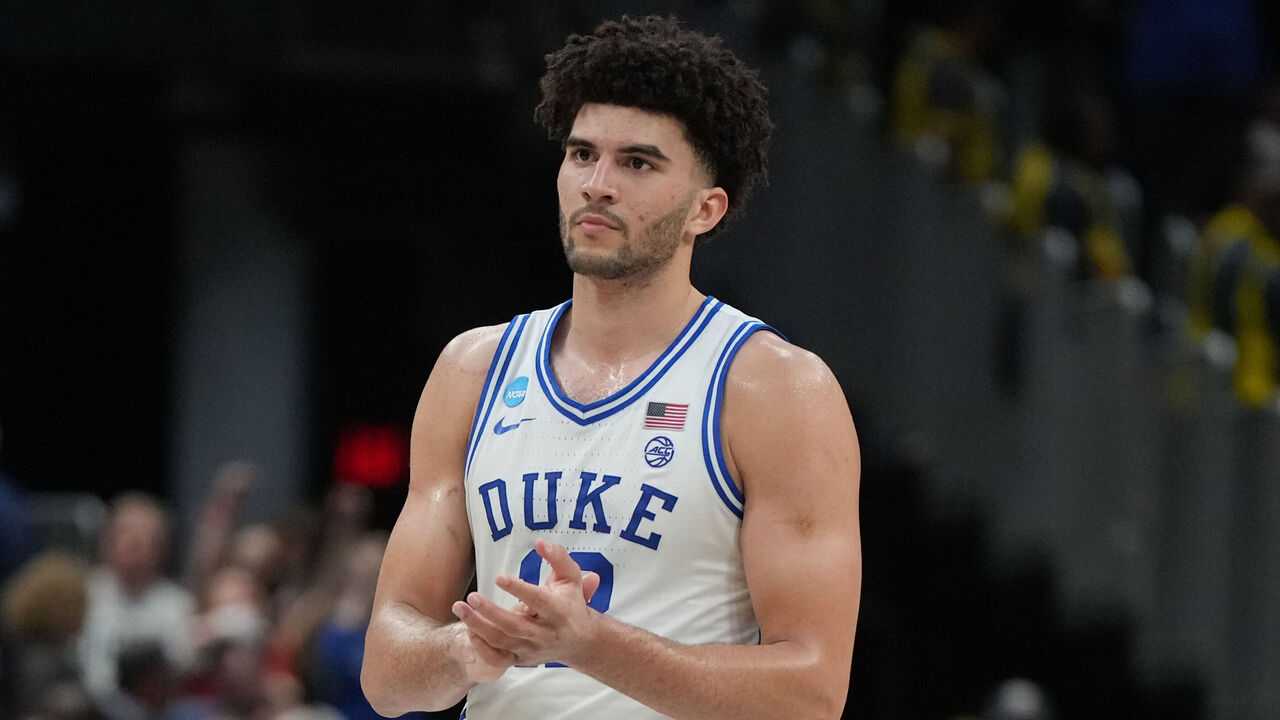
The knock against Boozer is that he lacks the elite athleticism to be an All-Star at the next level. That assumption diminishes the fact that he provides an uncanny blend of size and skill with NBA-ready polish, which should allow the 6-foot-10 forward to make an immediate impact. He averaged 22.5 points, 10.2 rebounds, and 4.1 assists on a tidy 55.6% shooting and boasts a top-tier basketball IQ.
Caleb Wilson, F (North Carolina)
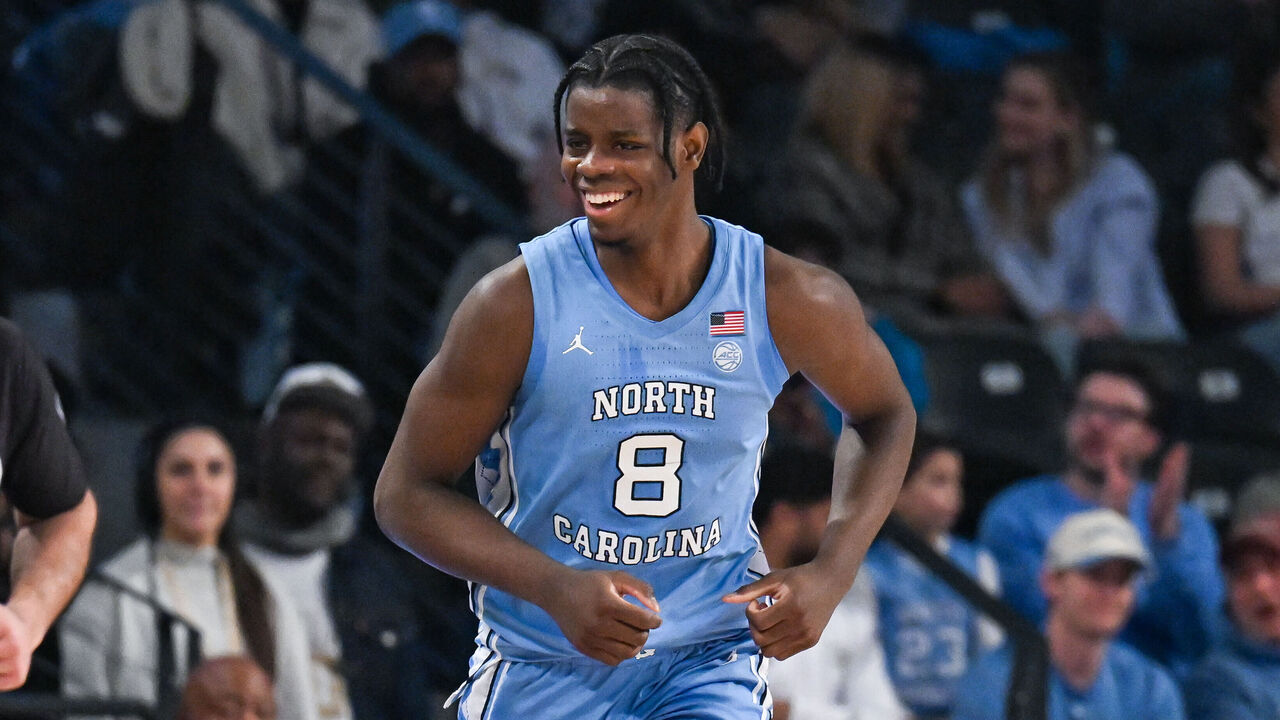
Boozer's presumed spot on the podium will get its biggest test from Wilson, who had a stellar freshman season with the Tar Heels (19.8 points and 9.4 boards on 57.8% shooting) before fracturing his thumb in March. The ceiling is incredibly high for the 6-foot-10 forward. He's a high-energy menace on the defensive end and a transition threat who excels at the rim, courtesy of his first-class bounce.