theScore's NFL draft prospect rankings series gives you everything you need to know about the top players available in this year's incoming rookie class.
👉 Jump to: QB | RB | WR | TE | OL | DL | EDGE | LB | CB | S | Top 50
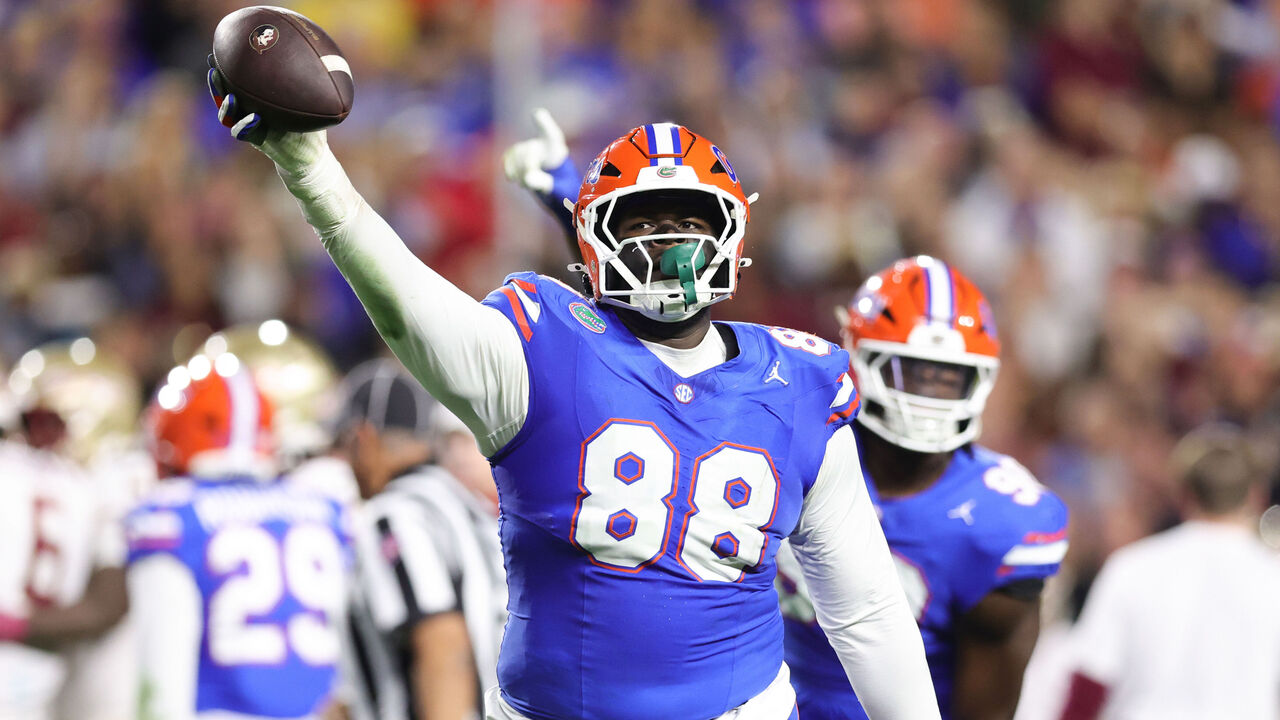
Banks has the potential to be a dominant force at the next level. His medical history will be a significant part of his evaluation, as he didn't suit up until the last two games of the 2025 season due to a foot injury suffered in camp. Then he broke a bone in his foot while preparing for the combine, leading to surgery that could keep him out until OTAs. But Banks participated in the combine anyway and still somehow put together an incredible athletic profile. Defensive tackles tipping the scales at 6-foot-6 and 327 pounds simply aren't supposed to have 5.04 speed and elite jump scores. Those rare movement skills, along with the power you'd expect from a player of his size, are all over his tape at Florida.
Whether it's as a pass-rusher or a run defender, Banks regularly notches the kind of quick wins you typically only see from players who are 50 pounds lighter. Throwing double-teams his way doesn't help much, either. He can either anchor down or split the combo blocks while knifing into the backfield. Banks will have to become a more reliable finisher when he puts himself in position to make those splash plays - his tackle and sack production leave something to be desired. And improving his pad level may be imperative in order to maintain his power against NFL competition. But if he can clean those things up, and his foot issues are in the past, there's a real chance he'll wind up being one of the best players in this entire draft.
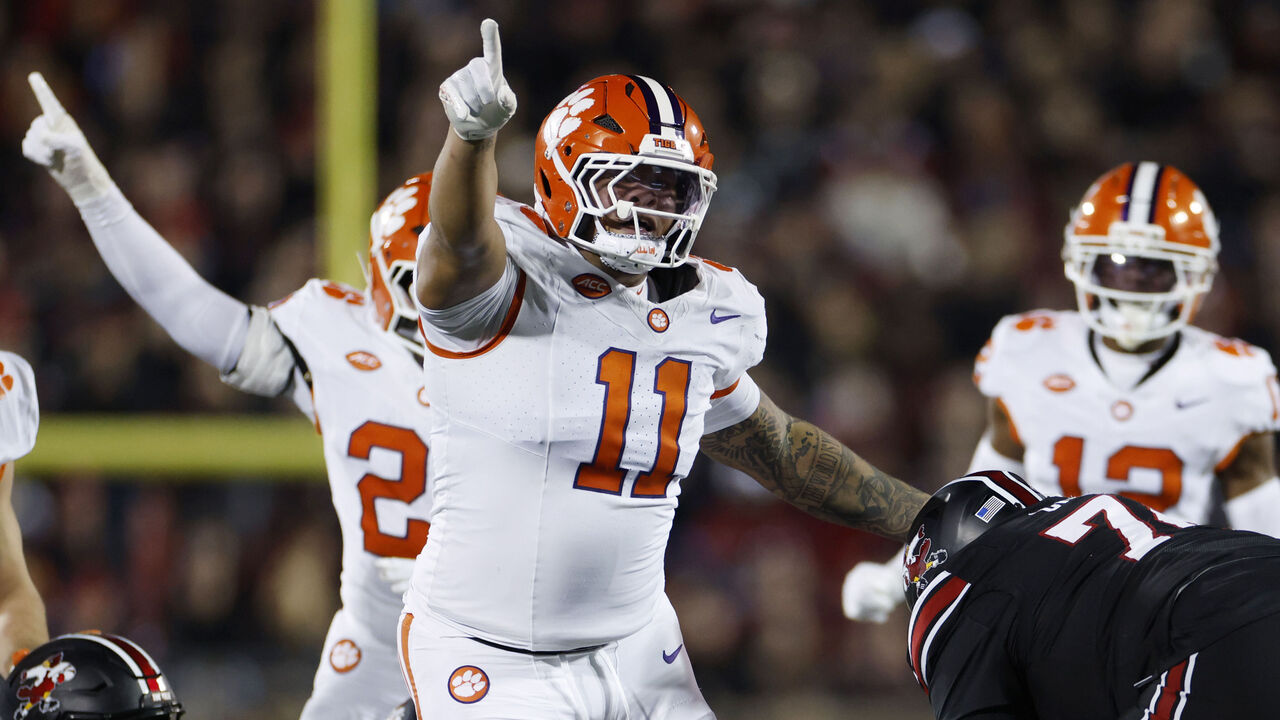
Making the jump to the NFL on the heels of a disappointing final season won't help Woods' draft stock, but you don't have to squint to see why he was widely considered a potential top-10 talent beforehand. The Clemson product is an impressive athlete for the position, demonstrating a quickness that can be tough for opposing interior linemen to match in any phase of the game. His rare movement skills and his ability to process blocking schemes allow him to beat opponents to spots in the run game. He also offers more power than you might expect, having shown the ability to anchor down and even rag-doll blockers in an effort to disengage and make a play on the ball.
His lack of length could conceivably cause him some problems at the next level, and he'll need to continue developing his rush arsenal in order to parlay his physical gifts into meaningful production when it comes to getting after the quarterback. But the ceiling is just so high for a player who can move like this. It seems possible, if not likely, that his quiet junior season was a product of a Clemson program that didn't maximize its most talented players. Woods' best football may still be ahead of him.
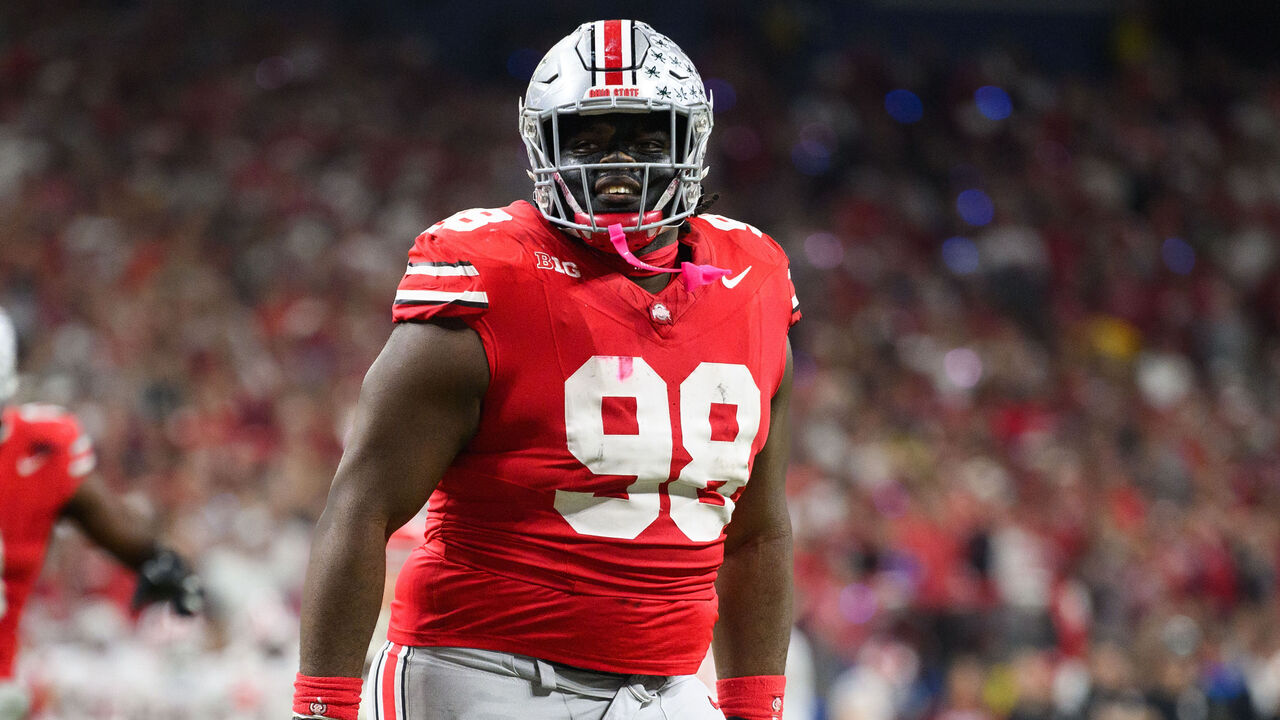
McDonald is a prototypical nose tackle. The Ohio State product can absolutely swallow up double-team blocks, if need be. His ability to anchor down and avoid any sort of displacement will help keep second-level players clean, immediately improving the run defense's entire operation. But he does more than just eat up space: McDonald also regularly sheds solo assignments to make plays on the ball himself.
Add it all up and it's no wonder that he finished the 2025 campaign leading all FBS interior linemen with a 13.3% stop rate in the run game, according to PFF. McDonald won't provide much value as a pass-rusher outside of the occasional pocket push, so estimating his draft stock is a matter of determining how much you value an early-down difference-maker up front. As NFL offenses increasingly trend toward the ground game, though, McDonald shouldn't be overlooked.
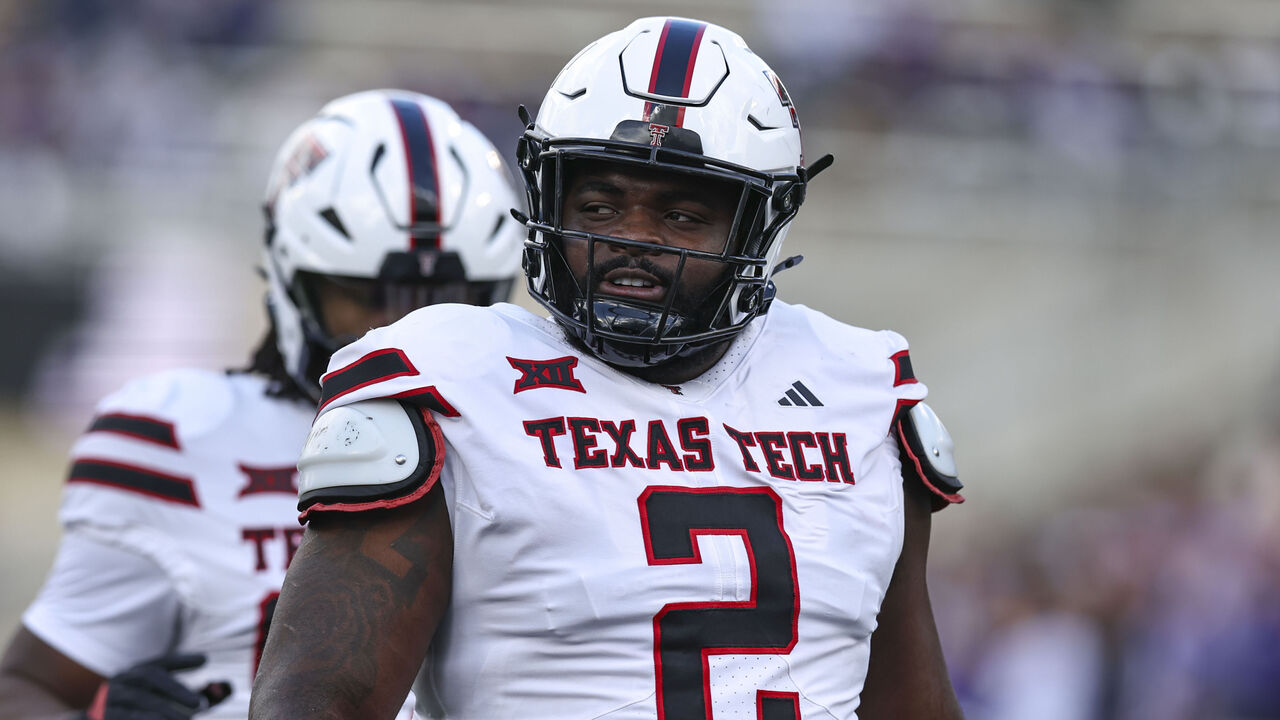
Hunter will be billed as a nose tackle. Based on his power and below-average athletic profile, that's almost certainly the best fit for him at the next level. He's not your average early-down space-eater, though. In fact, the Texas Tech star probably needs to improve his ability to anchor against double-teams as he transitions to the next level. But he's an impact player in the run game either way.
Hunter leans on instincts, hand usage, and sneaky quickness to easily deconstruct blocks and give himself a chance to make the play on the ball-carrier himself. Outside runs are no way to escape him - he's got the range and motor to chase those down too. And while teams probably can't count on steady pass-rush production, there's far more upside here than you get with most nose tackles. Hunter can either drive his opponent right into the quarterback's lap or use those heavy hands and surprising lateral agility to gain an advantage and slip into the backfield.
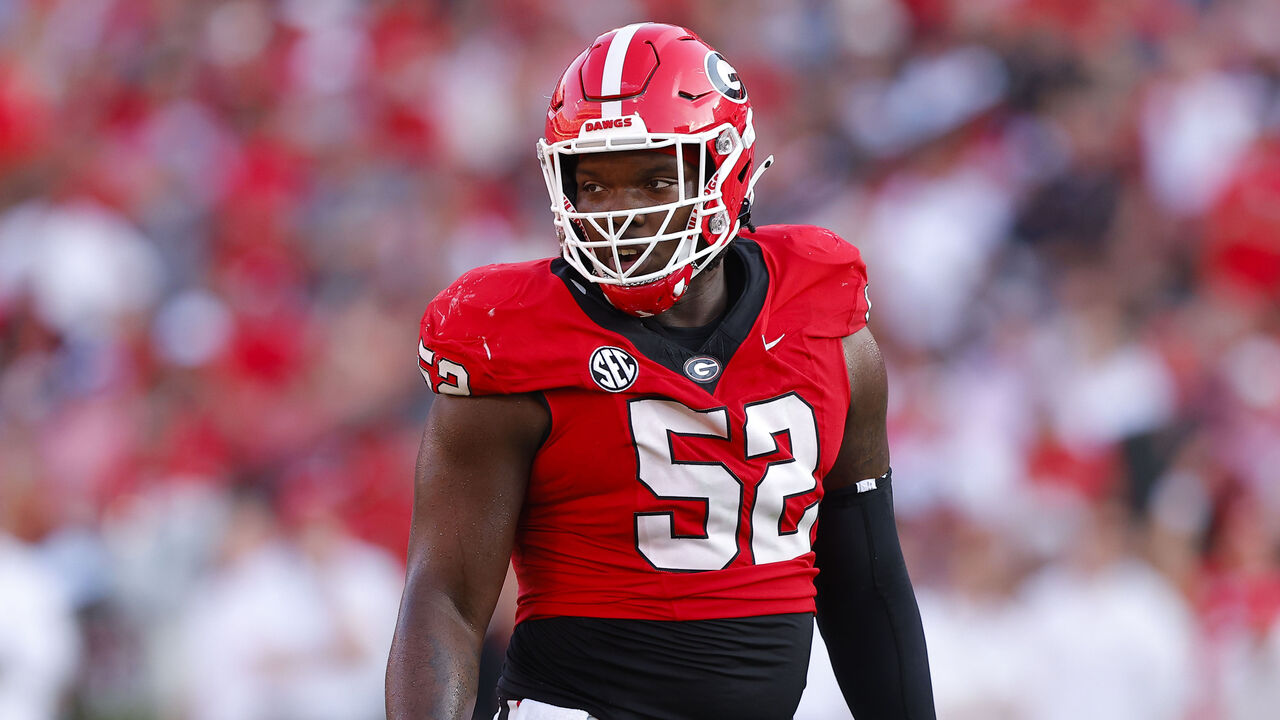
Blocking Miller can't be fun. The Georgia product makes life difficult for opponents in the run game, demonstrating the heavy hands and explosive power to knock back the man across from him. The ability to reset the line of scrimmage can be disruptive enough to a rushing attack, but he also shows the ability to shed his block and find the ball to finish the play on his own.
Miller has the ability to either anchor down and hold his ground against double-teams or power through contact to split the combo and get into the backfield. And while he doesn't necessarily profile as an impact pass-rusher after recording just four sacks over the last three seasons at Georgia, there's reason to believe he offers more upside than your average run-stuffer in that regard. His lateral quickness, active hands, and high-energy play style give him the potential to contribute on passing downs, too. Miller is a Day 1 starter in any scheme.
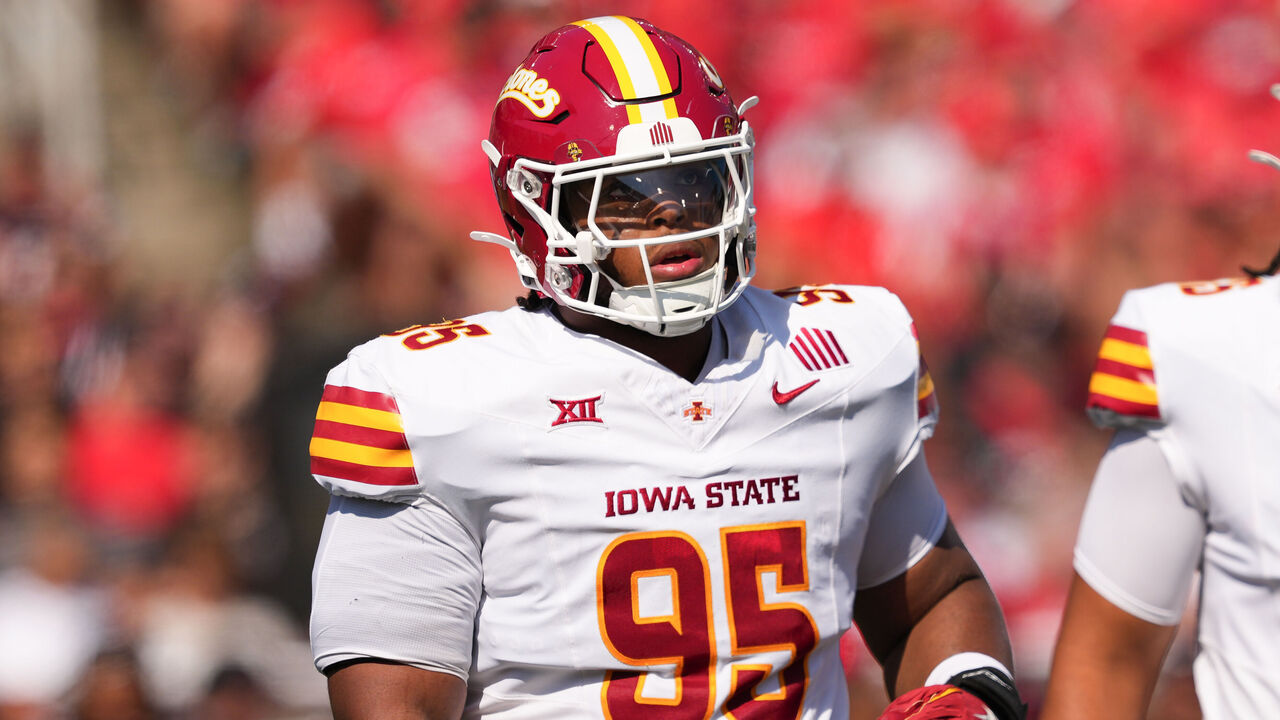
Projecting Orange at the next level is about as easy as it gets: The traits that made him an excellent nose tackle for the better part of his four-year career at Iowa State should translate well. He's got plenty of size for the position and plays with the requisite anchor strength and technique to eat up double-teams in the middle.
Orange is also a much more impressive athlete than your average run-stuffer, showing the lateral movement skills to beat opposing linemen to their spots and the quickness to slip single blocks and get after the ball-carrier. As a pass-rusher, he's never really capitalized on his surprising agility, and it's probably unreasonable to expect he'll make a monumental leap in that phase of the game as a pro. But that's not necessary for Orange to be an impact player. He'll likely outplay his draft position if teams get too hung up on pass-rush upside and undervalue premium run defenders.
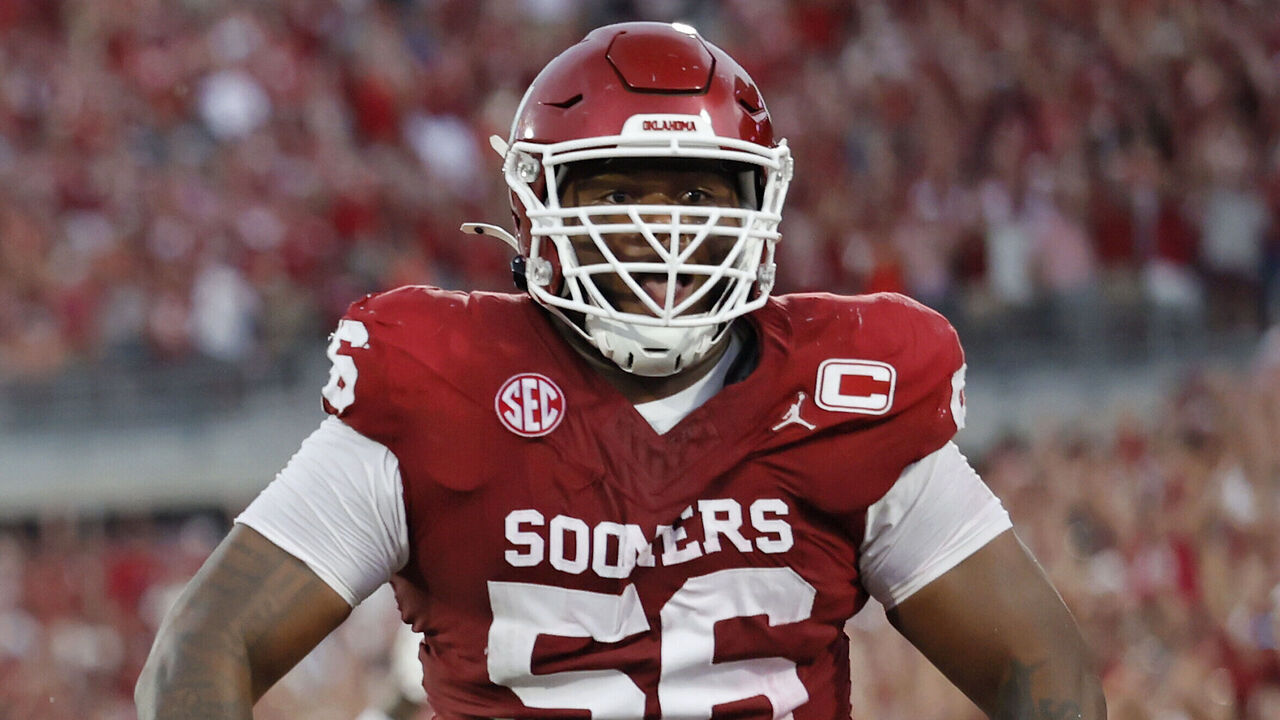
Halton is incredibly fun to watch. The elite athleticism he put on display at the combine is evident all over his tape at Oklahoma. His ability to explode off the ball and shoot gaps while making such sudden lateral movements is wildly difficult for opposing guards to match on the inside. And even when they're able to maintain position for decent contact, Halton has the hand-usage skills to swipe them away and continue upfield.
That ability also shows up in the run game, where he's able to slip blocks and chase down the ball-carrier. Scheme fit and role will be critical: Halton doesn't have the length, play strength, or anchoring ability to hold his ground in the run game when blockers can square him up. But his clear pass-rush upside is more than enough to get him drafted on Day 2, and it will be no surprise if his ability to shoot gaps also leads to some TFL production as a run defender.
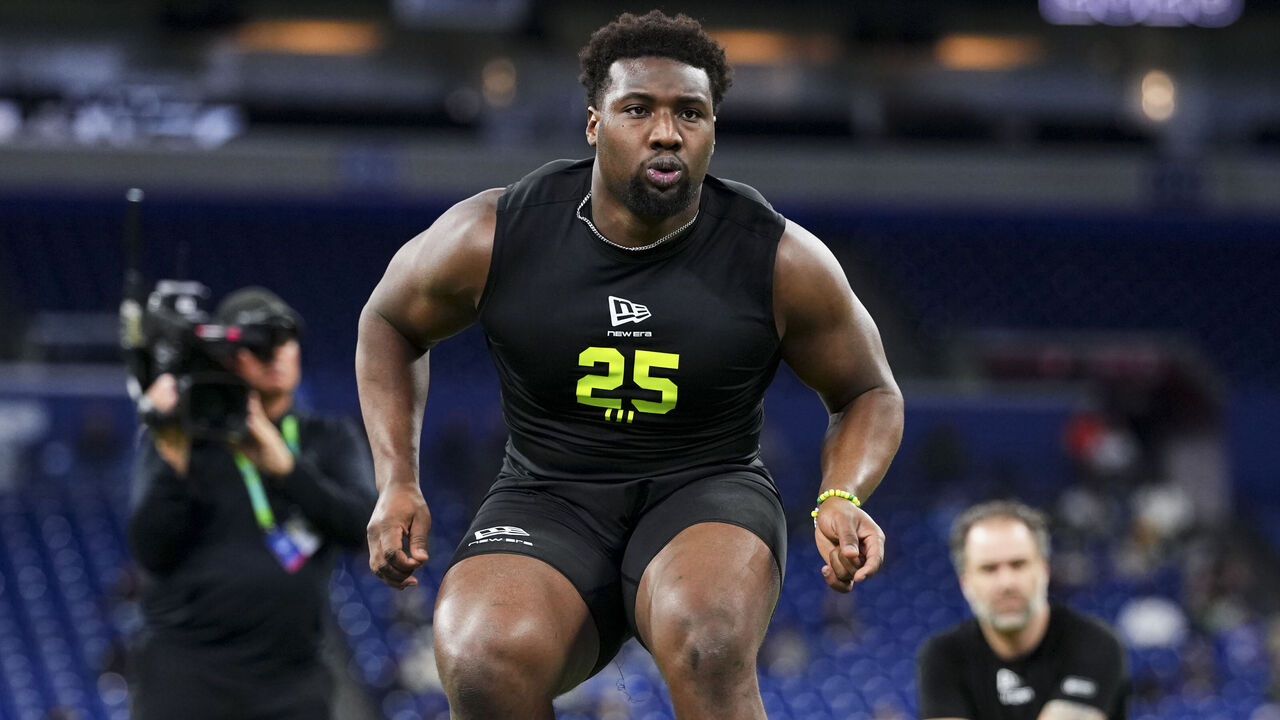
NFL teams won't overlook a player like this just because of concerns over his level of competition. Proctor is definitely in for some surprises coming from an FCS program at Southeastern Louisiana, and it's reasonable to expect his smaller stature and play strength could present some challenges when it comes to anchoring down against drive blocks in the run game. But only so many interior linemen can move like this. And after rising to the occasion with a two-sack performance against LSU in 2025, there should be considerable excitement about his chances of doing the same on Sundays.
Proctor has a lightning-fast first step off the line, and most interior linemen will have a hard time matching his lateral quickness. He also flashes good hand usage to complement those movement skills, both as a pass-rusher and when slipping run blocks, and he plays with great energy. If he's given the necessary time to get stronger, adjust to the professional game, and clean up his finishing ability as a tackler, Proctor offers the upside of a lineman who is consistently making plays in the backfield.
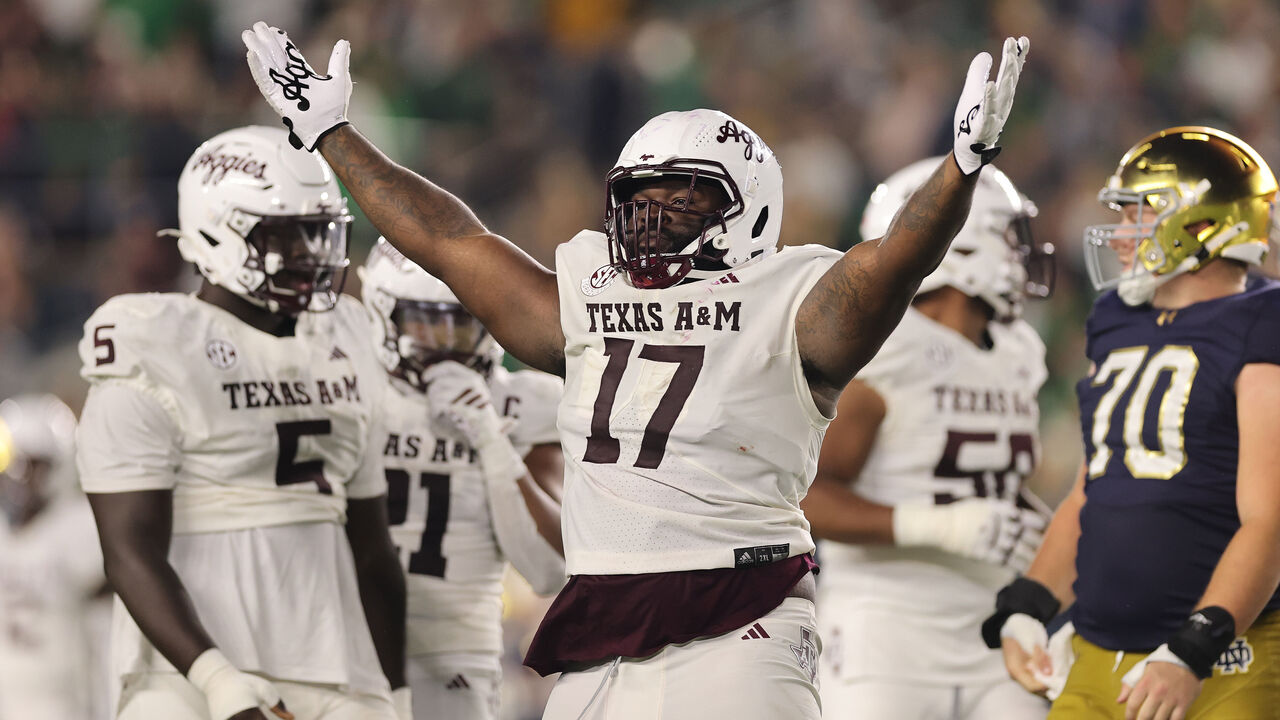
Regis is, first and foremost, an excellent run defender. While he may not have the ideal size or length for such a role, the Texas A&M product is as good as anyone in this interior class when it comes to play strength and technique. He has the knock-back power to reset the line of scrimmage and can stack and shed blocks before chasing down the ball-carrier. He's also an impressive athlete for the position, demonstrating the first-step quickness to beat opposing linemen to their landmarks.
Those movement skills were confirmed at the combine, where he ran a 4.88-second 40 and posted elite jump scores. Regis never managed any sort of meaningful pass-rush production in college, recording just 2.5 sacks across his last two years as a starter, so he shouldn't be expected to provide value there. But the athletic traits, along with his flashes of good hand usage, offer more upside than evaluators might expect. He's a high-floor prospect whose game could reach new heights as a pro.
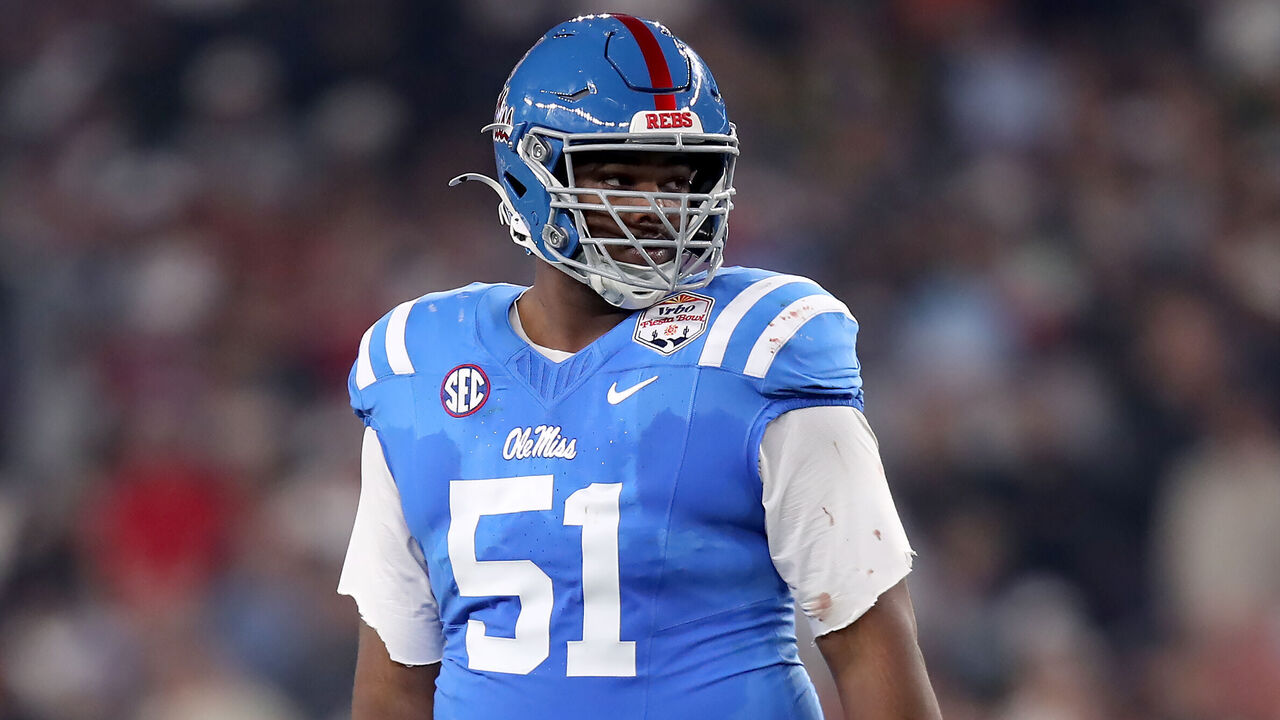
Harris is one of the most physically imposing interior defensive linemen you'll ever see. That kind of height on the interior isn't automatically a plus, and there are indeed some pad-level inconsistencies he'll need to clean up to avoid getting out-leveraged by NFL technicians. But he's showed flashes of dominance, particularly in the run game. Harris uses his size, power, and surprising agility to consistently defeat blocks and make plays on the ball.
His 39 tackles in the run game tied for tops among all FBS interior defensive linemen in 2025, according to PFF. He needs to develop as a pass-rusher after recording just 5.5 sacks across the last three seasons, but his unique physical traits offer some intriguing potential. At the very least, harnessing his length and power could allow him to push the pocket in a way that offers some late-down upside. Harris had foot surgery after the combine and was arrested twice during his time at Ole Miss (DUI and felony fleeing in 2023, domestic violence in 2024).
Dan Wilkins is theScore's senior NFL writer.