theScore's NFL draft prospect rankings series gives you everything you need to know about the top players available in this year's incoming rookie class.
👉 Jump to: QB | RB | WR | TE | OL | DL | EDGE | LB | CB | S | Top 50
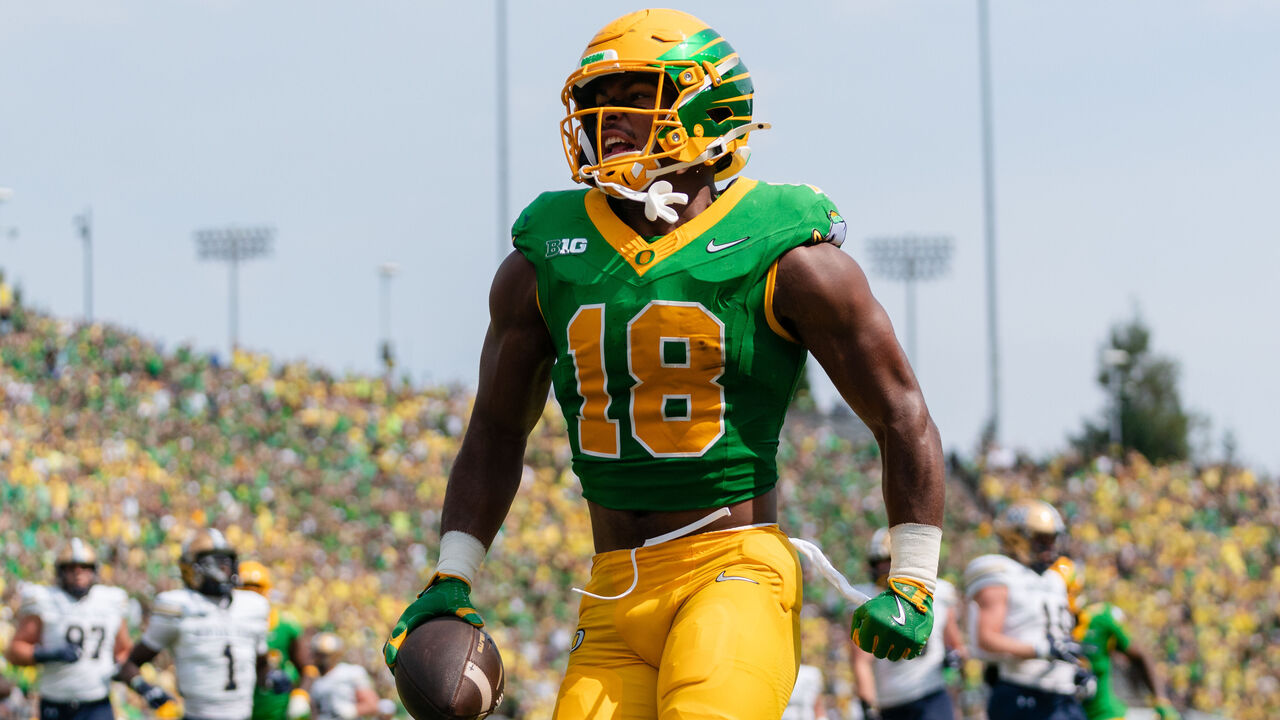
Sadiq is one of the most athletic tight ends we've ever seen. And he's not just a workout warrior - that rare explosiveness is all over his tape at Oregon. Linebackers and safeties are hard-pressed to match his vertical speed and his acceleration out of his route breaks. Although he wasn't the most productive playmaker after the catch in college, it's easy to see how teams might envision maximizing his movement skills and physicality.
Sadiq's also one of the rare high-end receiving tight end prospects who's an asset as a run-blocker. There will be questions as to whether he has the size to take on stronger defensive ends at the next level, but his power and technique give him a chance to hold his own. At the very least, he can be a difference-maker as an insert blocker and when climbing to the second level. A slam-dunk first-round pick, Sadiq could quickly emerge as one of the league's top-10 tight ends.
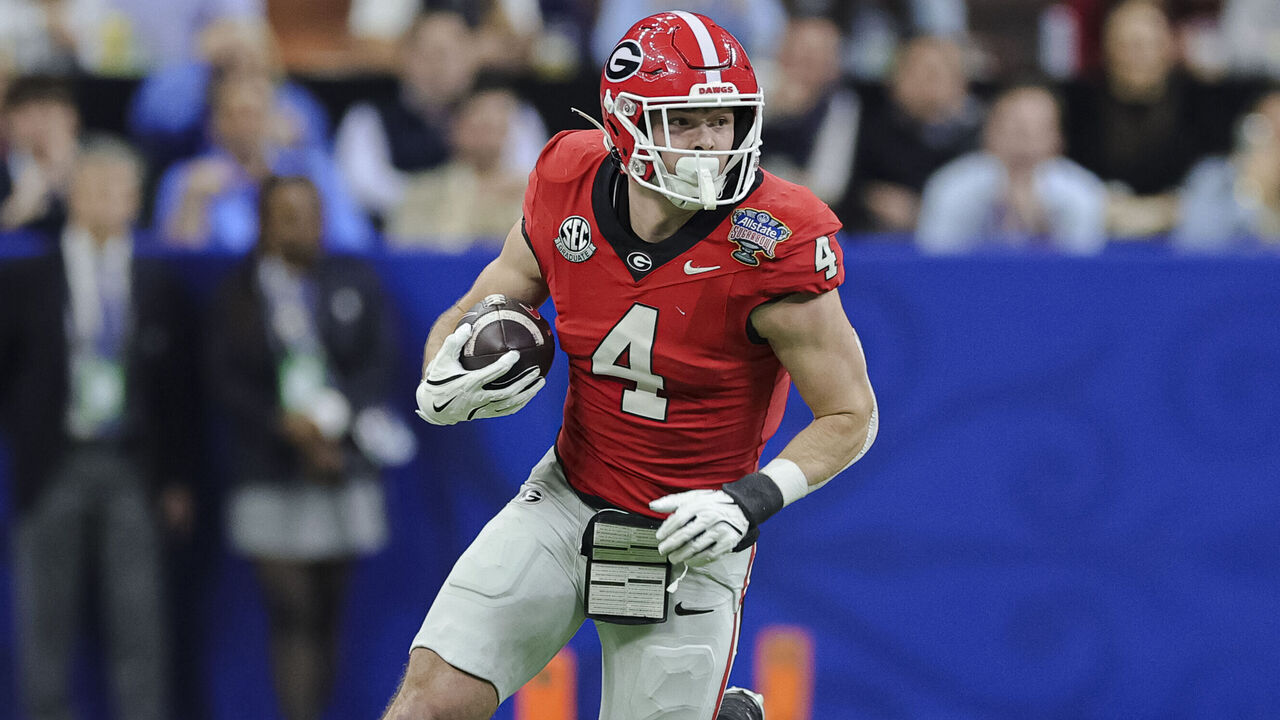
Delp's college numbers paint the picture of a blocking specialist. Let's call that a half-truth because the Georgia product is indeed a proven contributor in the ground game. He plays with sound technique, generates power as a drive blocker, and works off double-teams to find targets at the second level. But that's only part of his skill set. Delp never topping the 300-yard mark across four seasons at Georgia was more about bizarre usage and middling quarterback play than about his talent. A stellar pro day workout - with reports indicating he ran a 4.48 40 - confirms the explosive athleticism he put on tape.
Defenders have a tough time sticking with Delp in coverage, and he'll leave them in the dust turning upfield after the catch. He also flashed an ability to create easy separation in the rare opportunities he got downfield, exploding out of his route breaks. He could stand to get stronger at the catch point, but there's so much athletic upside here. Shocking as it may be for an outstanding program, Georgia didn't put Delp in a position to maximize his draft stock. In a more favorable situation, we're probably talking about this tight end class having two first-round talents. A team willing to look past the underwhelming production could end up with quite the value addition on Day 2.
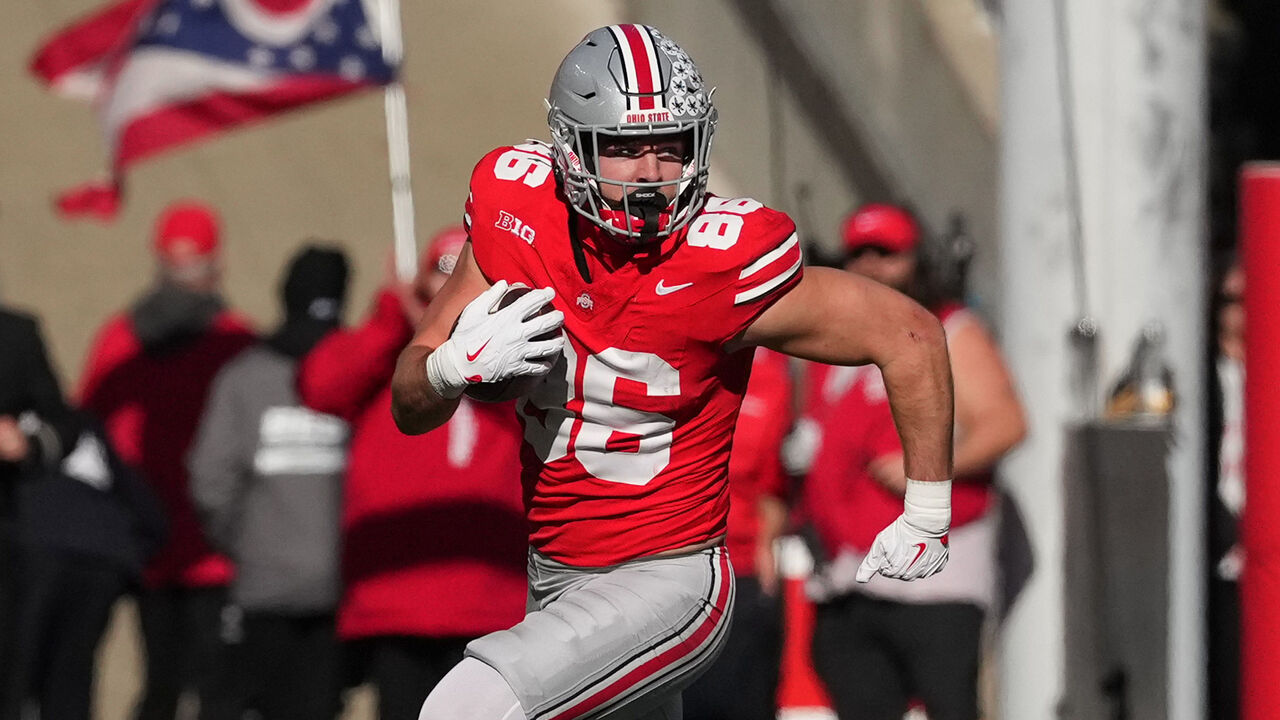
Some will consider Klare's production dropping off after he transferred to Ohio State for his final college season as a red flag. I'm more inclined to chalk it up to having a reduced target share in a run-focused offense that also happened to have the nation's best receiver tandem. At Purdue, Klare was the focal point of the passing game, and it was clear why.
Klare is an impressive athlete who demonstrates good speed for the position and explosiveness out of his breaks at the top of the route. His separation skills and ability to consistently create extra yards after the catch should make him a friendly target for NFL quarterbacks from the outset. He's probably more of a wing player than an in-line regular, as his run blocking is a work in progress. Klare could end up being a steal if teams are too focused on the 2025 statistical output.
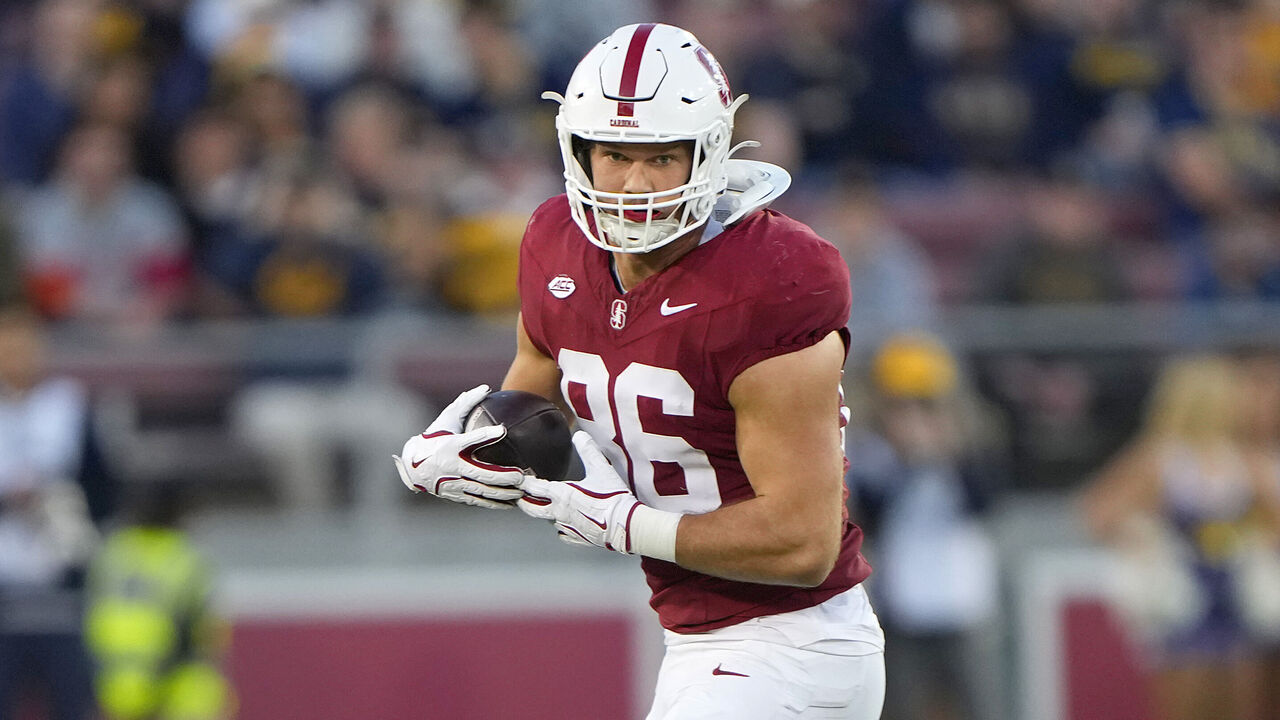
Roush is a bit of a throwback, making the jump to the NFL as one of the few tight ends who should be a seamless fit for a role on the line of scrimmage. While his sub-31-inch arms could present issues when taking on big bodies on the edge, he should remain an effective blocker at the next level. His play strength, technique, and ability to climb to the second level and erase targets in space will make him an instant-impact player in the run game.
Though not quite as polished as a receiver, Roush can contribute in the pass game, too. He runs good routes at the short and intermediate levels of the field, consistently showcases physicality when making plays after the catch, and appears to offer some untapped athletic potential. An outstanding combine performance, highlighted by exceptional size-adjusted explosion scores, gives Roush the 10th-best Relative Athletic Score of any tight end since 1987. If he can get a little more consistent at the catch point and reduce his 12.5% drop rate, we could be looking at a do-it-all starter.
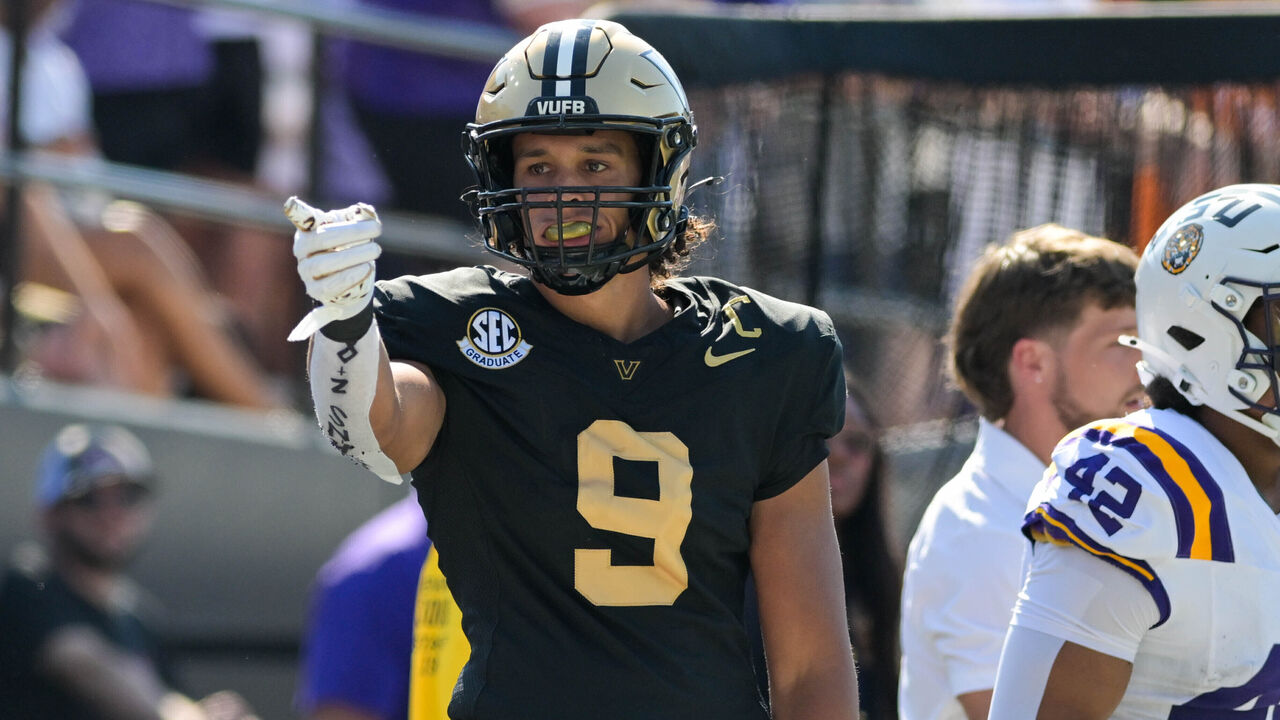
Stowers is the ultimate tweener. He's officially listed as a tight end, and perhaps that's where he stays in the NFL. But he has a long way to go as a blocker before he ever contributes in any sort of traditional sense. The receiver upside is the true selling point here. As we saw at the combine, he's one of the more explosive athletes you'll find at tight end.
Stowers set all-time position records with a 45.5-inch vertical and an 11-foot, 3-inch broad jump. While he'll need to make better use of his athleticism at the top of routes and further develop his play strength to win through contact in contested situations, his catch radius is outstanding. He's got a little bit of wiggle after the catch, too. Stowers has big-time potential as a pass-game specialist if he lands with a coaching staff that can put him in positions to do what he does best.
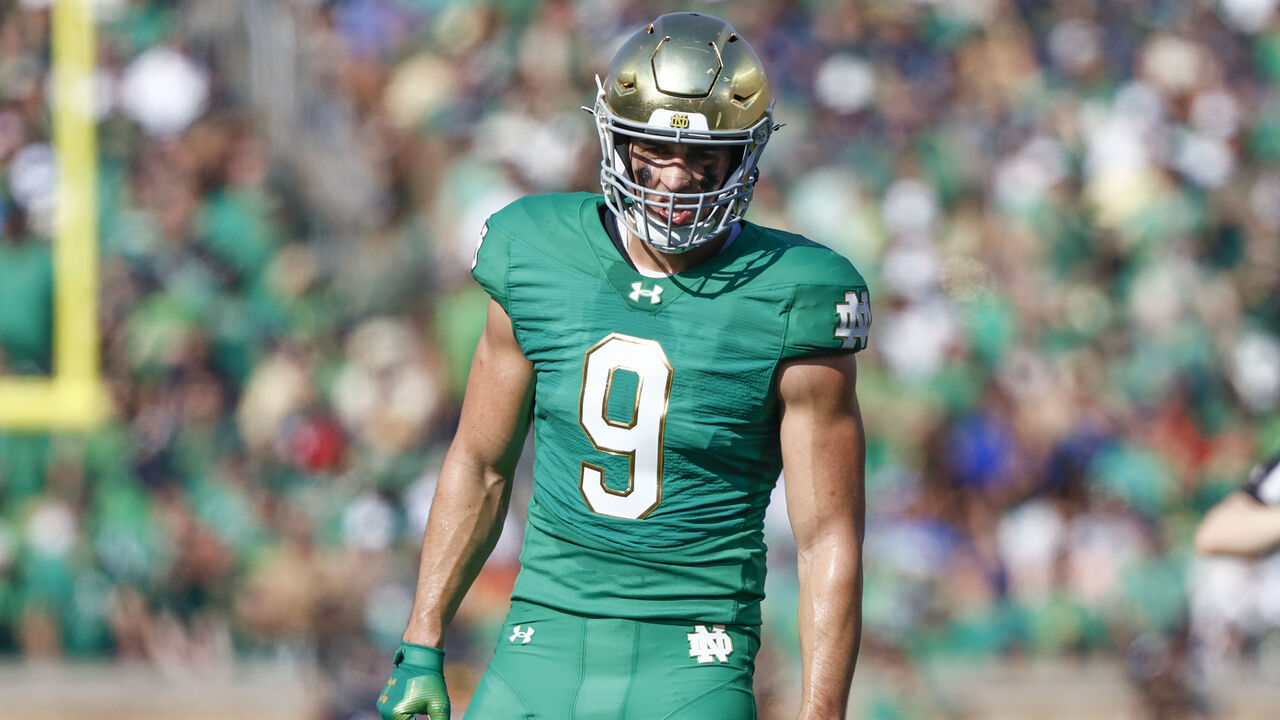
Skeptics of Raridon might point out that he didn't have any meaningful impact before a 482-yard breakout in 2025. And even then, he was still held without a touchdown. It's not exactly the production profile of a highly touted prospect. With that in mind, his next team may have to be patient. But the skill set Raridon showed in his final season at Notre Dame screams NFL-caliber tight end.
He's an impressive athlete who can threaten the defense vertically and win over smaller defenders when the ball is in the air. His explosiveness and physicality also create opportunities for consistent yards after the catch. Crucially, the clear flashes of receiver upside are only one part of his game. Raridon's ability to contribute to a rushing attack makes him a natural fit for an in-line role at the next level. He may have to add size to his frame to find the same blocking success he had in college, and he'll have to clean up the occasional concentration drop to realize his potential as a receiver. However, steady development in those areas could quickly produce a well-rounded starting tight end.
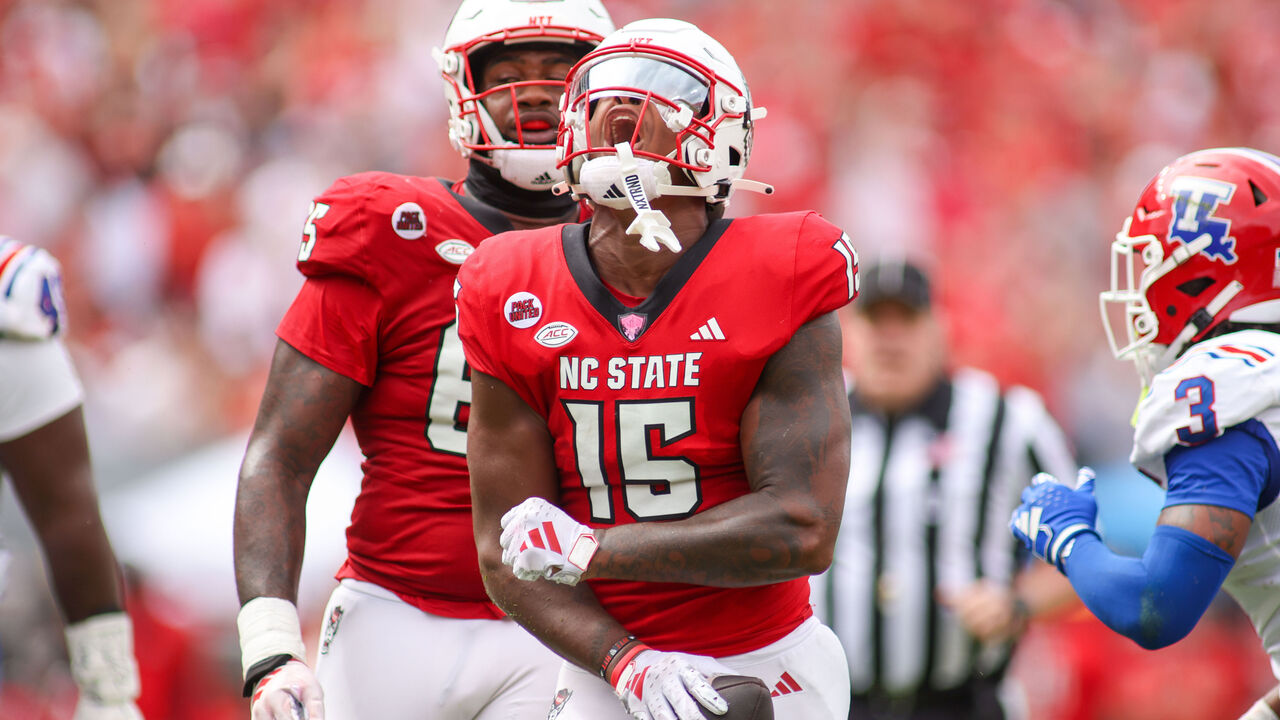
Joly is your classic "move" tight end. Though his below-average size and run-blocking difficulties would likely make him a poor fit for a more traditional role attached to the formation, modern offenses will find plenty of ways to maximize a skill set like his. The NC State product can create separation by setting up defenders with route nuance, making him a potential asset for innovative play-callers.
He also shows good awareness to find soft spots in zone coverage and works to make himself available to his quarterback when a play breaks down. Possessing incredibly strong hands, Joly consistently rises to win over the top of defenders and has even shown flashes of being a playmaker after the catch. An incomplete athletic profile will give some evaluators pause, but the finer aspects of Joly's game should translate in the right role.
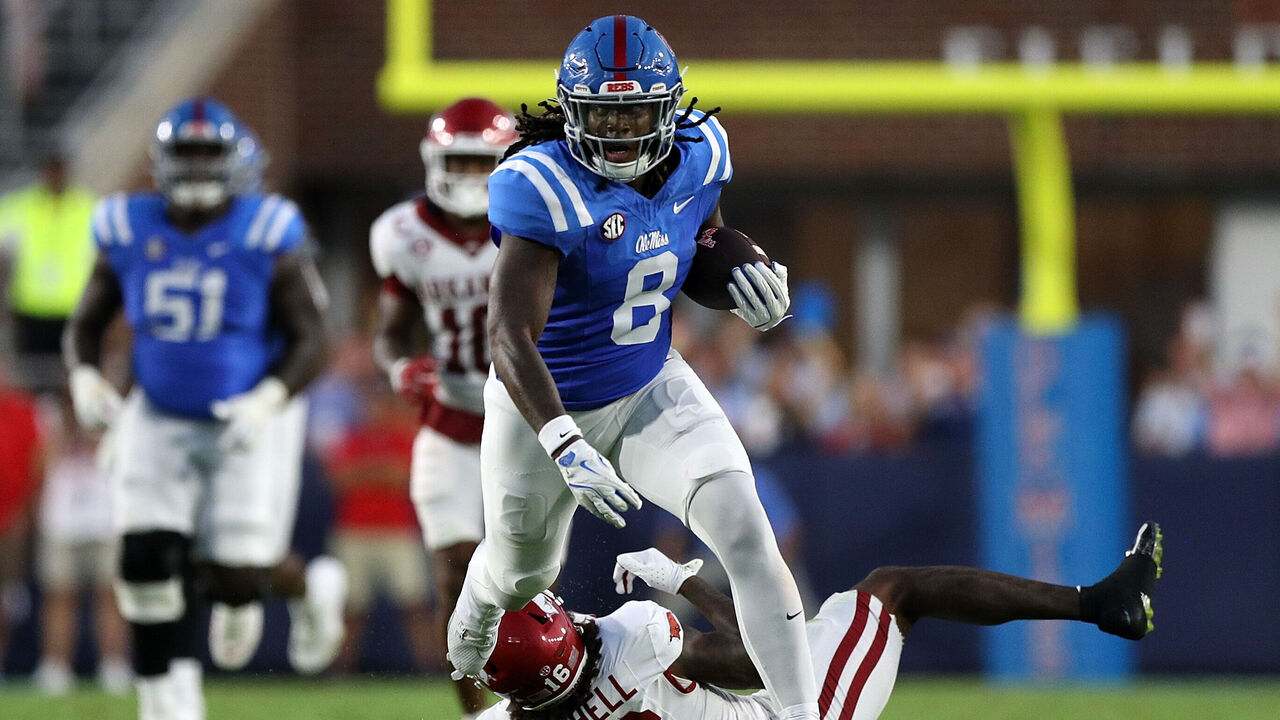
Wright is a weapon in the passing game. The dynamic tight end was deployed all over the formation at Ole Miss, seeing plenty of time both in-line and split out in the slot. He managed to create separation from any alignment, demonstrating a knack for setting up his routes and exploding out of breaks. His best work came with the ball in his hands, as a combination of explosiveness and field vision was key to his 394 yards after catch on the season, tops among all FBS tight ends.
But Wright will have to get stronger at the catch point to avoid any significant drop-offs against stickier coverage in the NFL, as he brought in just four of 15 (26.7%) contested targets in college. Additionally, run-blocking limitations may hinder any regular in-line duties. Still, coaches will always find a role for playmakers like this. Wright could impact an offense that gets him the ball in space.
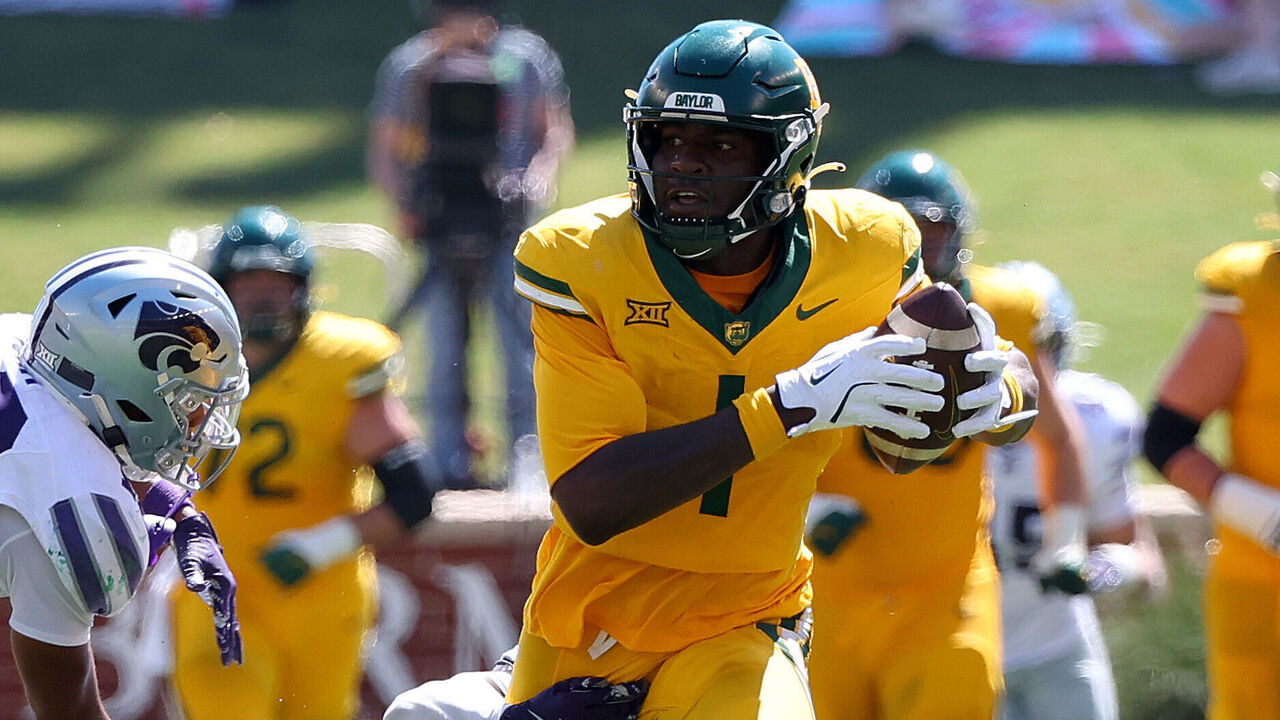
Trigg is a fascinating prospect. While he may not have the run-blocking skills to contribute in a traditional tight end role early in his pro career, teams will be eager to find a spot for a player with his upside as a receiver. The Baylor product has flashed truly dominant traits in the passing game, using an absurd catch radius, excellent tracking ability, and elite ball skills to come down with one highlight-reel grab after another. And the physicality he provides as a runner after the catch allows for plenty of extra yardage.
Trigg will need to continue developing as a route-runner if he's to provide the necessary receiver value as a tight end who lines up almost exclusively in the slot. Having shown explosiveness out of his breaks, the next step will be setting up his routes against the supremely athletic defensive backs he's certain to draw in coverage. In the meantime, having a superpower in contested-catch scenarios is a great place to start. Trigg should be considered a valuable matchup weapon capable of stretching the field and serving as a featured red-zone target.
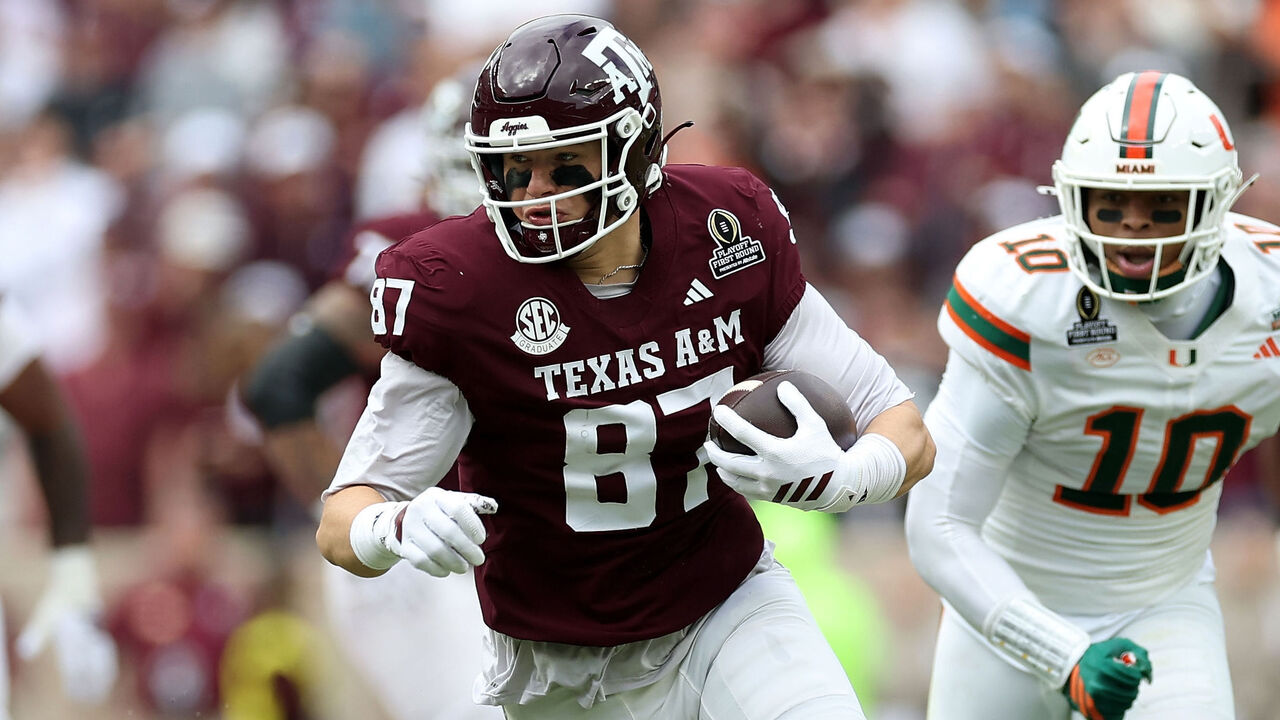
Boerkircher will be drafted, first and foremost, for his blocking ability. While he may not be the biggest tight end to fill that role, he'll be an extremely valuable contributor for an NFL run game. He's a physical player who generates good power off the line and does well climbing to the second level.
Although the Texas A&M product never had much production as a receiver in college and isn't a spectacular athlete, he has shown flashes that suggest he has untapped potential in his receiving game. He's strong at the catch point, more nimble than you might expect at the top of the route, and his overall physicality shows up when he's got the ball in his hands. Boerkircher has a real chance to outplay his draft position.
Dan Wilkins is theScore's senior NFL writer.