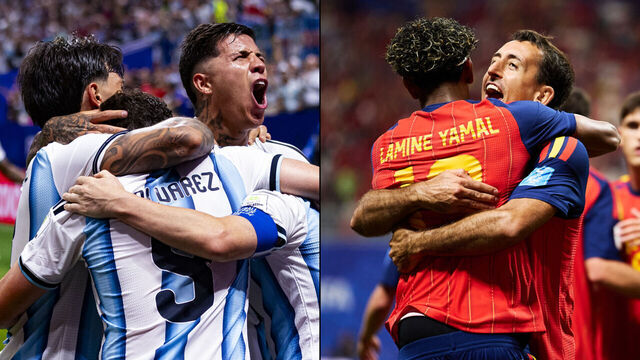
The 2026 World Cup final is set. Argentina will look to defend its title against reigning European champion Spain in New Jersey on Sunday. Can Lionel Messi break down a stout Spanish defense to retain the trophy, or will La Roja's backline end the tournament with yet another fantastic performance? Here's how the two teams stack up.
Goalkeeper
Neither Spain nor Argentina would swap goalkeepers if that were a possibility. Emiliano Martinez has been one of the most iconic figures for the Albiceleste since their 2021 Copa America title. The 33-year-old made a legendary save in extra time in the 2022 World Cup final and later helped Argentina win it all on penalties. Martinez hasn't been as solid at club level for Aston Villa recently, but when it comes to international soccer, he's accomplished everything.
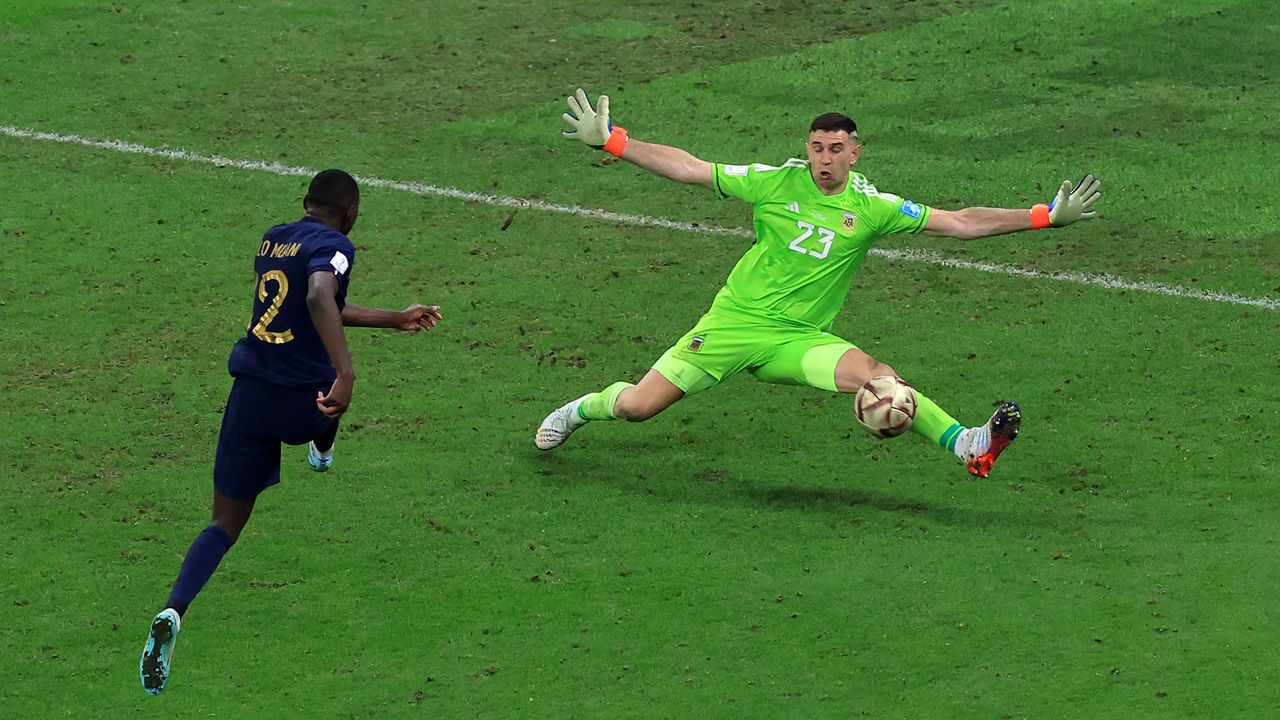
Unai Simon, meanwhile, has backstopped the tournament's strongest defense for Spain, and he's also been a key part of a previous title run at Euro 2024. Simon plays an important role with the ball at his feet, initiating La Roja's well-coordinated passing game from the back. It's the main reason he starts in goal over David Raya, who many would argue is the better shot-stopper of the two Spanish netminders.
Martinez has the advantage over Simon when it comes to penalties. He's a mastermind who utilizes both solid technique and mind games to unnerve penalty takers.
While Argentina has allowed at least a goal in every knockout-stage game so far, Spain has conceded just one all tournament. Simon is up to a World Cup record six clean sheets and is the favorite for the Golden Glove award.
It's incredibly tight. We're calling this one a wash.
Advantage: None
Defense
Spain's ability to win its defensive battles and not concede many clear chances has been on full display all tournament long. La Roja's playing style of not letting their rivals have the ball helps, of course, but the team's backline also stands out. Cucurella, Laporte, Cubarsi, and Porro are coming off their most impressive performance together after shutting down France's star-studded attack. Porro has even scored twice in the tournament, including the second goal in the 2-0 statement win over Les Bleus.
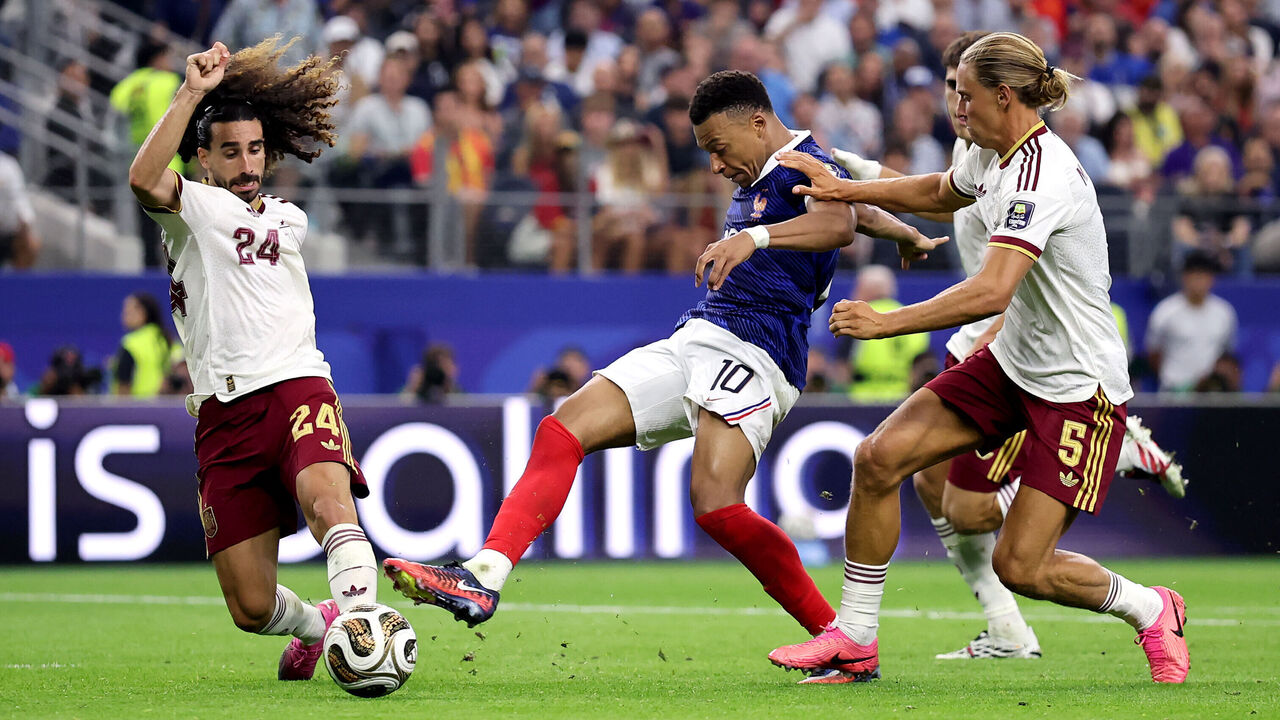
Argentina has more questions at the back. While center-backs Martinez and Romero have both scored in the knockout stage to help the Albiceleste pile up spectacular comebacks, they've also shown flaws, and can be susceptible to erratic moments defensively. Tagliafico and Molina haven't been as solid as Cucurella and Porro out wide; the full-back positions are arguably the weakest spots on the pitch for this Argentina side, which could be a serious problem against Lamine Yamal in Sunday's final.
Argentina isn't bad defensively by any means. Whatever you think of England's tactics in the semifinal, the fact remains that Argentina conceded absolutely nothing to the Three Lions after the game's opening goal. There's familiarity and cohesion, and this group has helped the Albiceleste find ways to win in crunch time.
Argentina actually ranks second in expected goals against per shot in the tournament, according to Opta.
But Spain ranks first. It's a tier above everyone else defensively right now, as evidenced by conceding just one goal in this summer's competition.
Advantage: Spain
Midfield
Argentina's midfield can take over matches with a combination of skill and aggression. Fernandez and Mac Allister both boast game-changing ability thanks to their effectiveness as box-to-box players. Fernandez scored a stunning equalizer against England in the semifinals. Mac Allister found the net in the quarterfinals and hit the post twice in the semis, including once in stoppage time during a sequence that eventually led to Argentina's winning goal moments later.
Argentina relies on experience in the deep midfield role, whether it starts Paredes, De Paul, or both. The veterans continue to do a solid job of patrolling the field and finding Messi as soon as they have ball control. The issue for the Albiceleste here is the lack of consistency; we've already seen Argentina's midfield get overrun in this tournament at times.
This is another case where Argentina is good, but Spain is great.
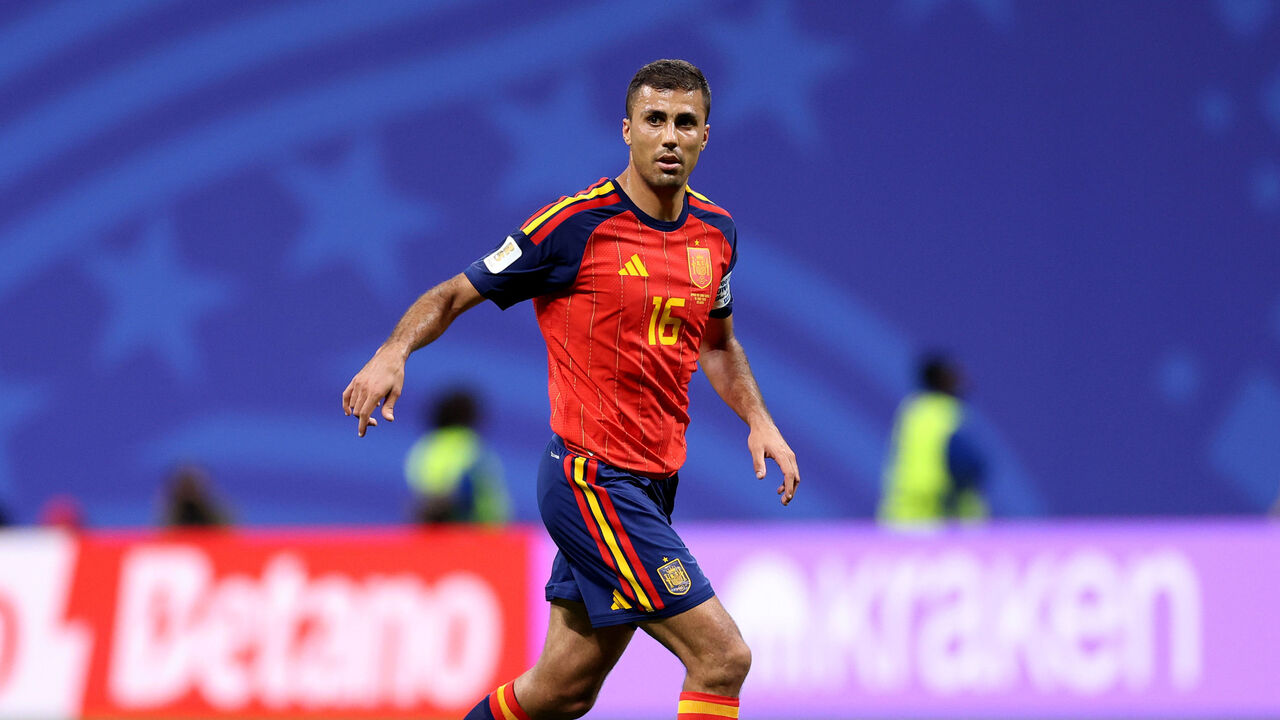
Rodri is the World Cup's best midfielder so far. The Manchester City maestro is the most important player in Spain's possession-based system; he leads the tournament in successful passes and line-breaking passes, has the most touches of any player in the competition, and ranks fifth in possessions won. He's always on the ball and dictates games from the base of midfield. The former Ballon d'Or winner is fully back to his imperious best.
And he's not alone. Rodri is surrounded by Fabian Ruiz's energy and Dani Olmo's spacial awareness, skill, and creativity. Spain has been bringing Pedri, one of the best technical midfielders in the world, off the bench in the last two matches. It's an incredible collection of riches.
From individual talent to chemistry to depth, it's hard to find a midfield better than La Roja's.
Advantage: Spain
Attack
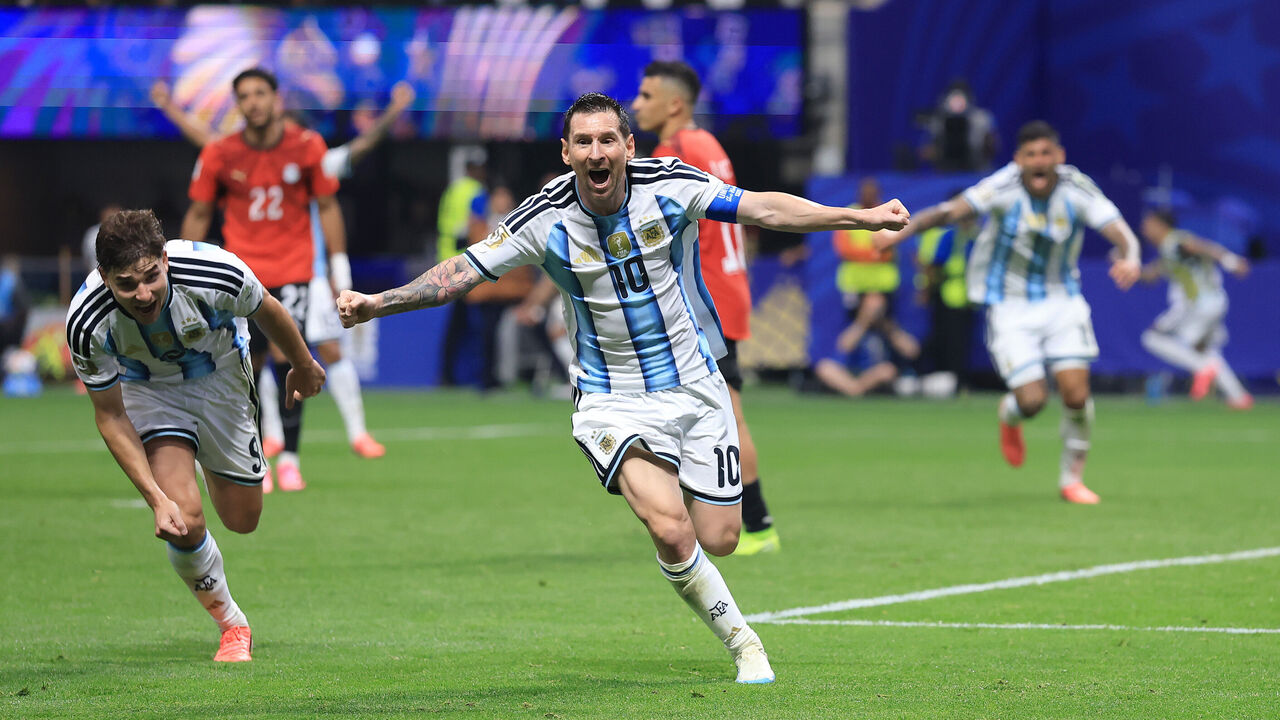
Messi is the heart and soul of Argentina. He naturally gets all the attention, but the Albiceleste's other options up front can't be overlooked.
Alvarez, Martinez, Simeone, Almada, and Gonzalez provide the three-time World Cup winner with the perfect combination of pace, skill, finish, and work rate to complement Messi and compensate for the 39-year-old's lack of defensive responsibilities. They run so he can walk, conserve his energy, and then spring to life to provide moments of match-winning magic.
Spain also rosters a standout group of attackers that has improved as the tournament progressed. La Roja didn't score against Cape Verde and claimed an uninspiring 1-0 win over Uruguay in the group stage. However, Luis de la Fuente's men have looked better in the knockout stage.
Oyarzabal has five goals in the tournament and Yamal is looking more comfortable after nursing a hamstring injury to start the World Cup. The semifinal against France, when he tormented Lucas Digne, was Yamal's best performance so far. Since becoming a starter in the group stage, Baena continues to play an important role with his creativity and versatility. Spain also has Williams - another standout with limitations due to injuries - and often uses Merino, a natural midfielder, as an auxiliary forward off the bench late in games; the Arsenal man has scored two late winning goals in the knockout stage.
If Yamal and Williams were firing on all cylinders as we saw at Euro 2024, this would've been a much different discussion. Even with the possibility of Yamal breaking out at any time in the World Cup final, Argentina has more momentum up front. We've seen Spain underperform offensively this summer. Argentina, meanwhile, has scored at least two goals in each game.
Messi leads the tournament with eight tallies. He's also first in chances created and second in assists. But it's not just him - Alvarez scored an absolute beauty in the quarterfinals and Martinez just netted the Albiceleste's game-winner in the semifinal for his third goal of the tournament.
Advantage: Argentina
Manager
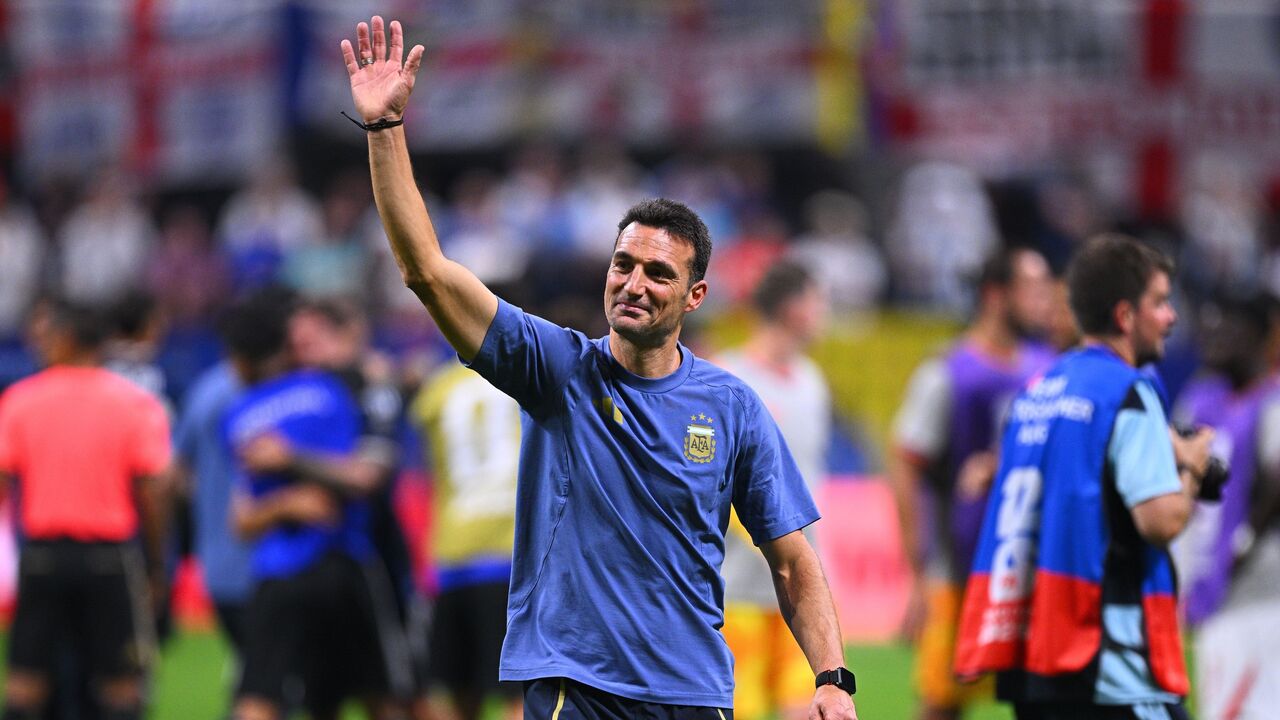
This is a fascinating battle - and the hardest one to pick in this exercise. De la Fuente and Lionel Scaloni are both established winners who have full control of their teams. They've also made adjustments throughout the tournament that have been key for the two World Cup finalists.
De la Fuente's Spain is the most organized and well-structured side at the World Cup when it comes to tactics, often showing the kind of cohesion that you'd more regularly associate with a club team that's spent months together on the training ground. La Roja's possession-based football has been spectacular, helping the team prevail on offense and defense.
Argentina has more versatility and variation under Scaloni, though. The 48-year-old also has more World Cup experience, including several nail-biting comebacks in elimination games and a magical title run in Qatar. The Albiceleste are the most mentally tough team in the tournament, and Scaloni's ability to stay calm amid the chaos has a lot to do with that.
Advantage: Argentina
Final result
It doesn't get any tighter than this, with the teams splitting the categories.
La Roja ran away with the positional battles in defense and midfield, but having Messi up front was a difference-maker for Argentina. It'll be fascinating to see how De la Fuente's side tries to stop the Albiceleste's prolific attack and what Scaloni has planned to surprise a nearly-unbreakable opponent.