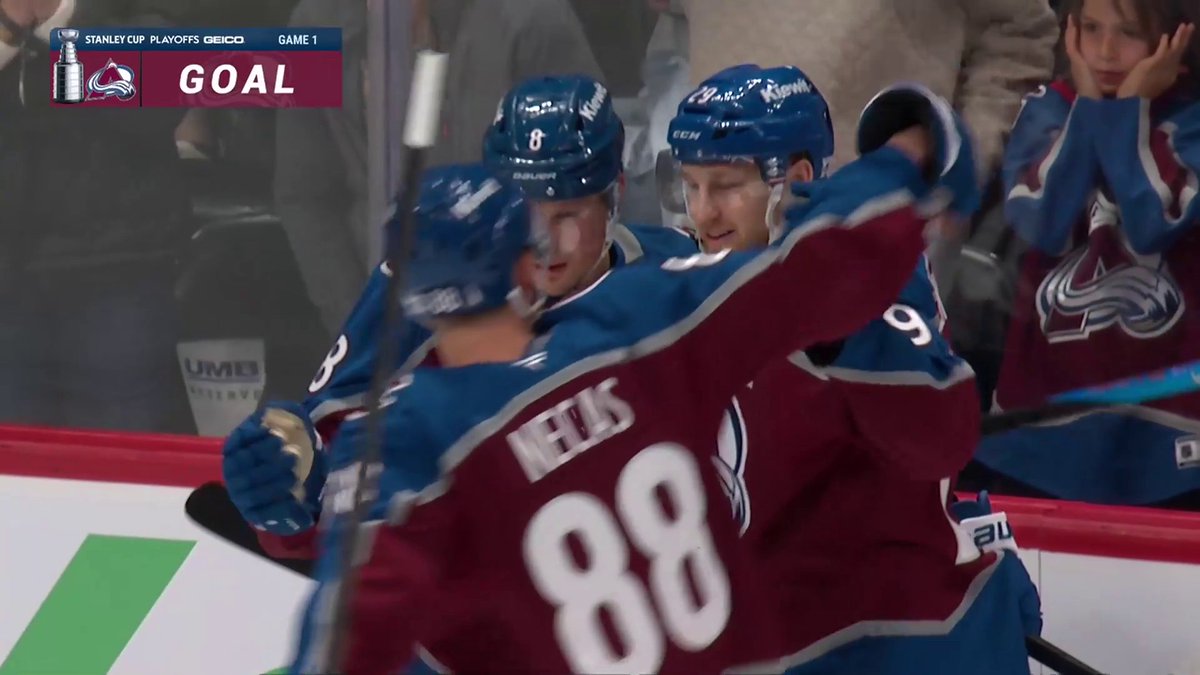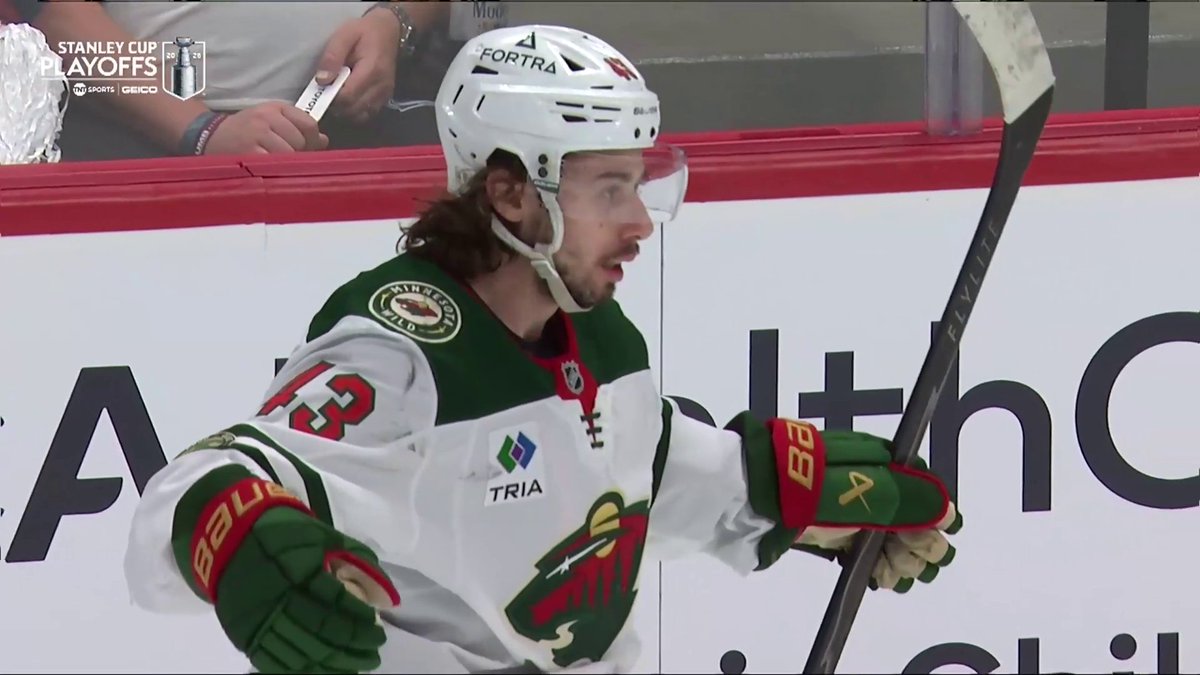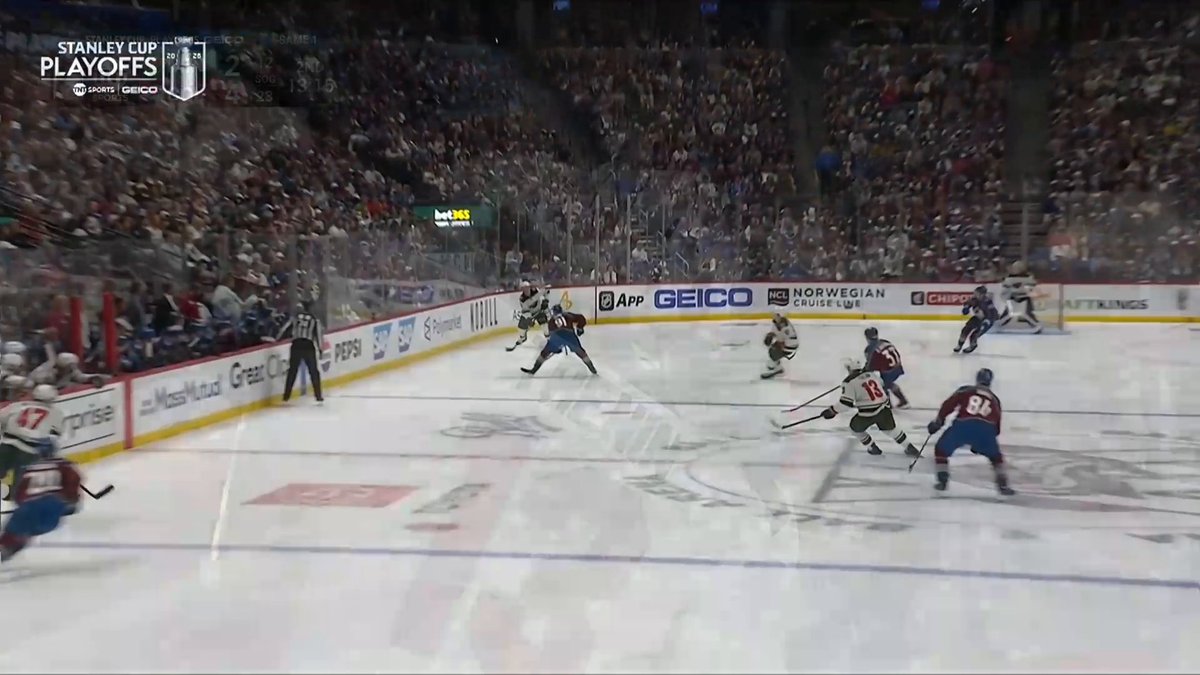
When the puck kicked off the stanchion to the front of the net, it had to go to Patrick Kane. It always goes to Patrick Kane. From there it was a deft pull to the backhand and a tuck to the shelf, and another notch was added to his total of playoff OT winners, which now sits at five.
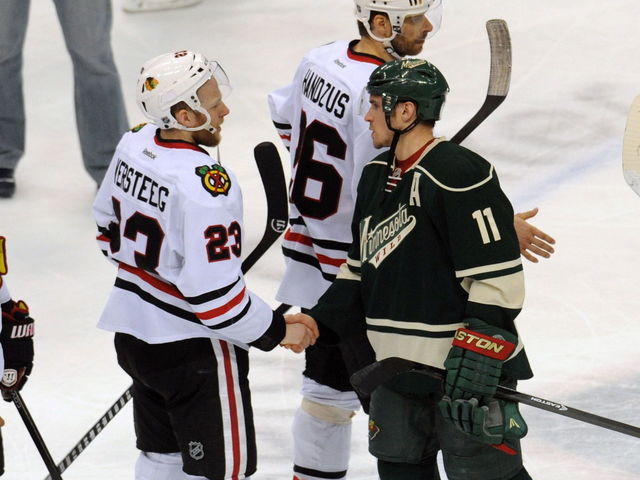
Since the Hawks missed the playoffs during his rookie year (2007-08), he’s gone on to take part in 15 handshake lines, parading one-by-by down the opposing team on the winning side 12 times. At only 25, he’s a wily veteran at glad-handing.
In my own career I went through a similar total between junior and the minors, and think I picked up a pretty good feel for the etiquette involved.
***
The hierarchy
When Kane went down Minnesota's line he singled out two players (outside his closer friends he’d be talking to after the game). He told breakout rookie Erik Haula the obvious - “you’re fast” - and stopped smaller, slightly-younger defensman Jared Spurgeon and gave him high praise: “You're a hell of a player buddy, you're gonna be sick in this league, keep it going.”
You can check that out here (their chat is 20 seconds in):
That’s a pretty awesome review to get from a seven-year NHL vet with two Stanley Cups, an Olympic medal, and multiple all-star selections, even if he is only a year older than you.
But if those words come out of the mouth of someone with a different resume, it’s a big suspicious. “Wait, do you think you’re currently better than me? Who are you, again?”
You can give specific praise when you’re accomplished. You can give advice if you’re older (if say, Teemu Selanne is talking, you’re listening). But for most players, you’re best to keep in nondescript.
Good series. Great battle. Nice work. Kiss my ass. Kiss his ass. Kiss your ass. Happy Hanukkah.
Relationships
Hockey is a small community; chances are you will know someone on the opposing team. Whether it be from junior or college, a training camp, a summer camp, your home town, another NHL team, a minor league team, WHATEVER: you will know someone - more likely, a lot of someones - and probably like them a lot.
The problem is one of you just lost, and one of you is elated.
After a series, players talk more in the hallway than they do after regular season games. In the regular season it’s straightforward: one of you is probably hopping on a bus/plane to the next city, and coaches don’t love seeing their players fraternize at the rink all that much. Oh, you cared so much about that loss you felt like joking with your buddy 10 minutes after showering up?
But after a playoff series, guards come down all around. For one side it’s suddenly summer. The iteration of the team that just lost will look different next season. There’s nothing left to fight for. Meanwhile the other side has just accomplished a great thing, they have a short break ahead, and they're afforded some leeway.
So, in the handshake line, there’s no point in talking while emotions are at polar opposites and everyone is watching. That’s how you get the handshake, the nickname, the chest slap, and the assumed “talk later” between a guy like Kane and Ryan “Sutes” Suter.
Gotta love hockey nicknames.
Inter-series issues
A nice part of the handshake line is how much dirty play is sloughed off for the shake. You acknowledge that everyone was just working their hardest, and all - sorry, almost all - is forgiven. If you’re involved in one of those really big incidents, it’s not uncommon to get an apology in the line.
People make mistakes, and it’s not a terrible time to look a guy in the eye and let him know you didn’t mean to run his neck into the boards quite that hard.
Is it ever okay to not shake hands?
We saw Martin Brodeur pass on shaking Sean Avery’s hand, and that generated some mixed reviews. I didn’t hate it.
While it’s assumed everyone should and will shake hands, it’s almost dishonest to greet a person you have zero respect for. If you can even muster a shred of respect, which most players can for most opponents, I say do it to avoid the scene. Sometimes, people just can’t.
And finally,
Coaches
You lie to coaches. I don’t know why, but they’re the figurehead for the team, so there’s some odd obligation to give them a general review of their group, like you’re the Bobs in Office Space.
Maybe players are laying the groundwork for when the coaching carousel eventually finds them on the same bench, maybe they truly mean it, but almost everyone does it. “Great job Coach, team has a bright future," etc.
***
Hockey fans hold the handshake up as one of the games greatest traditions, and I think that’s justified. If it really is the community it’s purported to be, and so many players end up wearing the same sweater at some point in their career, it’s nice to acknowledge to one another that we’re all in this together, and that we appreciate the work our opponents put in.