Crashing back down to earth after a brief stretch of promise, the Detroit Lions once again find themselves among the NFL's worst teams.
Following a disappointing 1-7 start, ownership opted for a mass organizational overhaul Thursday, dismissing both general manager Martin Mayhew and president Tom Lewand.
How did the Lions get here? The answer lies in a series of poor personnel moves that have gradually compounded to handcuff the team.
Hiring Jim Caldwell
The Lions' struggles can't entirely be pinned on Caldwell and the rest of his staff.
After all, the veteran head coach was at the helm for a 2014 campaign where Detroit earned a postseason berth after posting an 11-5 record during the regular season.
It's always easier to evaluate coaching hires in hindsight, but this year's non-competitive showing week in, week out demonstrates why bringing Caldwell aboard was widely viewed as uninspiring in the first place.
Matthew Stafford, a former first-round quarterback who Caldwell was presumably brought in to develop, has only seemed to regress over the past two years.
With a new regime on the way in, it appears likely both could be headed elsewhere at season's end.
Drafting Eric Ebron
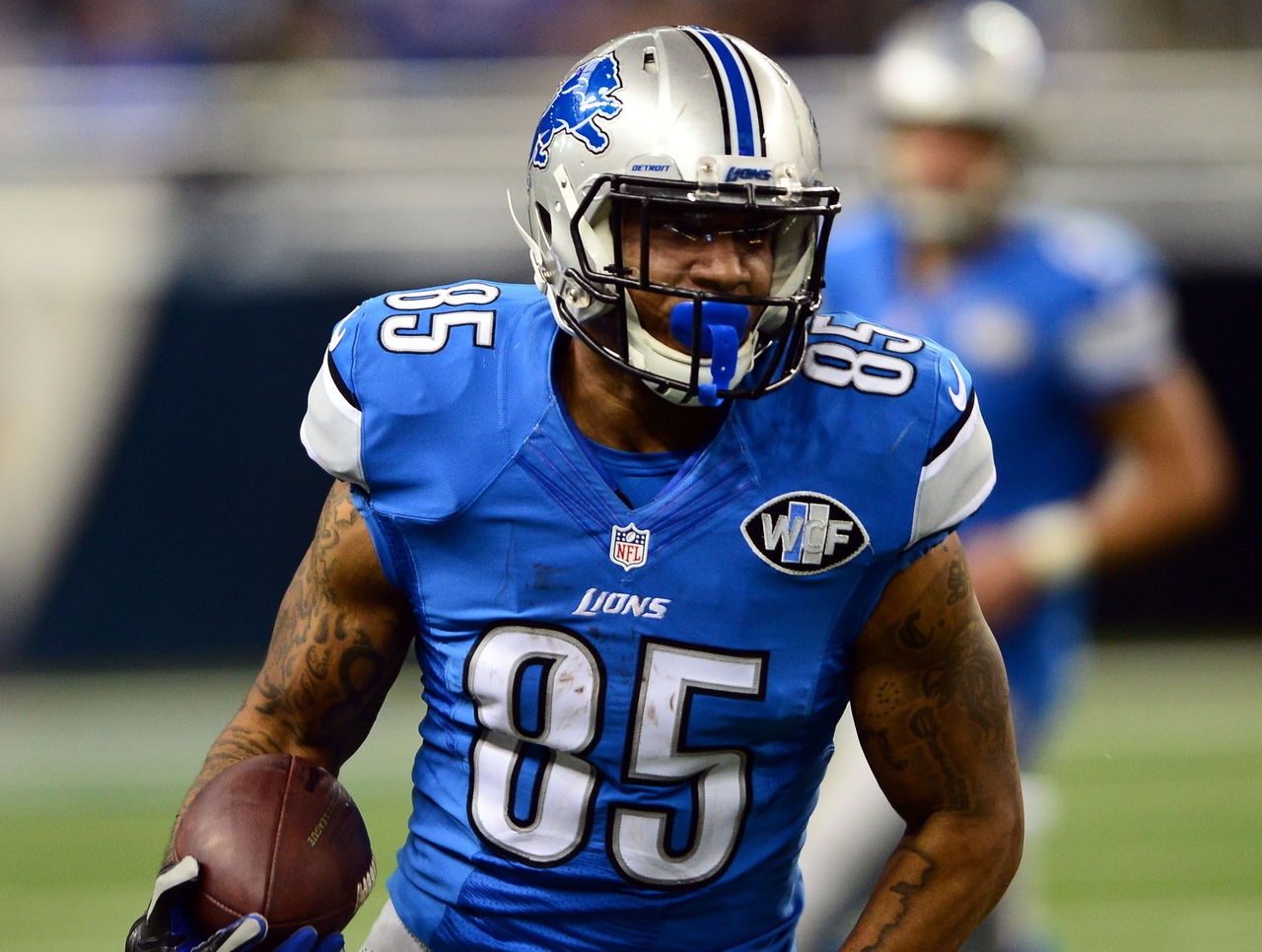
With a number of needs throughout the roster, and in a 2014 draft filled with top talent, the Lions felt as though their best option with the 10th overall pick was to address the tight end position.
Ebron may well prove worthy of a first-round selection in the coming seasons, and he's currently in the midst of a productive year, but tight ends will rarely present teams with the value they should be seeking in a premium draft slot.
Among the impact players to come off the board within the next few picks that year were Taylor Lewan, Odell Beckham Jr., Aaron Donald, Ryan Shazier, Zack Martin, and C.J. Mosley.
Donald, of course, wouldn't have made sense at the time, but the pick certainly could have allowed the Lions to move either Ndamukong Suh or Nick Fairley in a trade before inevitably losing both to free agency the following offseason.
Suh's Contract
Detroit found itself in need of some additional salary cap space during both the 2012 and 2013 offseasons, and part of the solution in both instances was to rework Suh's contract.
The consecutive restructures, where base salaries were converted to prorated signing bonuses, saw Suh's cap hit in the final year of his contract grow to an astronomical $22.4 million.
While management was able to field a respectable roster despite the limitations, the 20 percent pay raise required to use the franchise tag made it impossible for the Lions to justify applying the one-year tender before Suh hit the free-agent market last year.
Had the salary cap been managed more appropriately during Mayhew's tenure, one of the NFL's premier players would still be in a Lions uniform.
It goes without saying that his presence would have helped Detroit's defense avoid the drop-off it's experienced this year, going from the league's second-ranked unit to No. 27 in just one season.