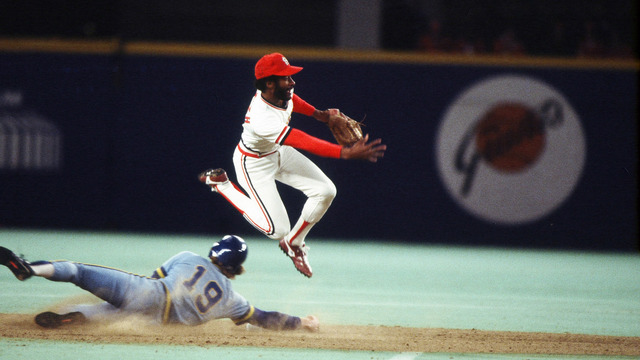
Defensive strategies in baseball - and the metrics that measure their success - continue to evolve. Legendary St. Louis Cardinals shortstop and 13-time Gold Glove winner Ozzie Smith is no fan of one particular trend in that evolution.
"The shift has never made sense to me," Smith told Baseball Prospectus' Matthew Trueblood. "Because if I'm a pitcher, now I know I can't make a mistake. I know that I have to pitch to the defense, because if a hitter even mis-hits a ball the other way, that's a free single. So it doesn't inspire confidence the same way that a great defensive infield can."
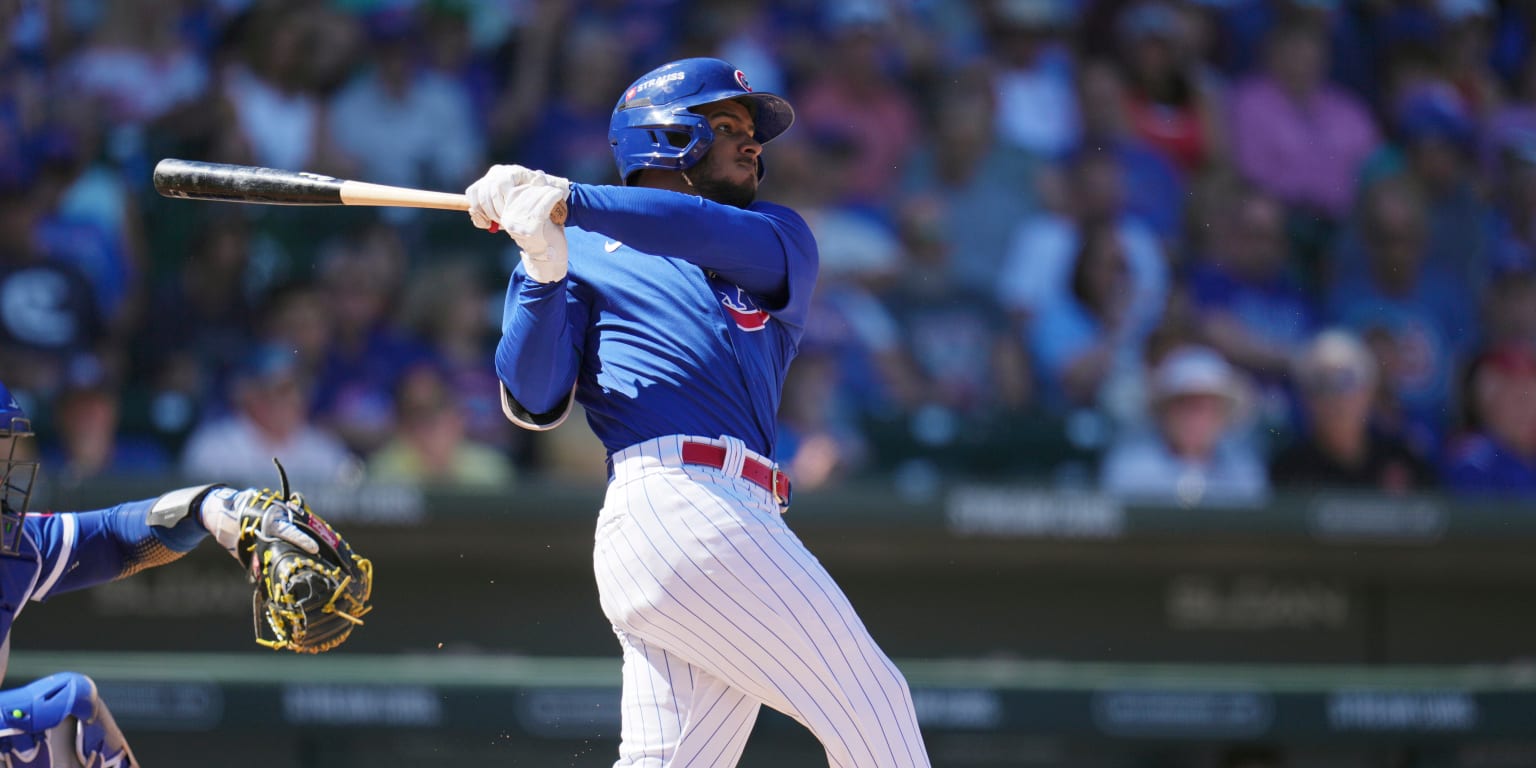
The traditional infield positional placement of Smith's era (he retired after the 1996 season) is no longer a constant depending on the hitter's pull tendencies. Though an infield shift often leaves a massive hole on the hitter's opposite side, it works with regularity.
From 2011 to mid-2016, use of the tactic increased 1,223 percent throughout baseball, according to FiveThirtyEight's Rob Arthur and Ben Lindbergh, and its ubiquity continues to grow.
Smith is certainly not the first to share his objections to the shift. He didn't limit his criticism to the additional pressure it puts on the pitcher, but also blamed hitters for their inability to take advantage.
"It's really a lack of commitment on the part of the offensive player," he said. "It's really a failure to work enough at using the whole field, which is what we were always taught. And that's the power pitcher’s toughest out, the contact hitter who he knows can fight the ball off, use the opposite field, and then that eliminates the shift."
Through the early going of the 2017 season, only 11 qualified hitters have hit the ball to the opposite field at a 40 percent clip or better, while 106 batters reached that same threshold when pulling the ball. Over the course of the entire 2016 season, not a single qualified batter managed to hit 40 percent or more of batted balls to the opposite field.
Shift data is still limited in its availability, but theoretically Smith is correct in that the best way to combat the defensive alignment is to hit it the other way. Until players can succeed against the shift with more consistency, though, it isn't going anywhere.