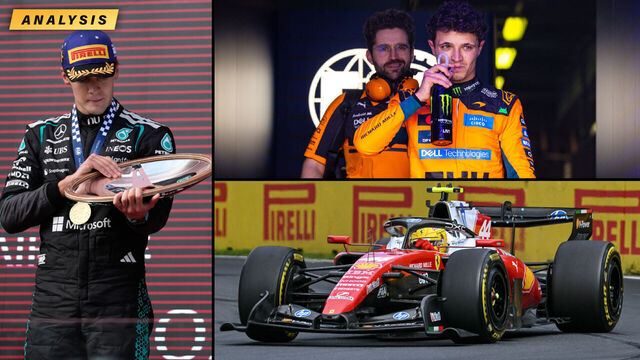
With the first race of the 2026 season in Australia completed, theScore's lead Formula 1 writer, Daniel Valente, breaks down all the biggest impressions about the new generation of cars.
Racing was enjoyable, even if it was artificial
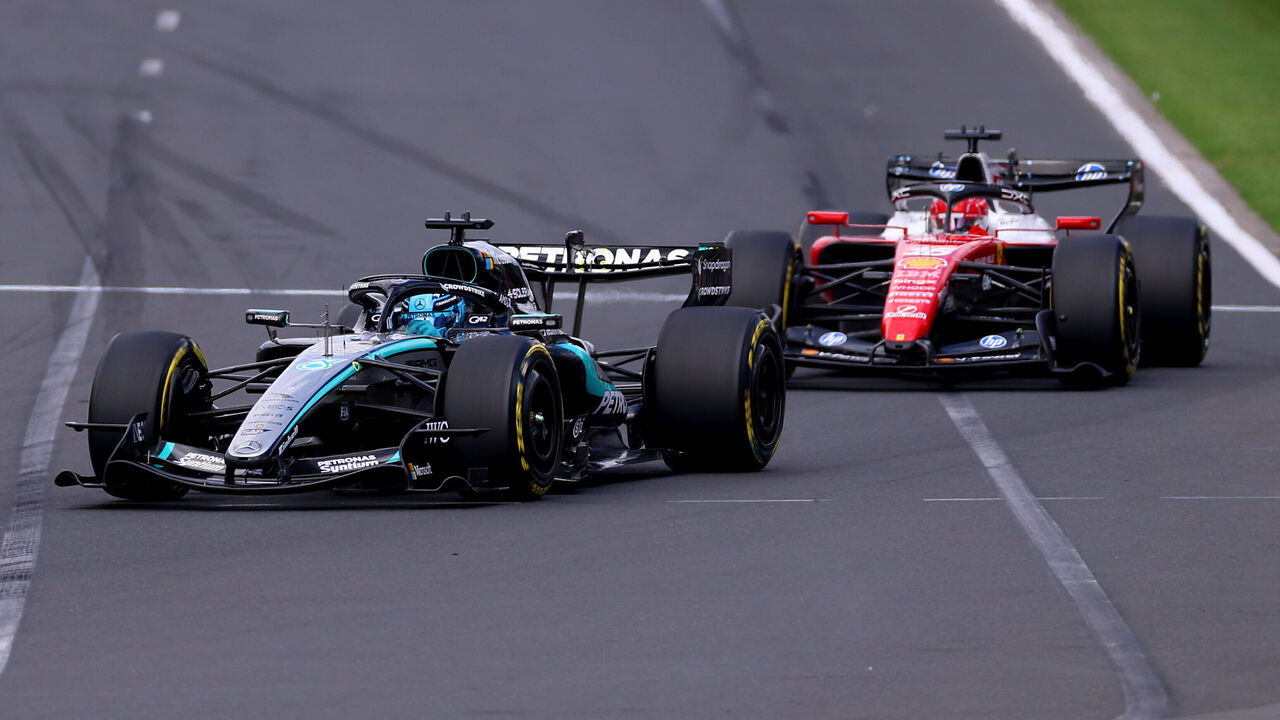
Although the new cars can be disappointing to watch at times, they seem to race pretty well - even if that excitement sometimes feels artificial.
The biggest fundamental flaw with this generation of cars is their heavy reliance on electrical energy - a factor that ironically contributed to the action-packed, chaotic racing in Australia. Cars can't pull away from each other if their batteries deplete too quickly. Using overtake mode for an energy boost could enable a pass on one lap, but it leaves drivers vulnerable on the next. Four straight modes, where active aerodynamics come into play, prevented drivers from pulling away on straights.
While this may not be the purist form of racing, does it matter if it's entertaining?
The Australian GP had a thrilling early scrap for the lead, with Charles Leclerc and George Russell's epic back-and-forth tussle. In total, the race featured 120 overtakes - a giant increase from the 45 last year in Melbourne. The new engines' unreliability also led to multiple virtual safety cars, making strategy a major talking point.
A mighty, multi-lap battle! ⚔️
— Formula 1 (@F1) March 8, 2026
The lead changed hands several times in the early stages between Charles Leclerc and George Russell in Melbourne 🔄#F1 #AusGP pic.twitter.com/gZRRMdD7gP
The plan for hiding the limitations of these regulations is to flood the zone with as much chaos as possible. The tactic worked like a charm this weekend, as there were enough distractions to keep viewers from noticing some of the complaints over the new rules. Still, how long can the sport keep the illusion going? That might be a conversation for another day.
However, F1 managed to sidestep far worse outcomes. A dud in Australia would've been disastrous for a series already facing heavy criticism over the new regulations. Instead, the race delivered a home run. At one point during the event, Leclerc compared the new energy modes to getting a mushroom in Mario Kart. But even if the action feels more like an arcade game than anything natural, the entertainment value was undeniable.
Mercedes more than just a strong power unit
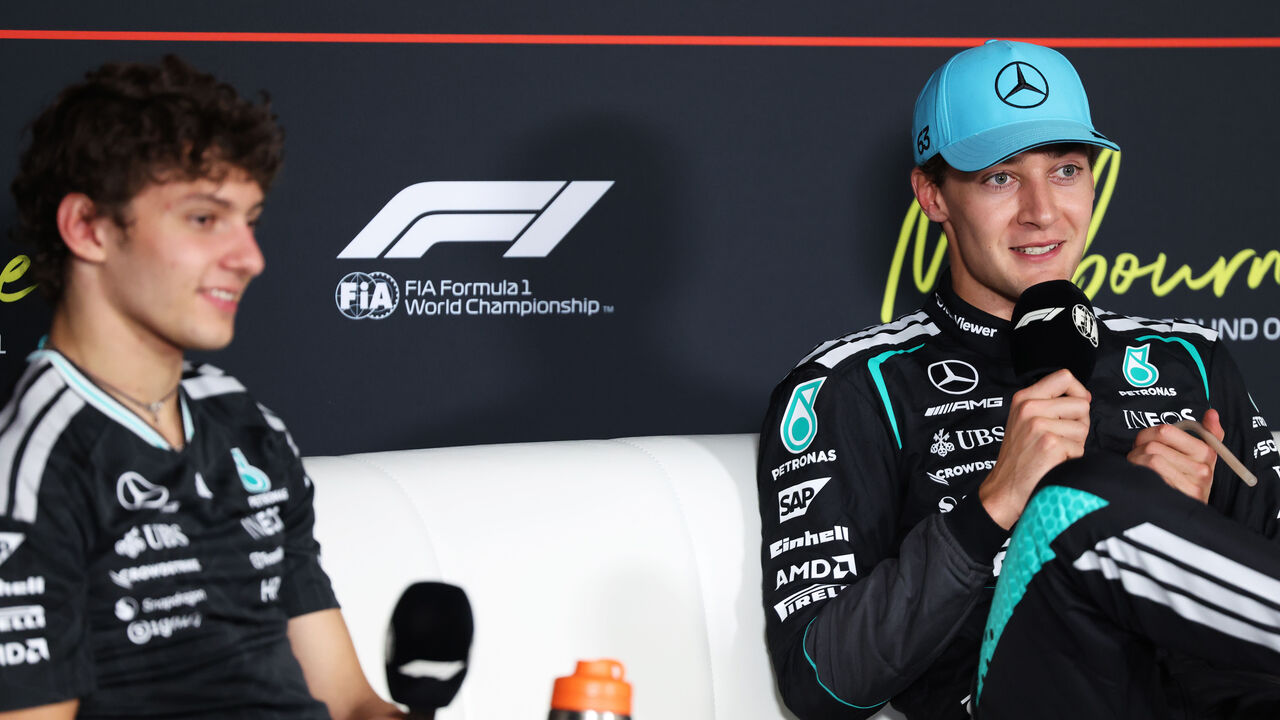
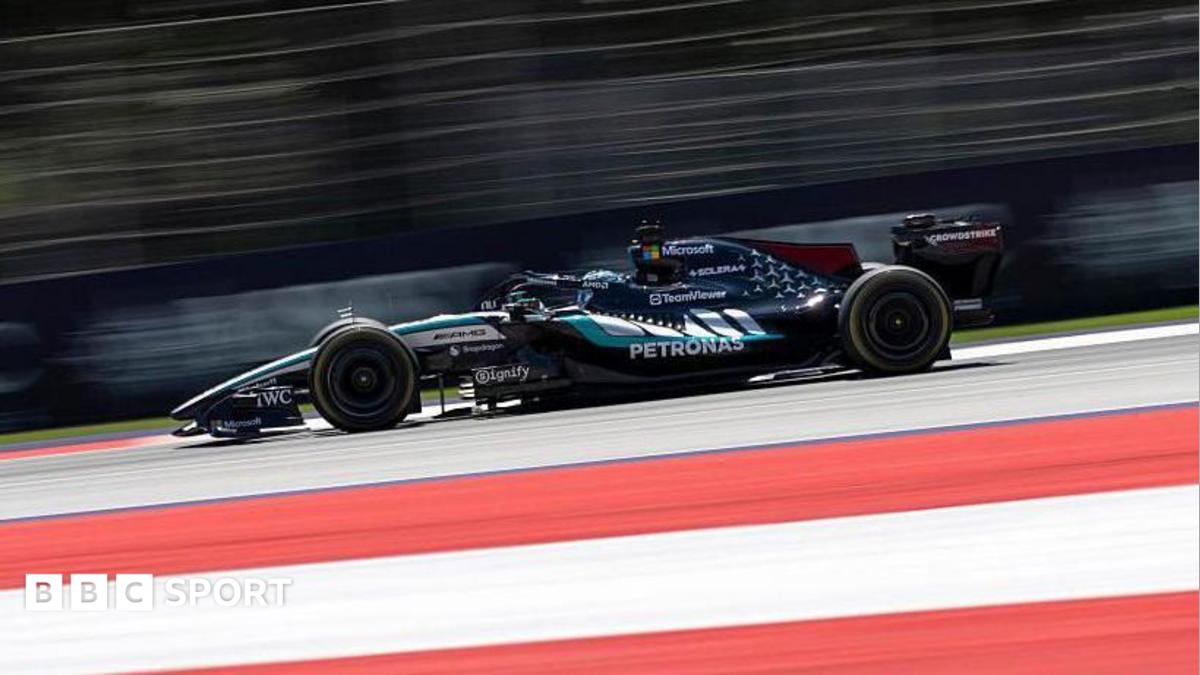
The paddock's worst-kept secret was confirmed this weekend. Much to the surprise of almost no one, Mercedes delivered a car that's clearly the class of the field with the W17. Russell and Kimi Antonelli turned a front-row lockout in qualifying into the team's first 1-2 finish since 2024. Although Ferrari made a push, Mercedes still secured the top two spots with relative ease.
Russell's pole lap was 0.785 seconds faster than the next closest team, and he held an impressive 0.960-second advantage over Lewis Hamilton in seventh after Q3. Despite battling Leclerc early, Russell also finished 15.5 seconds ahead of the leading Ferrari.
Mercedes' impressive power unit wasn't the only thing that caught my attention. The W17 was well-balanced and, most crucially, showed exceptional tire management. Even though Russell's hard tires were fitted 13 laps earlier than Leclerc's, he never looked in jeopardy of being caught during the second stint of the race. For all the talk about Mercedes' power unit, the chassis appears to be equally great.
Ferrari is back, for better and for worse
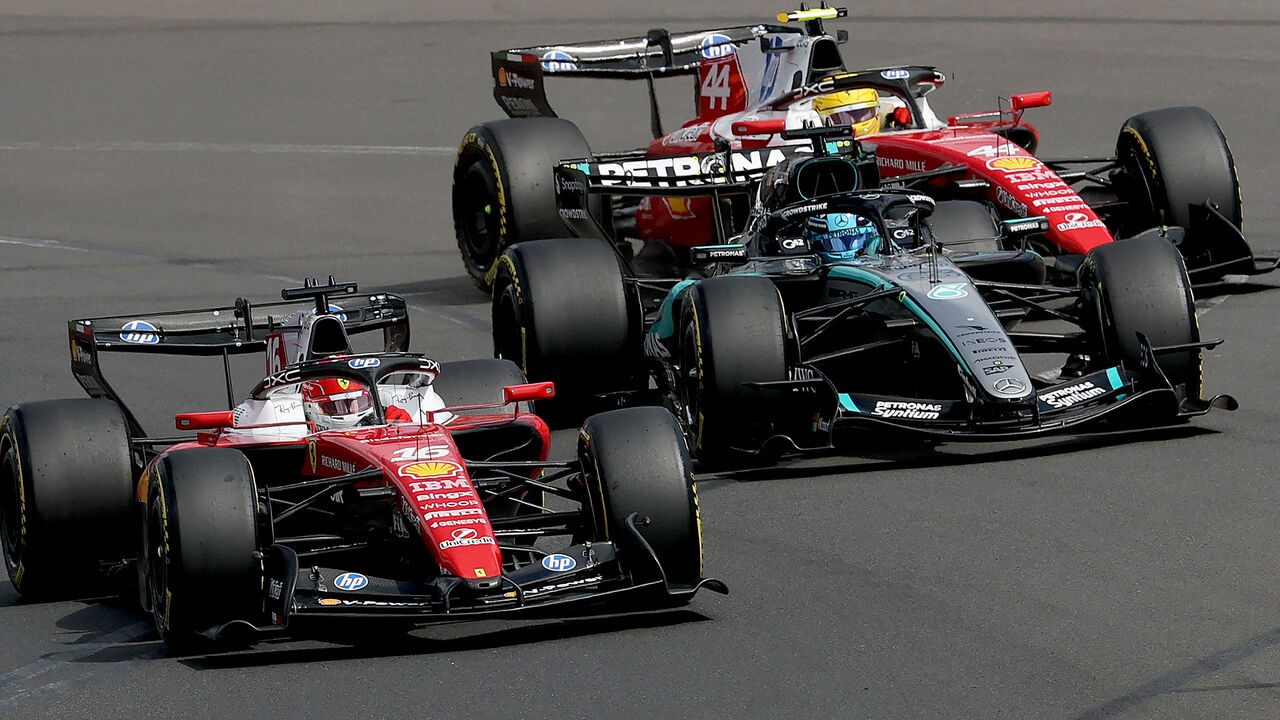
Ferrari is a lot like that old friend with whom you've shared some incredible memories but only see once in a while. But make no mistake: every time they come back around, it's guaranteed to be electric.
The Scuderia started the 2026 season on fire, fuelling the same optimism it gave off in 2022, when the team began that era of regulations fighting for wins. Yet the pit wall also revived similar anxieties about Ferrari's decision-making, as in 2022 and just about every year in between.
While Ferrari should reflect on why neither driver was pitted during an early virtual safety car period, speculation about missed opportunities shouldn't overshadow the fact that both drivers were fighting at the front again.
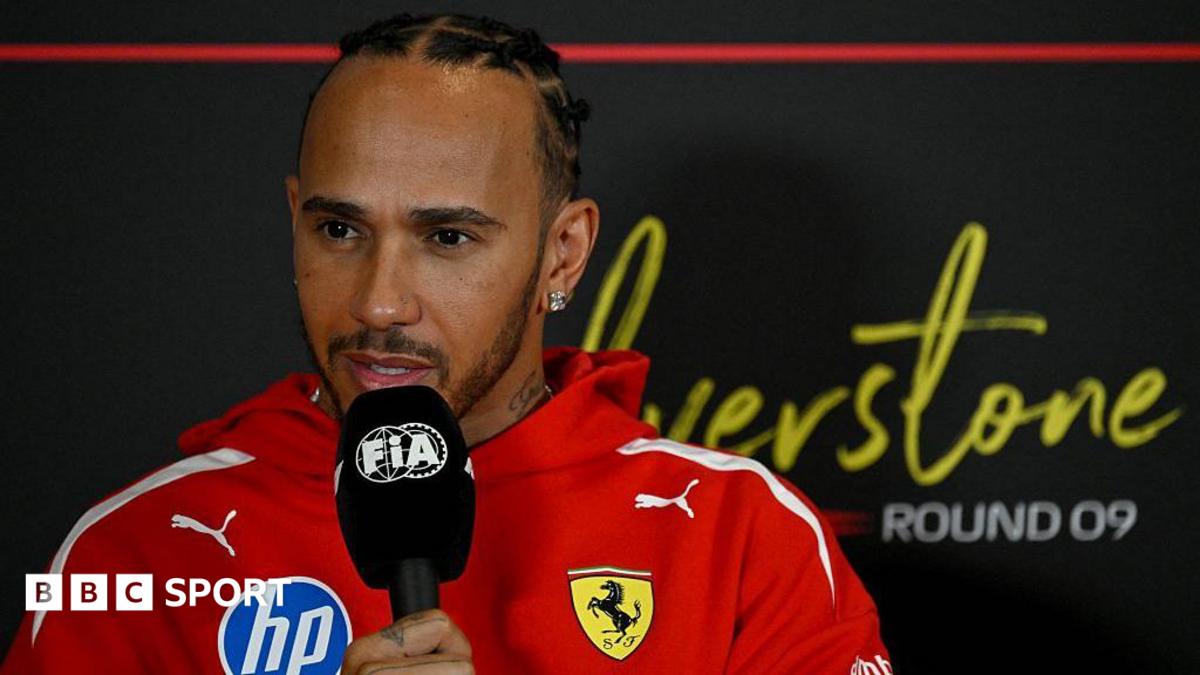
For the first time since his 2025 sprint win in China, Hamilton appeared fully comfortable in a Ferrari and not far off his teammate. Meanwhile, Leclerc appears poised to disrupt Mercedes' title hopes.
Australia shouldn't be a mirage. With the SF-26's lightning-quick starts and front-running pace, Ferrari is back in town to let the good times roll again.
McLaren has a lot of work to do
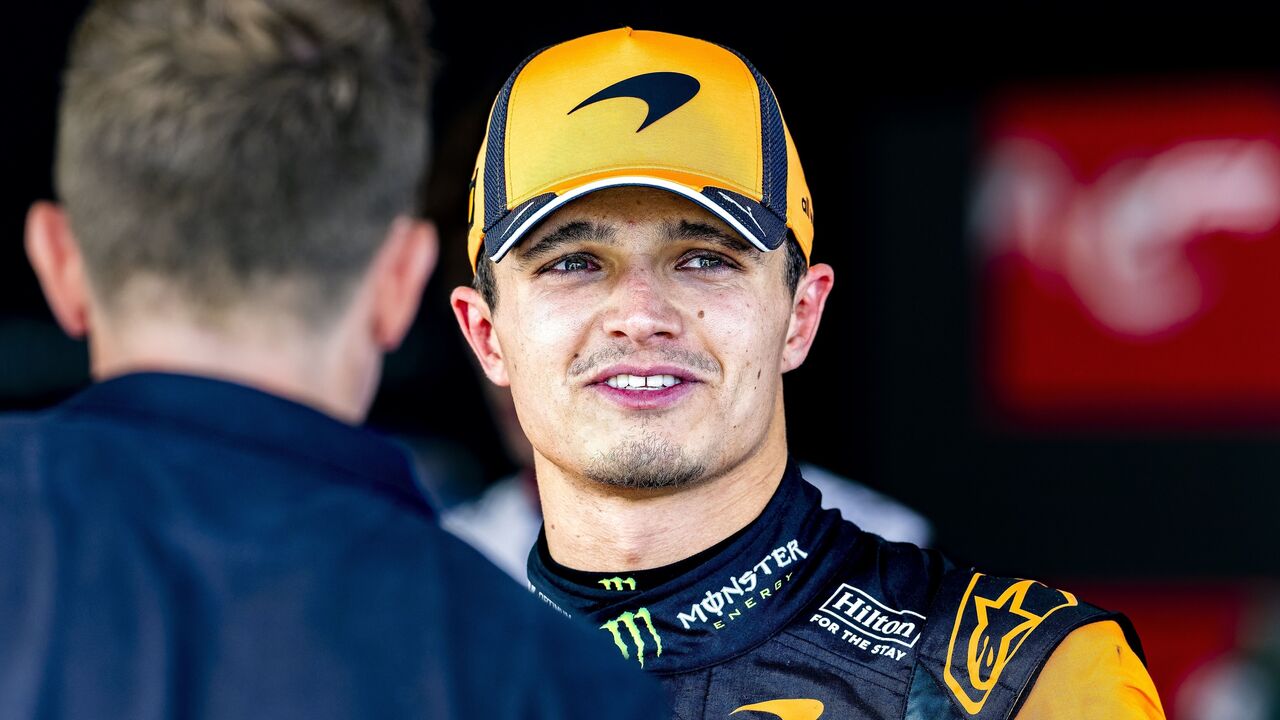
McLaren might want to start counting down its days as the reigning double champions if Australia is anything to go by. In a way, the team was lucky that Oscar Piastri's crash before the grand prix even began soaked up most of the attention, because the results were grim.
Reigning world champion Lando Norris finished fifth, 51 seconds adrift of the race winner and a tad over 35 seconds from Hamilton in fourth. Perhaps even more concerning, Norris finished only a few seconds ahead of Max Verstappen, who started the race in 20th.
The Papaya team is in no man's land at the moment. Though McLaren has historically produced a car that improves with further development, the world champions are now operating under different expectations and a different timeframe. If the opening race was an accurate indicator of the gaps in the pecking order, Norris' title reign will be brief.
Red Bull has future star power in Hadjar, Lindblad
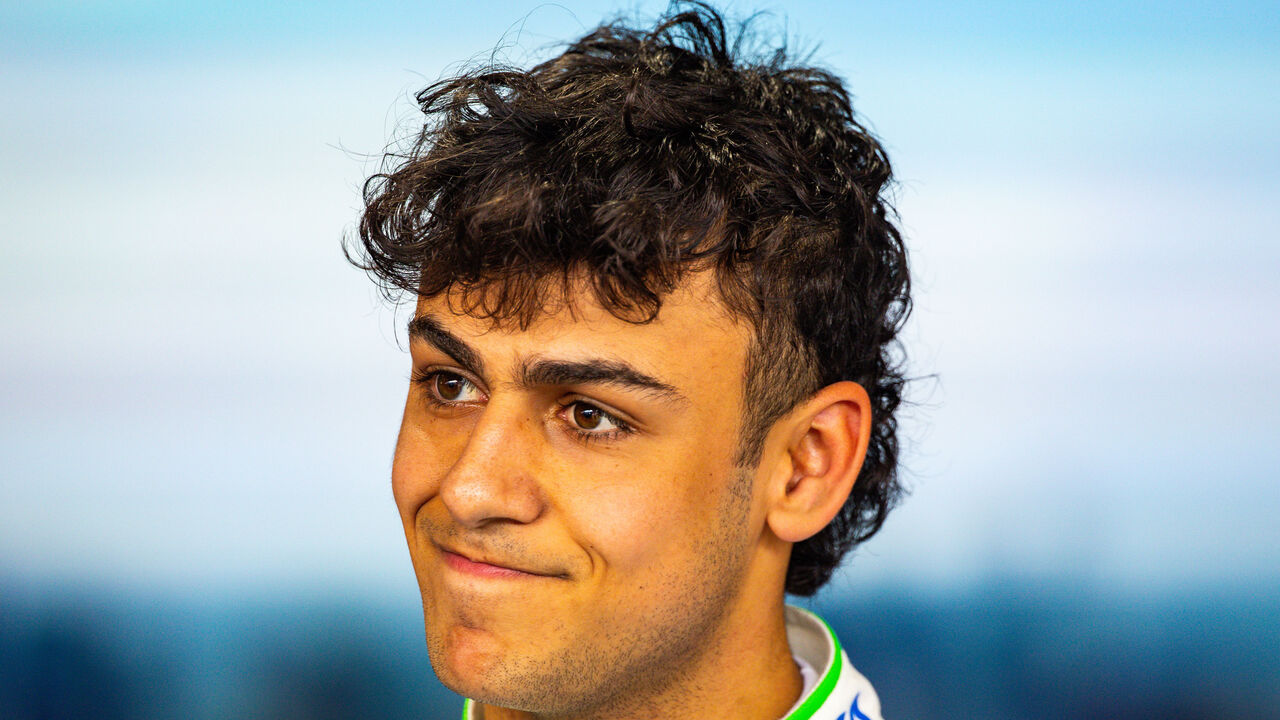
Three of the four Red Bull-controlled drivers made Q3 this weekend. The only one missing was its four-time world champion, who crashed into the barrier on his first push lap. Though Verstappen rebounded nicely from his disappointing qualifying, going from 20th to sixth in the race, it was the other Red Bull talent, like Arvid Lindblad and Isack Hadjar, who made the biggest impressions.
Lindblad had a debut weekend for the ages with Racing Bulls. Looking miles more composed than his age would suggest, the 18-year-old followed up his Q3 appearance by scoring points in his first-ever race, finishing eighth and becoming the third-youngest points scorer in F1 history.
What Hadjar did may have been even more spectacular, as he's the first Red Bull driver since Verstappen at the 2016 Spanish Grand Prix to reach Q3 in his team debut. Qualifying behind only Mercedes in third in that session, Hadjar was also the first of Verstappen's teammates to crack the top three in the shootout since Sergio Perez at Spa in 2024. However, the second-year driver's dream weekend ended cruelly when an engine issue forced him to retire.
With a changing of the guard that began in 2025, the new Red Bull system feels much better suited to up-and-coming talent. Let's not act shocked if we keep hearing about Lindblad and Hadjar this season.
Aston Martin-Honda partnership feels doomed
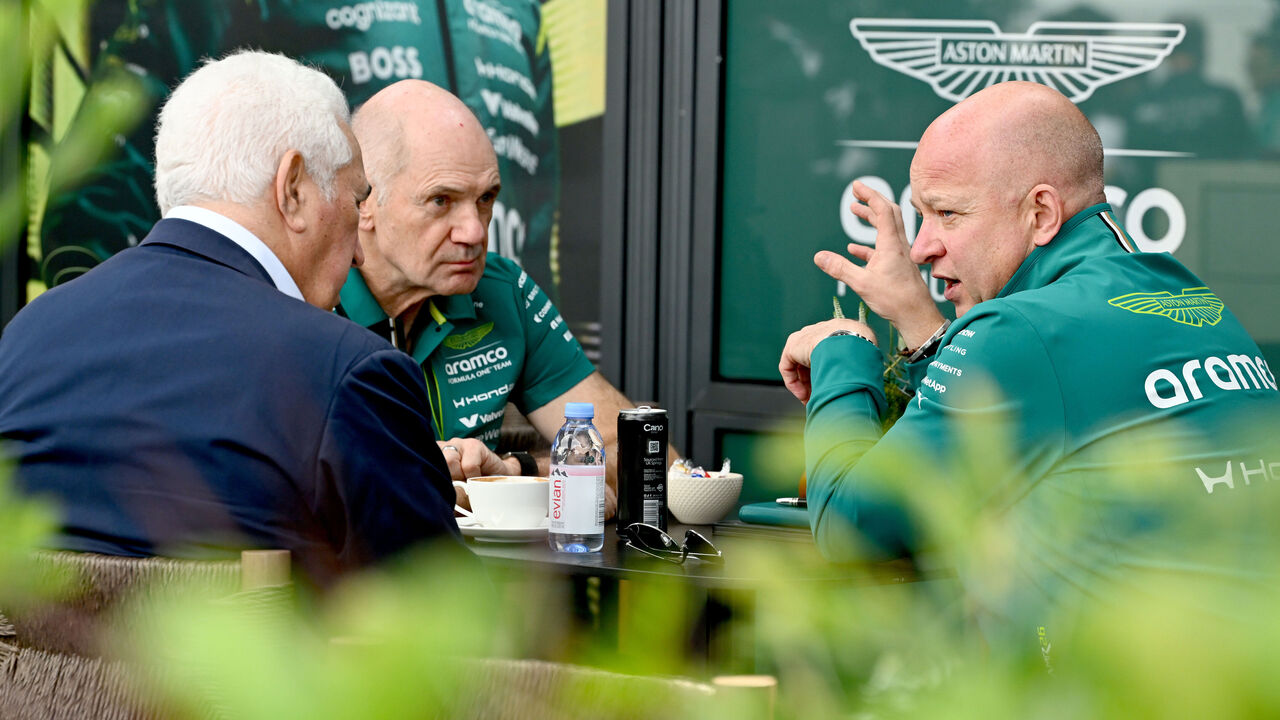
The Australian GP was the first race of the Aston Martin-Honda era, but it may ultimately be remembered as the first sign of the end of that partnership.
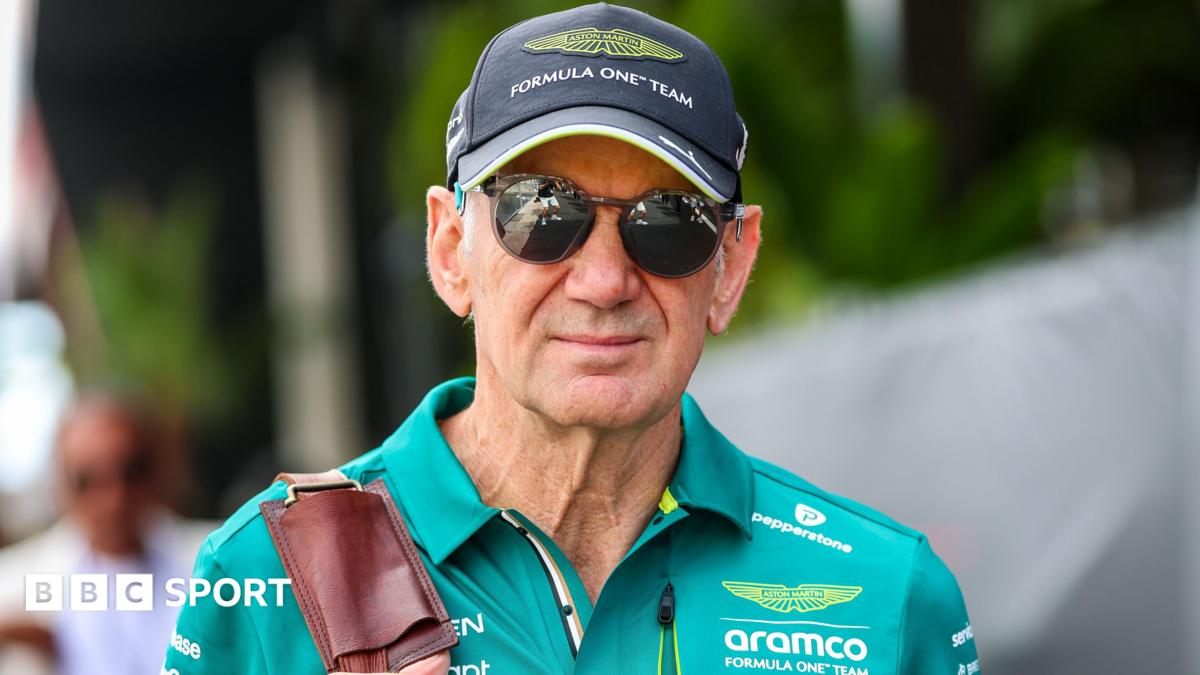
We can only hope Netflix captured the events that involved Aston Martin this weekend. In a baffling revelation, team principal Adrian Newey said it wasn't until a November 2025 trip to Japan that the outfit discovered that Honda's staff was full of members with no F1 experience.
That was followed by another bombshell when Newey cast doubt on whether the team could even participate in the race, revealing that vibrations from the power unit were so severe that Fernando Alonso and Lance Stroll were worried about permanent nerve damage. To make matters worse, Honda had only one battery remaining for Alonso and Stroll, despite not supplying any other teams.
That means Stroll finishing a whopping 15 laps behind the winner was somehow a win for Aston Martin, which used the race as an extra testing session.
It almost seemed like Aston Martin's true race this weekend was getting to a microphone to spread its version of events, culminating in a disappointing start. No matter what side you fall on in this game of finger-pointing, it's hard to imagine anyone winning at this rate.
Daniel Valente is theScore's lead Formula 1 writer. Daniel has covered the sport for multiple years, conducting analysis and interviewing key figures inside the paddock. His expertise is breaking down data and discovering unique stats. Follow Daniel on X at @F1GuyDan.