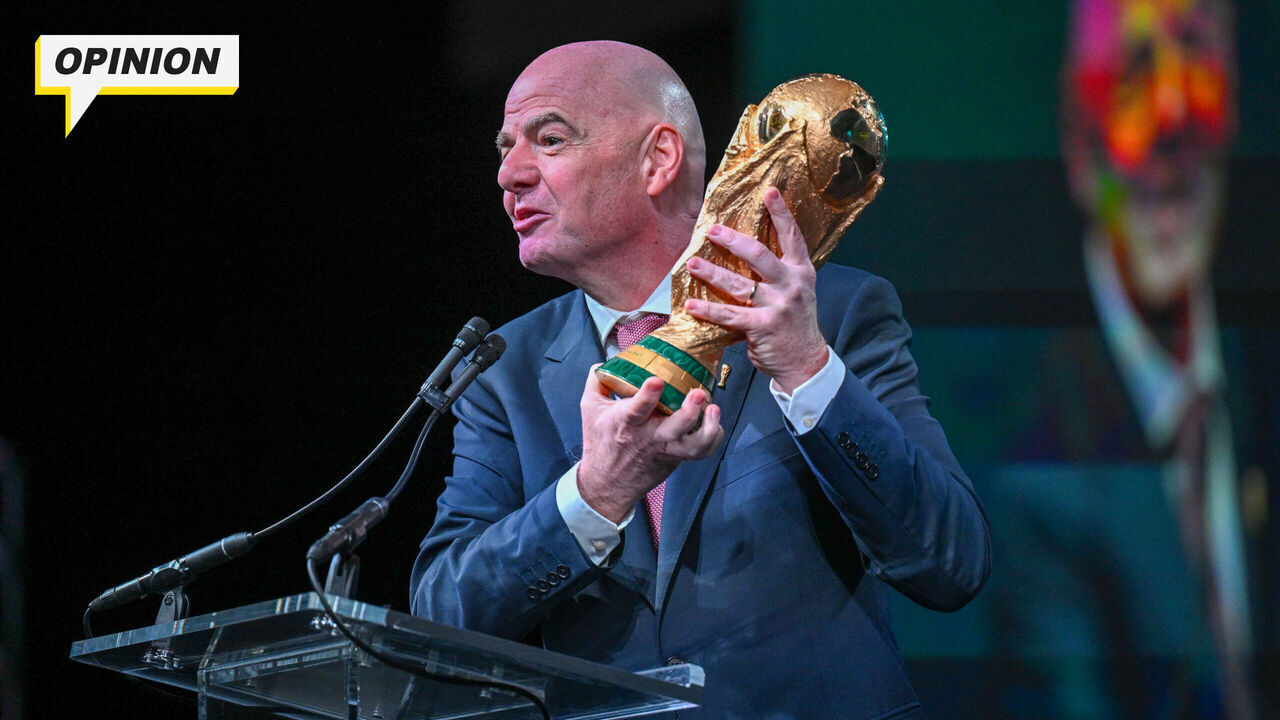
The World Cup will be fine in the end. Probably.
The pattern preceding the spectacle is familiar: In the weeks leading up to a big international sporting event, a cascade of stories detail a litany of problems. But those issues are usually solved in a last-minute scramble, and once the games begin, everyone gets swept up in the excitement while those early concerns are lost in the majesty and drama of it all.
Except almost all of the problems relating to the 2026 World Cup are about one thing - money - and FIFA needs fans to spend to help solve them.
That's a tricky ask these days. And U.S. President Donald Trump stating matter-of-factly that he wouldn't pay the exorbitant asking prices for World Cup tickets doesn't help matters.
Gianni Infantino, FIFA's high-profile boss, probably didn't see that coming after spending so much time cozying up to the president.
Looming over it all is one central question: Did FIFA simply overestimate the demand for its signature event?
The notion dates back months, since the wildly expensive prices for World Cup games were unveiled, with tickets for high-demand matches involving one of the three host nations or traditional football powers listed for thousands of dollars per seat.
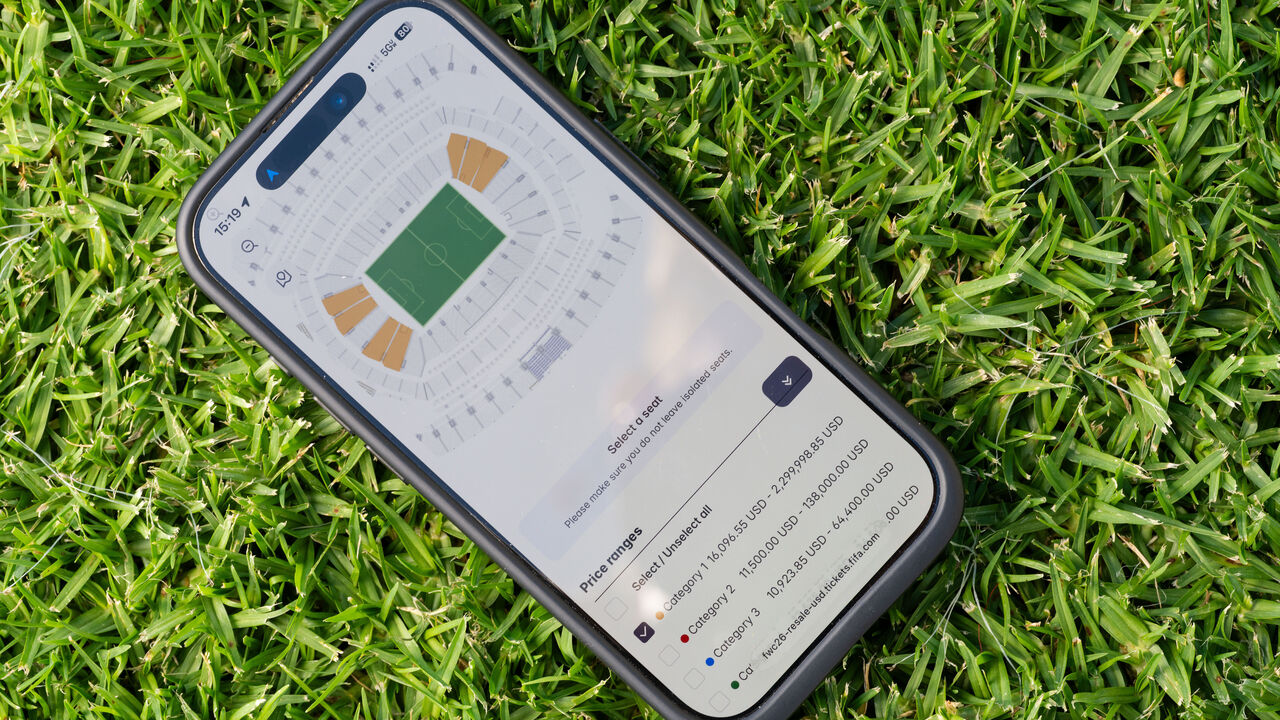
Want to experience the World Cup final? That'll set you back around $33,000 for a prime seat.
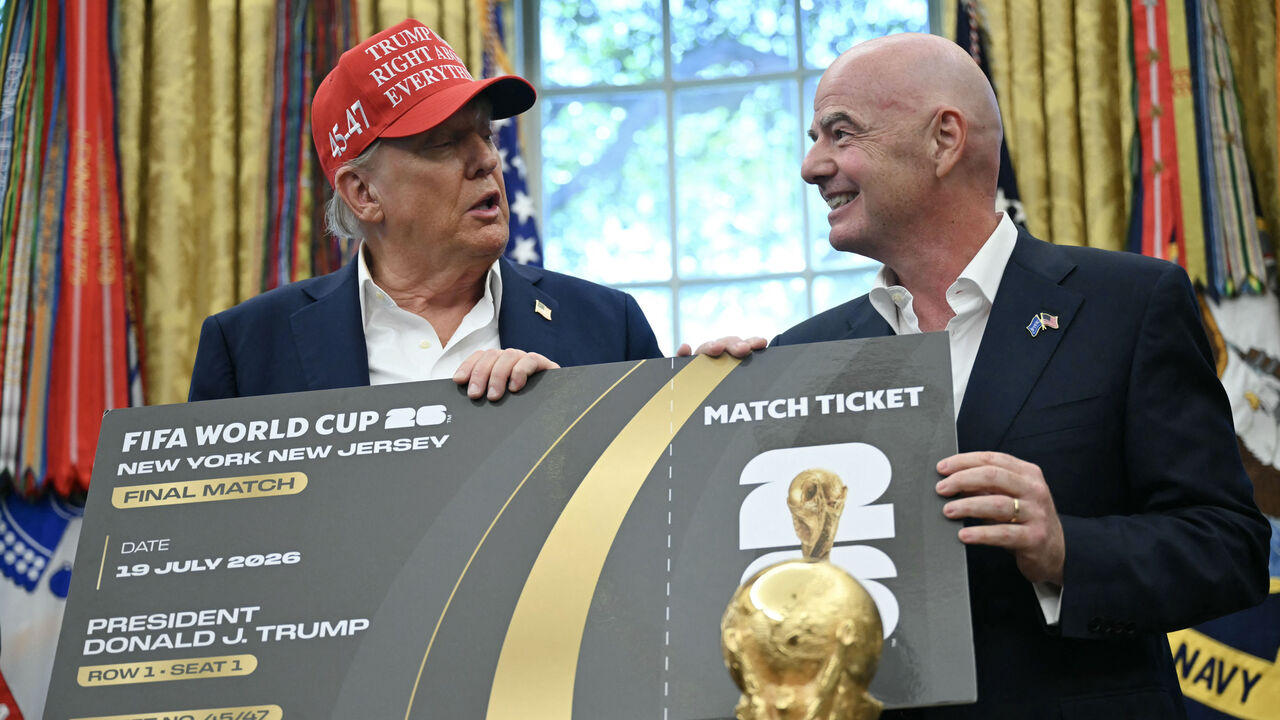
Fan groups - and politicians - complained about the prices, and FIFA responded by releasing a small number of bargain seats to placate the heaving masses. But the measure did little to counter the fact that tickets to the 2026 edition of the tournament are many multiples more expensive across every category than previous World Cups.
That initial problem only became worse once the stories about associated prices were published. Hundreds of dollars for a parking spot. Train and bus tickets up to five times higher than normal. Hospitality packages that cost the same as a decent compact car. Even outdoor fan festivals with triple-digit entry fees - to watch games on a big-screen television!
Yet FIFA, and especially Infantino, has insisted that demand for the tournament reached historic levels and that the prices simply reflected the realities of the North American ticket market, where it's not uncommon for sporting events to be much more expensive than in other parts of the world.
This is true, to a degree. In many countries, football clubs are considered community assets rather than for-profit businesses, and it's expected that regular working folk will be able to afford tickets. Resale markets are either restricted or banned outright as well. So, yes, those markets aren't entirely comparable to the high prices often seen in the United States and Canada.
But Infantino has also comically overstated the issue, suggesting last week that it's impossible to attend a college game in the U.S. for less than $300, let alone a professional league. That might be true of certain playoff events, but there are, of course, loads of regular games with cheap tickets. And the expanded 48-team World Cup will have dozens of matches - those with smaller countries or ones a very long way from North America - that are akin to regular-season games from a demand perspective. Expecting Americans to spend many hundreds of dollars to watch Jordan versus Austria or Bosnia against Qatar, to name a couple, is just bizarre.
Infantino joked that he'd personally deliver "a hot dog and a Coke" to make sure high rollers have a great time at the games. Problem solved, then.
The news of high prices has since given way to stories about soft demand, with tickets left unsold even as the tournament is now less than a month away. Sales are difficult to track precisely because there are secondary-market resellers in addition to FIFA's own resale market, but these sites show plenty of availability across most matches, including the United States' opener against Paraguay in Los Angeles.
One analysis found that the lowest available price has dropped in recent weeks for 76 of the 78 matches in the United States. And in almost half of the group-stage games, tickets were available on the resale market for lower than FIFA's face value - a sign that nervous buyers are trying to recoup at least some of their costs.
One significant factor that FIFA couldn't have anticipated, though, is the geopolitical situation involving the war in Iran and the high consumer costs related to it as well as Trump's trade wars and general antagonism toward his country's traditional allies. The influx of tourists that might have been anticipated has instead been replaced by news of thousands of unsold hotel rooms.
If foreign football fans stay home and seats remain empty, will FIFA scramble to offer discounted tickets in the final days? Possibly, even if that brings complaints (and potential legal action) from those who paid the inflated initial prices. This is, after all, basically what happened with FIFA's Club World Cup in the United States last summer.
But that was an odd tournament of dubious merit. This is the World Cup. Empty seats just won't do.
Scott Stinson is a contributing writer for theScore.