The signs that this Toronto Maple Leafs season was likely to go sideways have been there for a while.
Since about the end of March, that is, when MLSE president Keith Pelley met the Toronto media after dismissing Brad Treliving as the team's general manager.
It's not that Treliving deserved to stick around: Among his many missteps the man traded first-round picks in the next two drafts for players who are no longer on the Toronto roster.
No, the cause for alarm was just about everything else Pelley said in that press conference, after the part about dismissing Treliving.
The Maple Leafs, he explained, had certain "verticals." And these verticals, you see, "weren't horizontally integrated as they need to be."
He insisted that his next hire to run the team's hockey operations had to be "data-centric," which is such a standard part of NHL front offices these days that he might as well have said that the next GM needed to be capable of drawing breath.
And, my favorite, which came when he stressed the need for evidence-based decisions: "Evidence-based decisions are never wrong."
Friends, if you would like some examples of evidence-based decisions that went wrong, I give you the 2026 Toronto Maple Leafs.
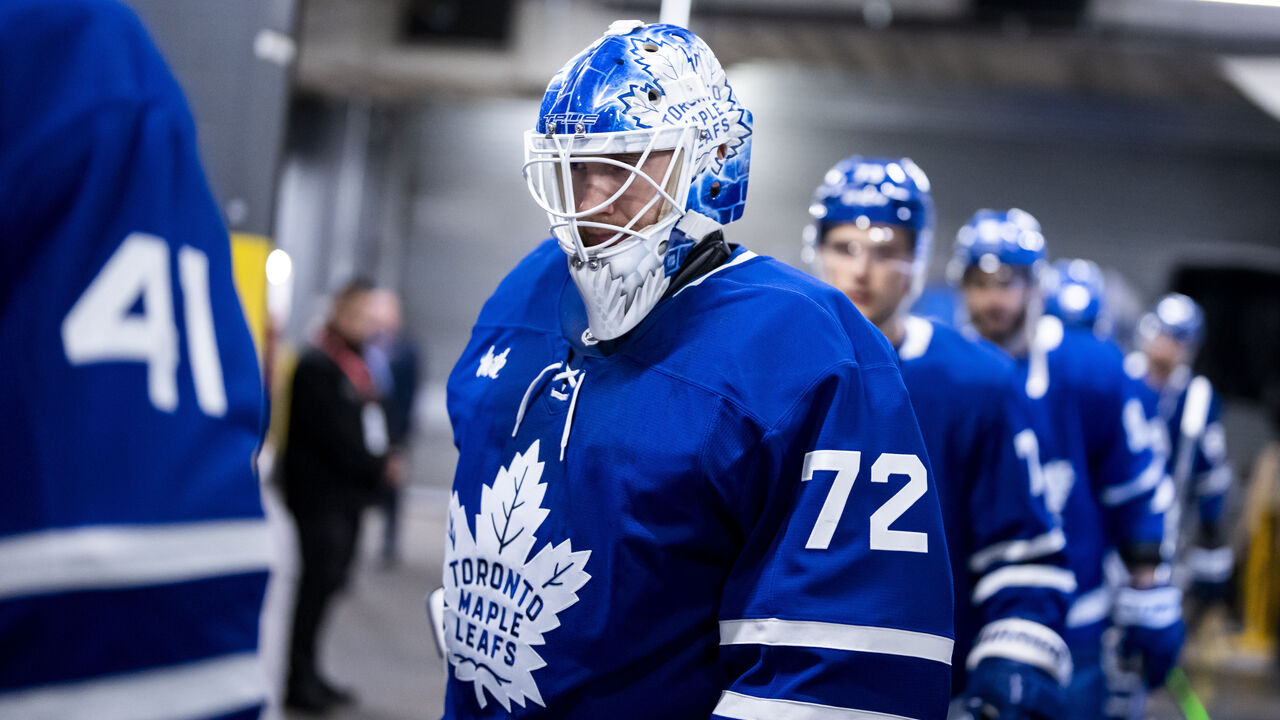
In fairness, it's hard to call the decision to sign 38-year-old goaltender Sergei Bobrovsky to a three-year, $21-million contract "evidence-based." The data suggested that the former Panthers goalie was at an age when goalies sharply decline - you don't even have to look beyond Maple Leafs franchise history to discover that fact - and he was coming off his worst NHL season. Expecting him to suddenly revert to his Stanley Cup-winning form, especially playing behind a Leafs team with an old and leaky defense, seems more like a case of resolutely ignoring the evidence.
But John Chayka, the one-time Arizona GM who Pelley snatched from a second career running fast-food franchises, evidently saw something in the data that intrigued him. Unless it was Mats Sundin, given his first job in professional hockey management by Pelley, who pushed for adding the veteran goaltender. It seems unlikely that Sundin would have such clout so soon, but the division of responsibilities in the new Maple Leafs front office has never exactly been clear. It was initially thought that Sundin was brought in for vibes, to provide something of a PR shield, but he's been operating in the background all season. Weird place for your vibes guy.
Chayka (and Sundin?) were successful in doing one thing that seemed impossible as the offseason began, which is that they were able to turn over a considerable amount of the Toronto roster.
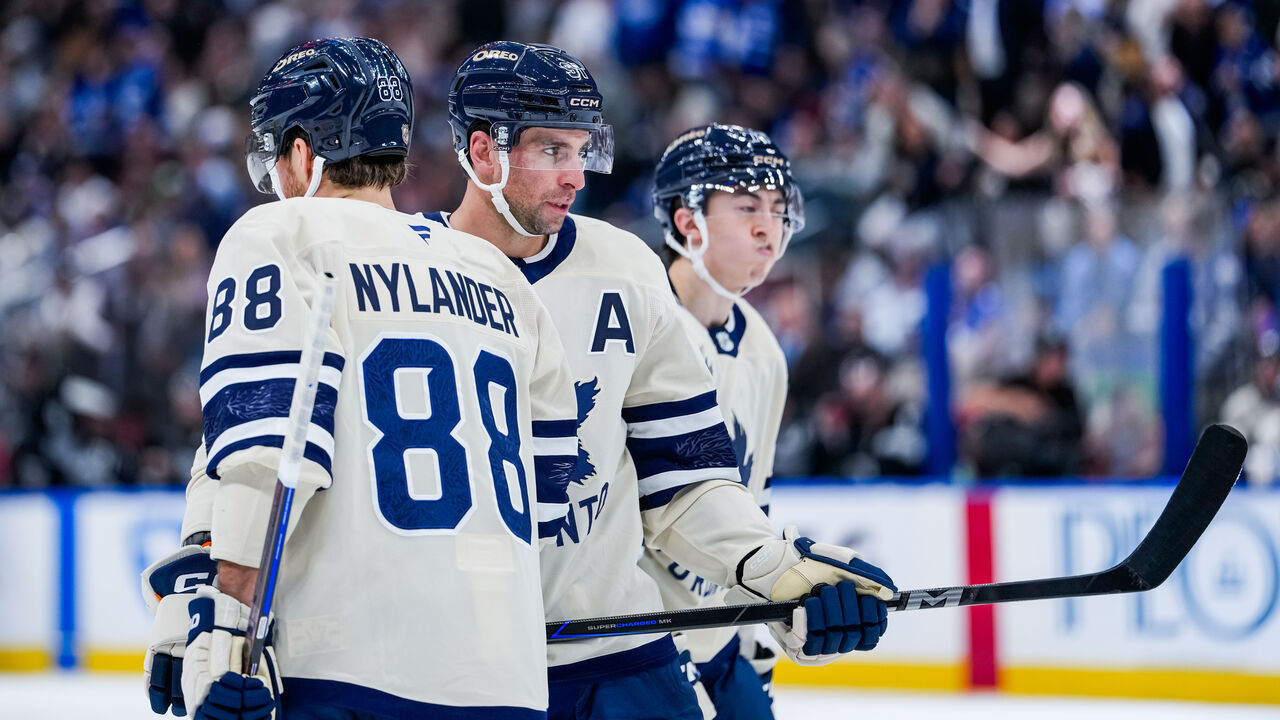
Unfortunately, with the Leafs mired in an eight-game winless streak after blowing a 3-0 lead at home to the Los Angeles Kings, few of the many changes seem to be working. Darren Raddysh has been a nice addition on the blue line, except he's making the kind of money (eight years, $68 million) that demands elite, not decent, play. Kirill Marchenko has been injured, various bottom-six forwards have struggled to be two-way contributors, and even formerly reliable players like William Nylander and John Tavares are now stuck in the mud.
In the early part of the season, new coach Jim Hiller at least seemed to have been able to break the team out of former coach Craig Berube's ineffective, low-event style, but he had no answers once injuries exposed the team's lack of depth and is now smashing the big red SHUFFLE LINES button after just about every game. Maybe it's unreasonable to expect any coach to do much with a team that has an aged Russian sieve in net, but Chayka's decision to hire a relatively inexperienced bench boss - one assumes the choice was evidence-based - looks like it has left the team exposed now that the season has gone well and truly off the rails. Hiller said after Thursday's shootout loss to the Kings that the Leafs were "too comfortable" with the 3-0 lead, which is an alarming thing to say about a team that had lost seven straight games at the time. The roster is practically bursting with older veterans: No one knew the importance of continuing to play with urgency as the season spiralled downward?
Speaking of alarming, Chayka's decision to bring in so many vets has left him with precious few outs. Other than the presumably untradeable Gavin McKenna and Easton Cowan, the only young talent on the roster, it's a sea of guys on the wrong side of 30. And Auston Matthews, who will cross that threshold next fall, in the last year of his contract. There is no cap space, and there are many players with no-movement clauses in their deals that would make any kind of teardown difficult to pull off.
But Pelley, of course, didn't want a teardown, as he said back in that infamous press conference. The Leafs just needed a retool. And so, they got one, and here we are.
Which leaves a significant question for the man in charge: Are those verticals horizontally integrated yet?
Scott Stinson is a contributing writer for theScore.