Let's just start the MLB lockout already. No point waiting.
Ever since reports began to trickle out years ago indicating that baseball owners and commissioner Rob Manfred would insist on a salary cap once the latest collective bargaining agreement expired, there remained some hope that it wouldn't come to that.
Baseball underwent a surprising renaissance thanks to some simple rule changes - a pitch clock was among many tweaks that sped up games and made the sport less painful to watch. And even as big-spending teams like the Los Angeles Dodgers and New York Mets made wild splashes for star players, modest spenders in smaller markets kept getting into the playoffs, essentially disproving the theory that only rich clubs could compete in baseball's economic system.
Was Major League Baseball really going to throw all that momentum away and turn the clock back to 1994 with a work stoppage that tanked the sport's popularity?
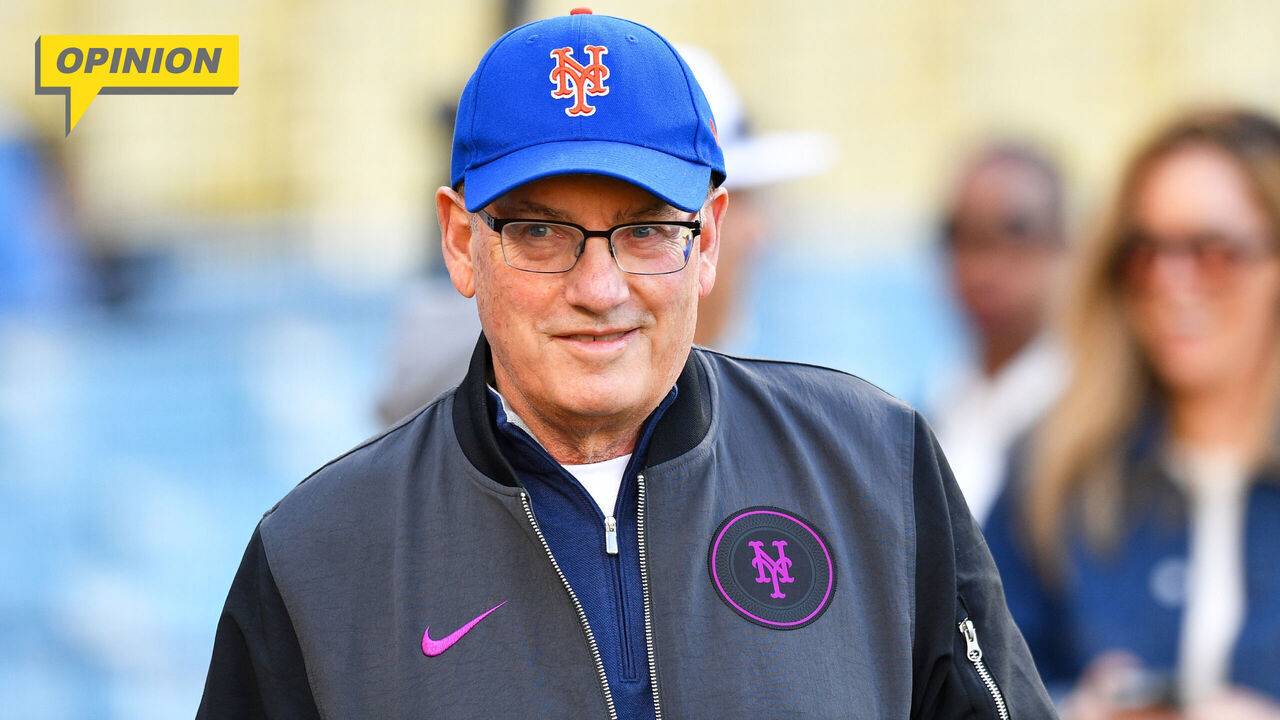
Steve Cohen and the Mets just gave free-agent pitcher Tarik Skubal $450 million over nine years, making the answer to that question an unequivocal yes.
Cohen, who's said he agrees a salary cap is necessary, managed to land the best pitcher available while also trying to make the case that billionaire owners like himself must be reined in. For him, it's a win-win.
For baseball fans, it stinks, and it increases the feeling of helplessness that comes along with knowing that the labor and management sides of this current impasse are caught in a death spiral.
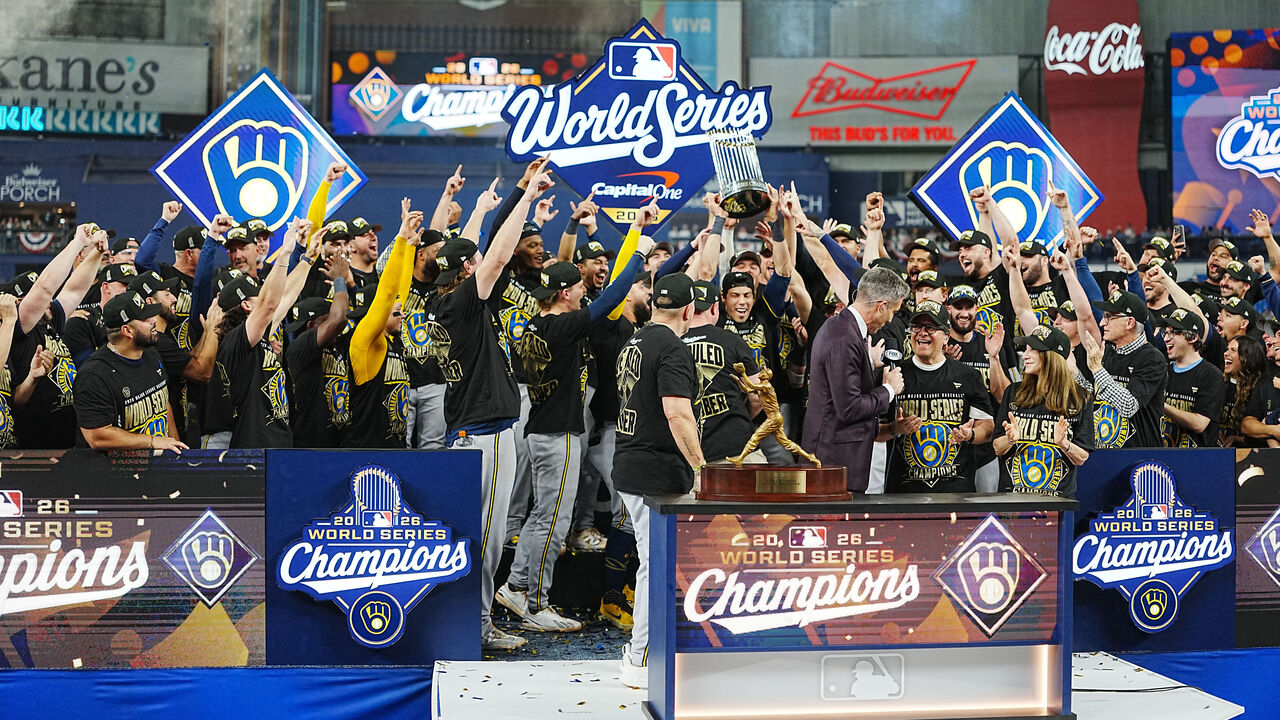
Does baseball need a hard salary cap? No. Small-market teams can and have remained competitive, and many big spenders - Cohen's Mets chief among them - have discovered that a large payroll is no guarantee of success. (The Milwaukee Brewers literally just won the World Series! And they beat the Tampa Bay Rays to do it!)
Does that mean that baseball has a perfect system? Also no.
The Dodgers have exploited MLB's loopholes magnificently by deferring salary payments to such a large degree that they violate the spirit, if not the rule, of the current luxury-tax regime. There are also far too many teams (and owners) that make no attempt to field a competitive club, happily scooping up the money that's diverted to them by the sport's revenue-sharing model even as they play in front of mostly empty home stadiums. This has been a problem for decades, and it's not one that the players should be forced to solve.
But none of the arguments for or against a cap are new at this point. The pro-cap side can point to a league like the NFL, which has exploded in popularity under a hard-cap system and seen revenues and salaries grow exponentially.
But the anti-cap side can point to that same league and note that a whole class of players has been punished under that very system. Elite quarterbacks now make the kind of money that was once only available to Wall Street CEOs, but running backs can find themselves tossed aside once they reach the end of their cheap rookie deals. There are winners and losers in any hard-capped system. Those losers can include players who reach free agency and are due a giant contract only to discover their options are limited because so few teams have cap space.
These are, of course, the same points that were being made 30 years ago, the last time that MLB seemed hell-bent on instituting a salary cap. And over that period, franchise values have only risen, even as payroll costs did the same.
The San Diego Padres were sold in the summer for almost $4 billion. If people are willing to spend billions to buy a baseball team that plays in a small market - and, with apologies to the Padres, does not exactly have a glorious record of success - that seems like pretty solid evidence that lesser franchises still have great value in an uncapped league.
Which makes MLB's current plan to drive itself off a cliff all the more frustrating. There's plenty of money sloshing around the sport - more than enough of it to make everyone quite wealthy. Can't they figure this out?
Manfred said recently that he thinks the players need to meet the owners "in the middle" with some sort of compromise that includes a salary cap and floor. But that's incredibly disingenuous on his part. As it stands, it's the owners who won't compromise: They want a hard cap, or they will lock out the players next week and the work stoppage will be underway. What's the point of asking the players to meet you "in the middle" when you're insisting on the one thing that you know the players are unwilling to accept?
The MLBPA once lost an entire season because it wouldn't agree to a cap. The only question now is how many games will be lost as the league tries to force one on the players again.
Scott Stinson is a contributing writer for theScore.