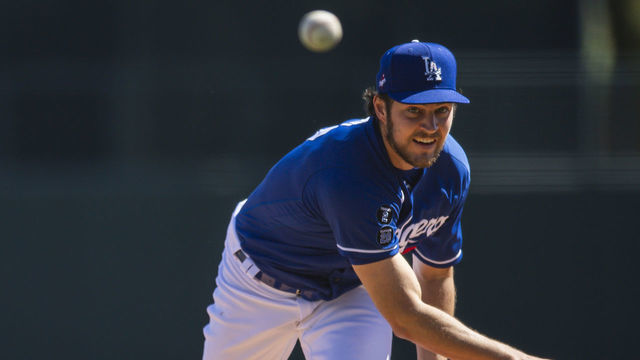
Though some mid-tier free agents remain unsigned as spring training begins, Major League Baseball teams have done the vast majority of their spending. The 10 most expensive contracts this year exceeded $700 million combined. Let's grade them individually based on the total amount, average annual value, and team need, among other criteria:
George Springer, Blue Jays
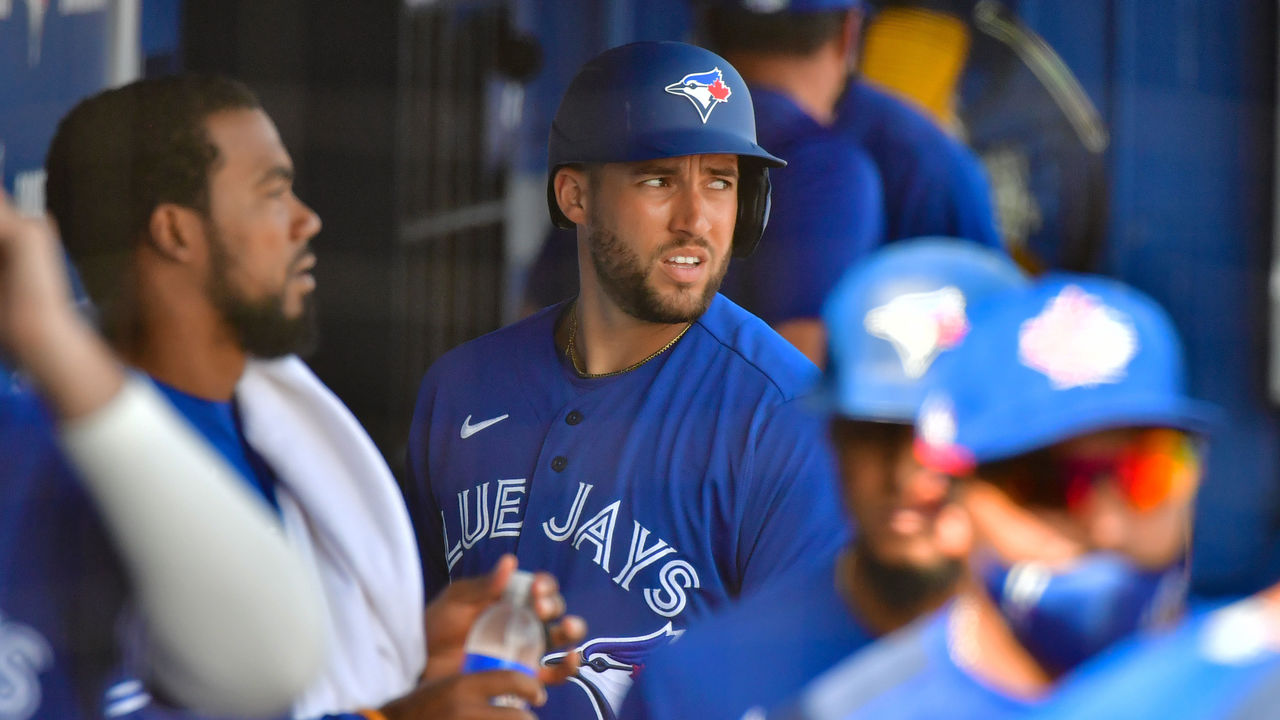
6 years, $150M
The richest contract this winter went to Springer, but that doesn't mean the outfielder is overpaid. Let's do a blind comparison to illustrate why:
| Player | GP | AVG/OBP/SLG | HR | SB | wRC+ |
|---|---|---|---|---|---|
| Player A | 173 | .284/.376/.576 | 53 | 7 | 154 |
| Player B | 198 | .311/.413/.572 | 43 | 5 | 154 |
* - statistics combined for 2019-20
Player A - with more homers and steals in fewer games - is Springer, and Player B is Anthony Rendon, who earned a seven-year, $245-million contract last winter. Rendon was one year younger than Springer when he signed his deal, so the extra year makes sense, and he's an elite glove at a premium spot. But Springer, who still plays an important position, isn't $95-million worse. It's an expensive deal, and maybe the Toronto Blue Jays would have been better served to invest in the rotation, but that doesn't change the fact that this is a huge addition to an ascendant club that should pay dividends in all six years.
Grade: A
J.T. Realmuto, Phillies
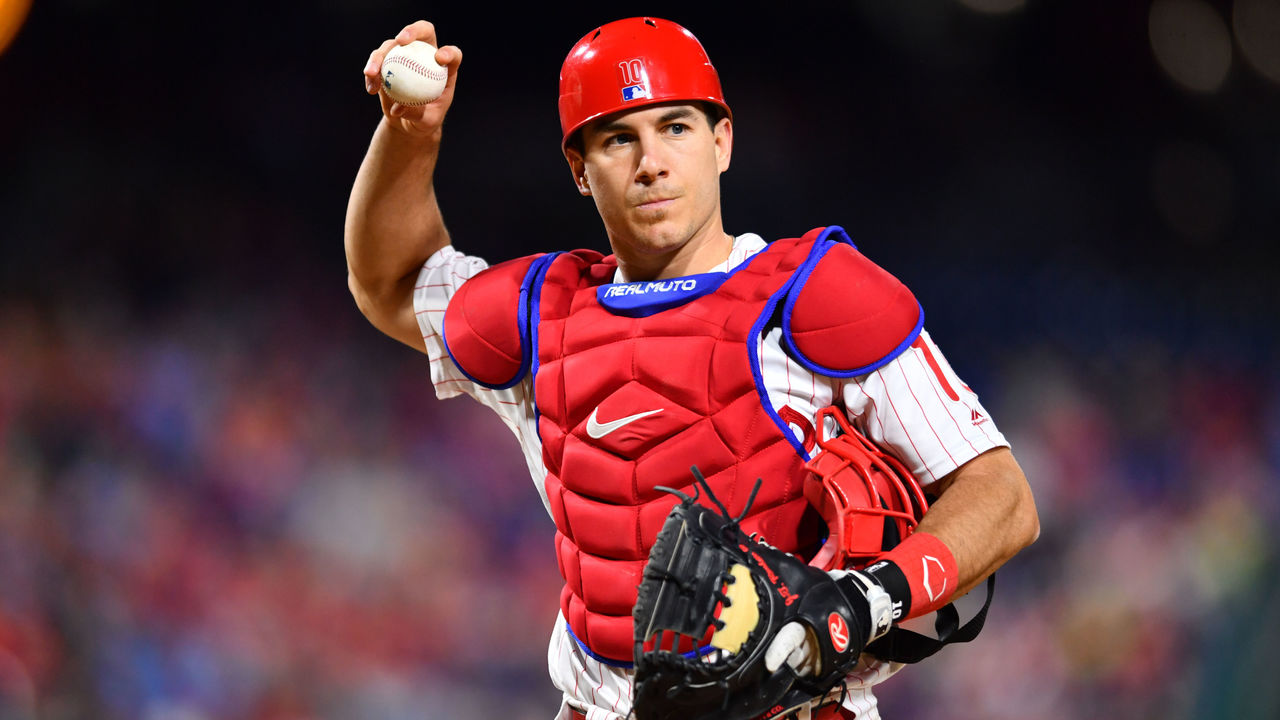
5 years, $115.5M
Realmuto landed one of the most expensive contracts given to a catcher - with the highest average annual value ever - this winter, and it's not especially difficult to see why. The only backstops to land bigger contracts are Joe Mauer and Buster Posey, both of whom should earn plaques in Cooperstown. By keeping it a shorter term than Posey's and Mauer's (eight and nine years, respectively), the Philadelphia Phillies hope Realmuto's deal ages better. Most importantly, though, Realmuto has been unbelievable offensively and defensively for his career. Since his first full season in 2015, the 30-year-old has saved 46.7 runs on defense and authored a 110 wRC+, according to FanGraphs. The only catchers better in both categories are Posey and Yasmani Grandal, who signed a four-year, $73-million contract last winter and is two years Realmuto's senior. For the Phillies, this signing was key to keeping them afloat.
Grade: B
Trevor Bauer, Dodgers
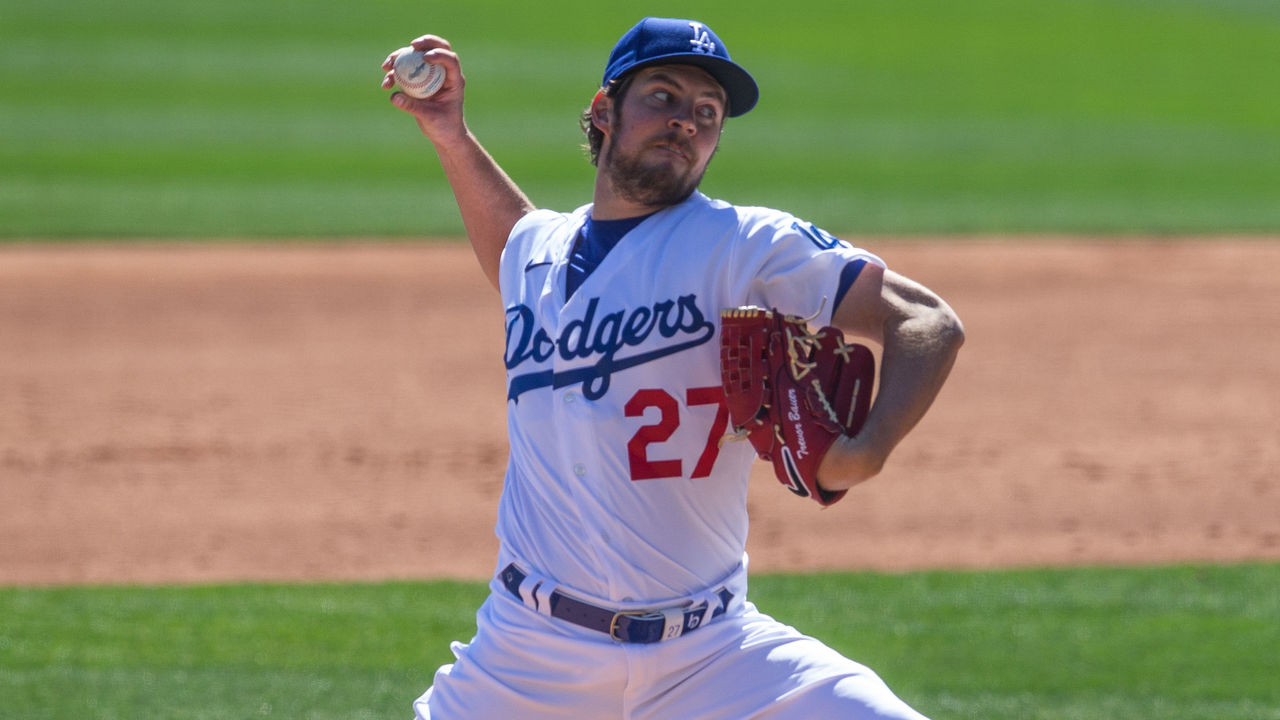
3 years, $102M
To say Bauer's short-term, high-AAV deal with the Los Angeles Dodgers is complicated is an understatement. Typically, lucrative deals that include player-friendly opt-outs are backloaded, like Giancarlo Stanton's 13-year deal that paid him $107 million over the first six seasons and then $218 million over the subsequent seven years. Bauer, though, will earn $38 million in the first year of the deal and, if he opts out, that total jumps to $40 million. Why not opt out after recuperating 39.2% of the total value of the contract in the first year? Well, the Dodgers then reserve the right to defer half of that total. If Bauer sticks around for one more year, he'll make $70 million over two seasons. If he uses that second-year opt-out, that becomes $85 million. The odds of Bauer sticking around for an extra $17 million in the third year (the qualifying offer is worth more right now) seem slim. It's a deal only one of the richest teams could afford, but it makes a ton of sense for both sides.
Grade: A-
D.J. LeMahieu, Yankees
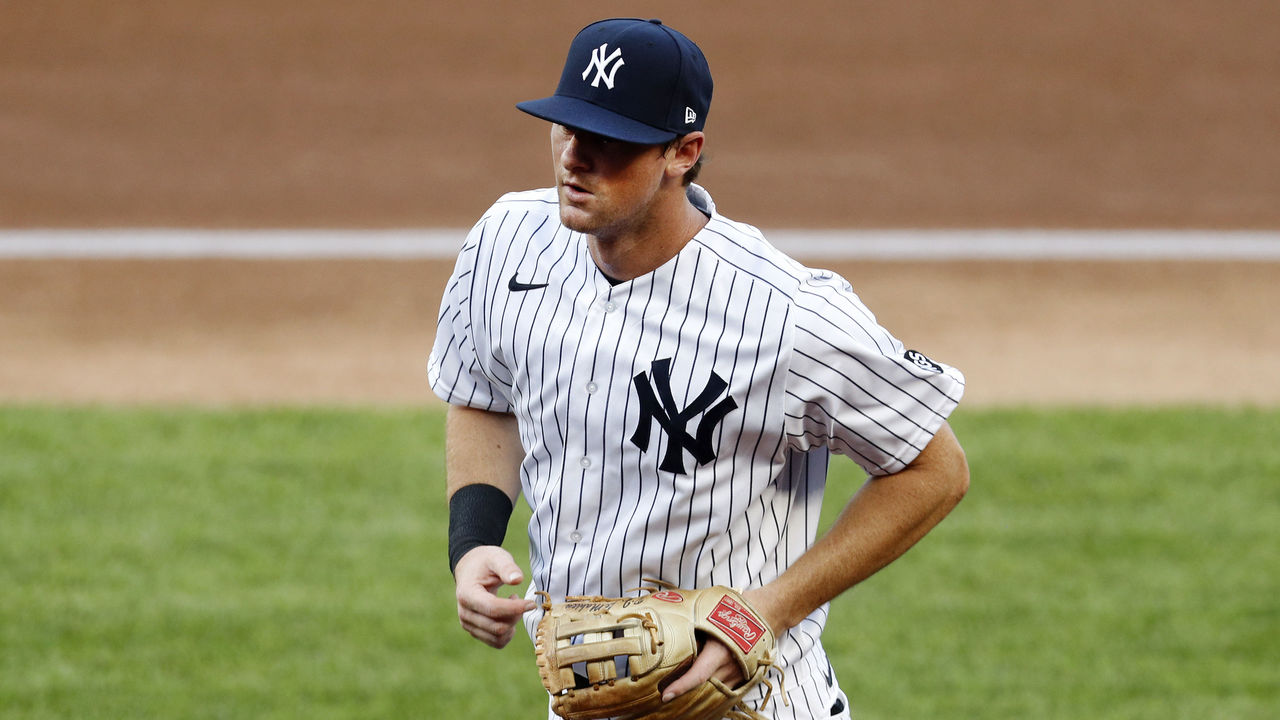
6 years, $90M
LeMahieu was reportedly chasing a five-year, $125-million deal but wound up settling for far less money over one more season. Despite his incredible performance with the New York Yankees over the past two years, it would have been difficult to justify paying the utility man through his age-37 season, especially with Stanton's contract on the books and Aaron Judge and Gary Sanchez due for raises of their own. Here's the thing about LeMahieu, though:
| Team | GP | AVG/OBP/SLG | wRC+ |
|---|---|---|---|
| With Rockies | 918 | .299/.352/.408 | 91 |
| With Yankees | 195 | .336/.386/.536 | 146 |
He was a completely different hitter while with the Colorado Rockies, from age 23 through 29. LeMahieu won a batting title, a couple of Gold Gloves, and made some All-Star appearances, but the gear he's achieved in the Bronx is something else entirely. Whether he can continue this level of production into his mid-30s will decide largely whether this contract works, but at least the Yankees didn't invest in too many years.
Grade: C+
Marcell Ozuna, Braves
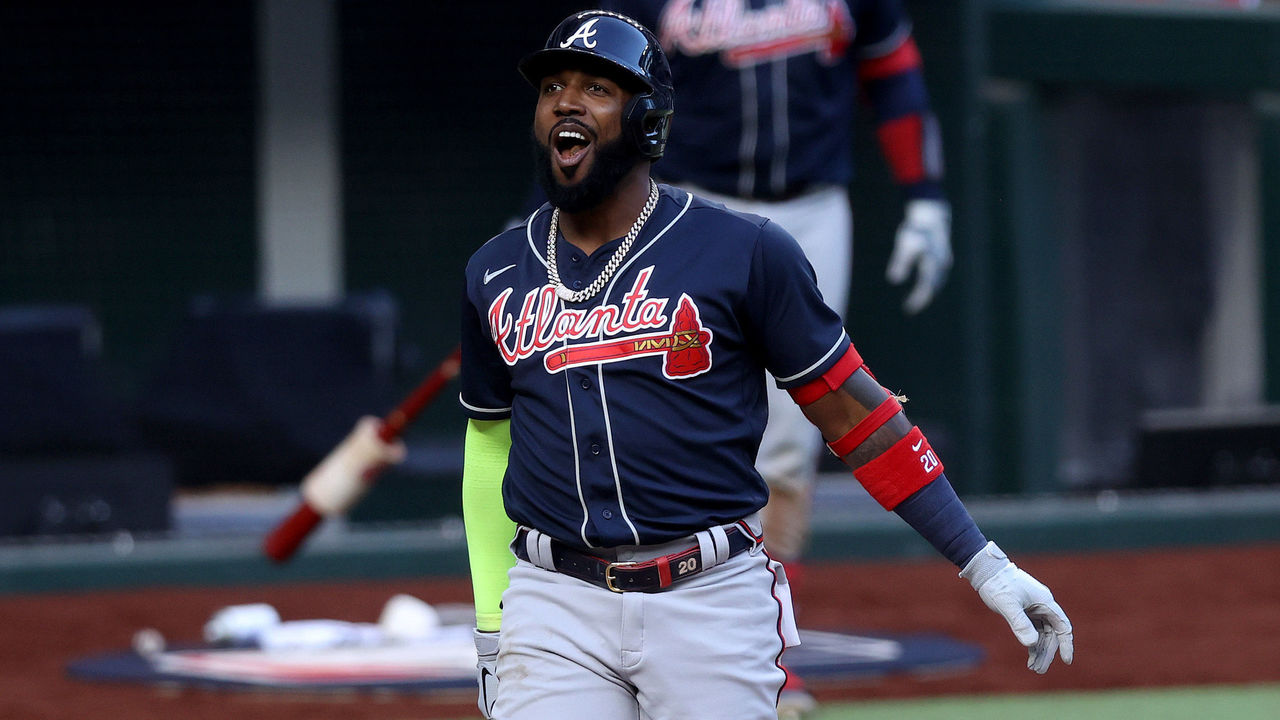
4 years, $65M
The Atlanta Braves have made a recent habit of landing reclamation projects on one-year deals to unbelievably great results and then allowing them to walk via free agency, having other teams pay the star for past production. Atlanta could let Josh Donaldson walk, in part due to top prospect Austin Riley, but the chasm in the outfield left by Ozuna needed to be filled by a free agent. One who's better defensively than Ozuna would have been smart - if Cristian Pache doesn't adjust to major-league hitting, the outfield alignment is not especially strong at preventing runs - but Springer was substantially more expensive. The Braves should get points for not going overboard on Ozuna's contract when he's coming off a career year. Even if he regresses to what he was the previous four seasons, he's still likely as good a hitter as LeMahieu and almost two years younger, and he's getting roughly the same average annual value over two fewer seasons.
Grade: B+
Liam Hendriks, White Sox
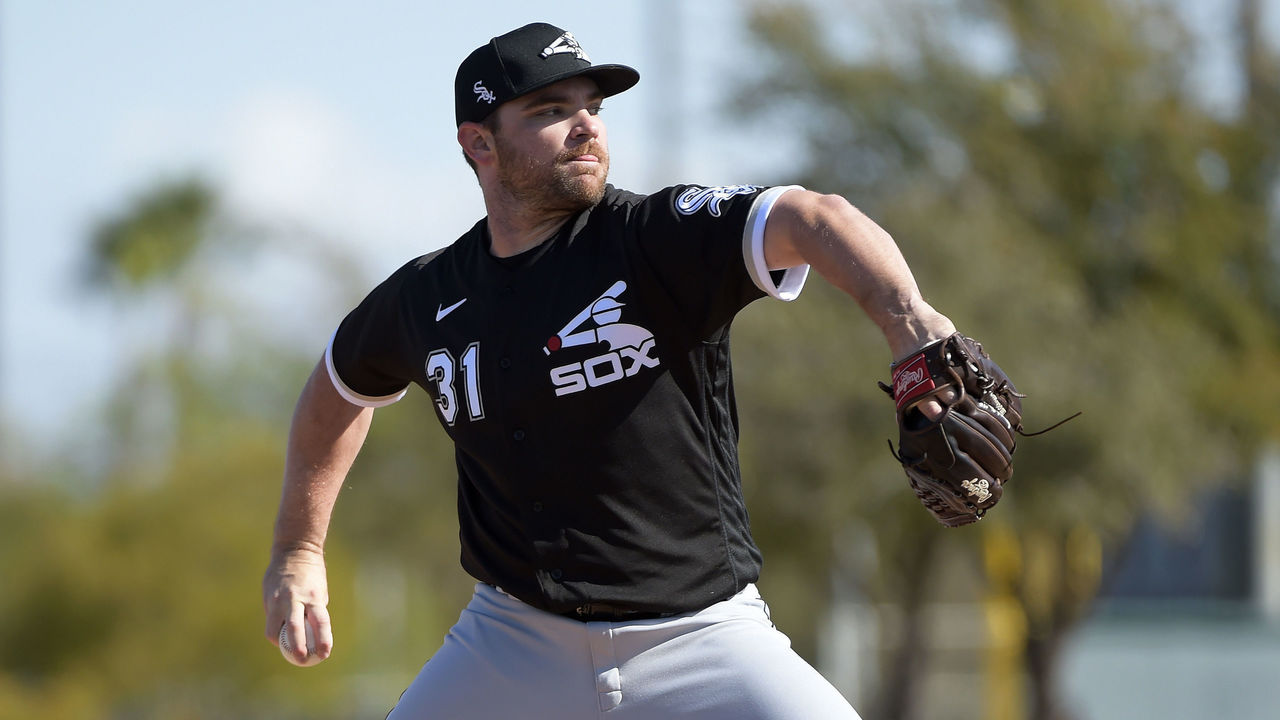
3 years, $54M
After losing Alex Colome to free agency this winter, the most dire need for the Chicago White Sox was their bullpen. There are a ton of reasons why Hendriks is actually worth the highest average annual value ever given to a closer, and it starts with how he's remade his career over the past two seasons. Here's how relievers rank in WAR since the beginning of 2019, according to FanGraphs:
| Pitcher | IP | ERA | FIP | WAR |
|---|---|---|---|---|
| Hendriks | 108.1 | 1.66 | 1.66 | 5.2 |
| Nick Anderson | 81.1 | 2.77 | 2.15 | 3.0 |
| Taylor Rogers | 89 | 2.93 | 2.85 | 2.6 |
| Brad Hand | 79.1 | 2.95 | 2.40 | 2.6 |
| Josh Hader | 94.2 | 2.85 | 3.28 | 2.5 |
That's some elite company that Hendriks leads, and it isn't even close. There's as big of a gap in WAR between him and Anderson as there is between second place and 59th. The one red flag is that part of Hendriks' value is his workload. He's now entering his age-32 season and pitched more over the past two seasons than any reliever other than Jalen Beeks, who serves as a bulk reliever after an opener (Hendriks has appeared in 97 games to Beeks' 42). There's risk here, but if his body can hold up as he nears his mid-30s, it'll be an amazing deal for Chicago. If not, at least it's only a three-year contract.
Grade: B-
James McCann, Mets
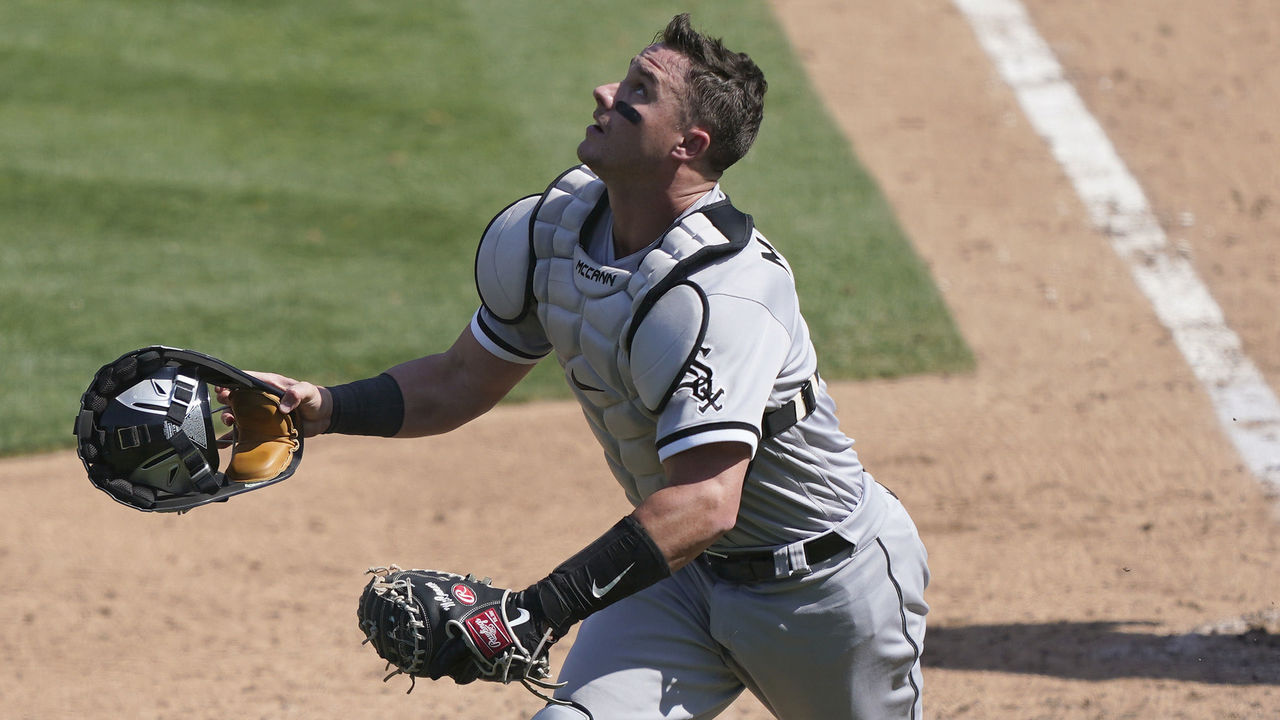
4 years, $40.6M
Entering the offseason, the New York Mets' biggest need was behind the plate. With new ownership at the helm, they seemed like a lock to land Realmuto. The Mets, however, opted for McCann, and though his deal is substantially cheaper than what the Phillies wound up giving Realmuto, he's still not necessarily worth it. Here's how the two compare over the past two years:
| Player | GP | HR | SB | wRC+ | WAR |
|---|---|---|---|---|---|
| Realmuto | 192 | 36 | 13 | 113 | 7.5 |
| McCann | 149 | 25 | 5 | 115 | 3.7 |
Over those pair of seasons, McCann has closed the gap between him and Realmuto at the plate but still lags behind drastically in defense, contributing to very lopsided WAR totals.
It would make more sense if the Mets planned on investing heavily elsewhere. However, they missed out on Bauer and got Taijuan Walker instead. And, though they acquired Francisco Lindor, they have yet to extend him or incumbent stars Michael Conforto or Brandon Nimmo. That all didn't need to be done immediately, but having $10 million tied up in a decent catcher seems like a worse investment than paying twice that for a generational talent like Realmuto.
Grade: D+
Justin Turner, Dodgers
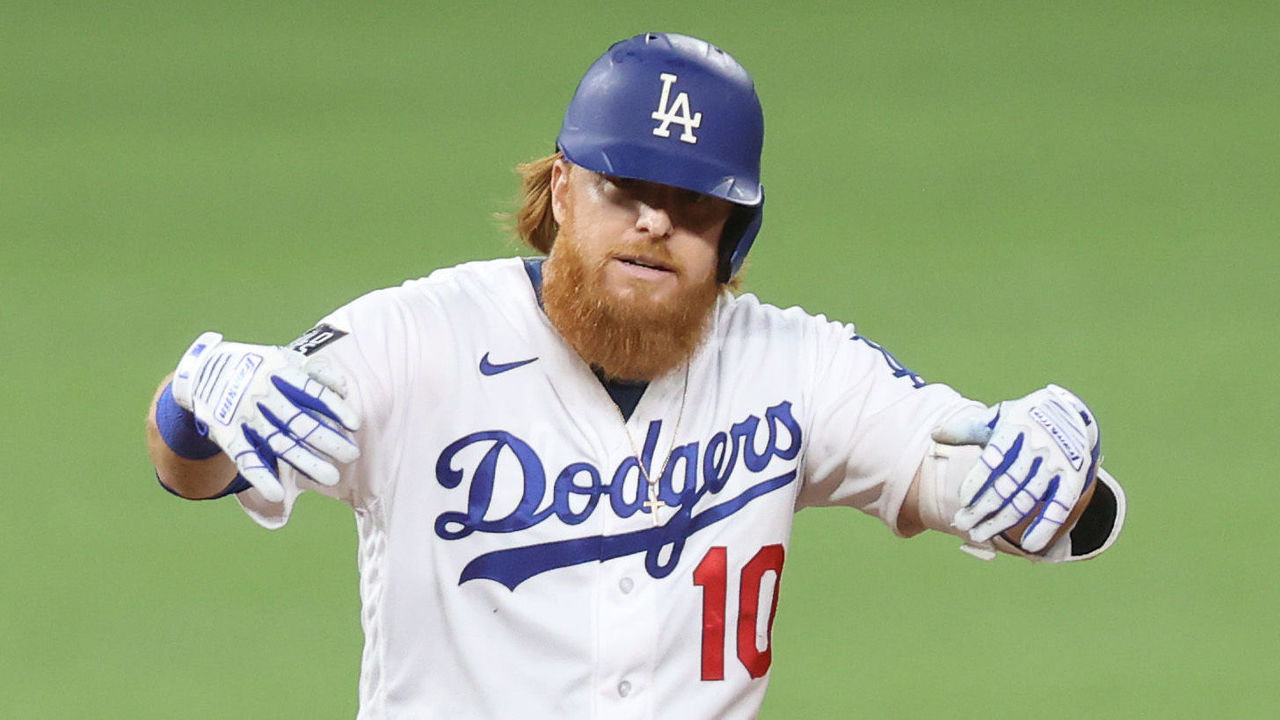
2 years, $34M
The Dodgers are trying to repeat as champs, which definitely helps inform this deal. Turner is entering his age-36 season, but the Dodgers would likely need to rely on Matt Beaty as their everyday third baseman without the veteran. The depth losses of Enrique Hernandez and Joc Pederson also forced the issue to retain Turner. The front office still needs to focus on who will succeed Turner at the hot corner, but this at least affords it two years to consider options. Fortunately, he hasn't shown any inkling of slowing down. Though he's missed time in each of the past four seasons, he's also authored a 145 wRC+. That's better than every third baseman with at least 100 games played other than Rendon and Alex Bregman.
Grade: B
Michael Brantley, Astros
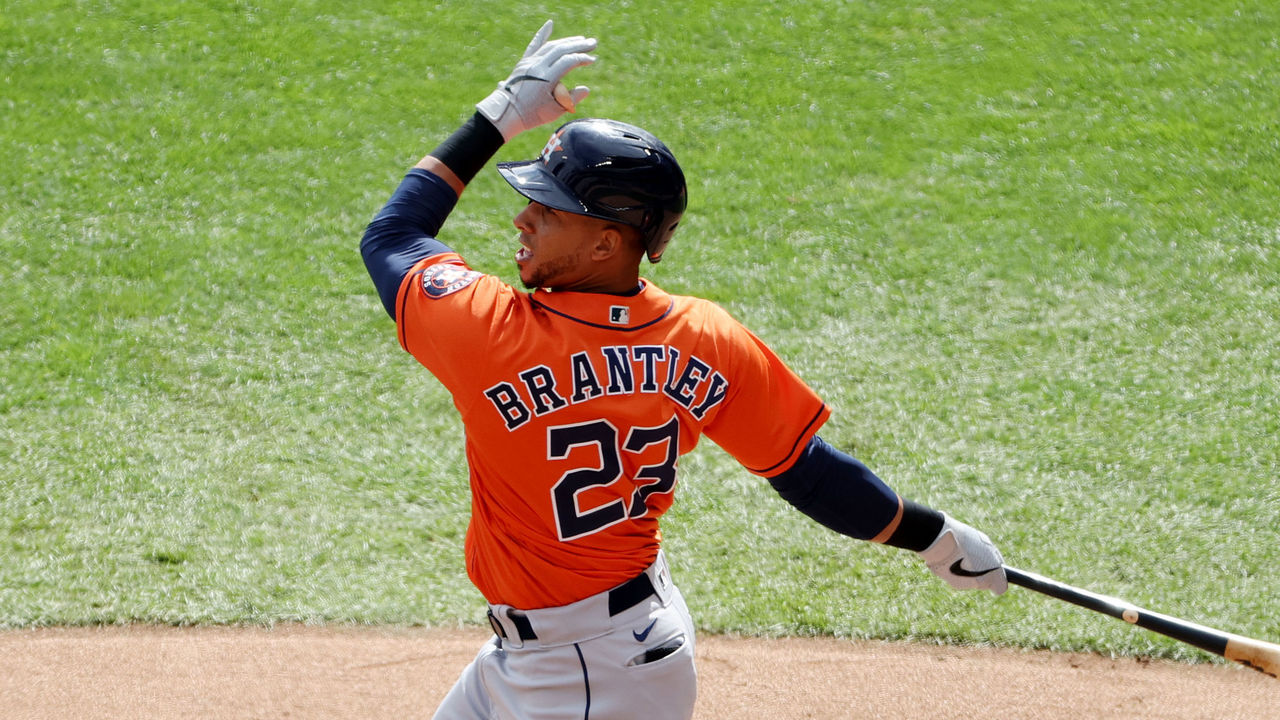
2 years, $32M
After losing Springer, retaining Brantley became a necessity for the Houston Astros. Entering his tenure with Houston, the biggest risk with Brantley was his health. However, the veteran outfielder has responded by appearing in 194 of a possible 222 games and been incredibly reliable. Including his final season in Cleveland, Brantley has hit .309/.368/.484 with a 130 wRC+. His strikeout rate spiked to 15%, which is a somewhat troubling indicator for a hitter whose value is tied so tightly to his plate discipline and contact rate, but his .364 OBP was still right near his career norm. For luxury tax reasons, Houston avoided filling the chasm in center field and that will cost it in its hunt to reclaim the AL West title. But keeping Brantley doesn't hurt.
Grade: B+
Didi Gregorius, Phillies
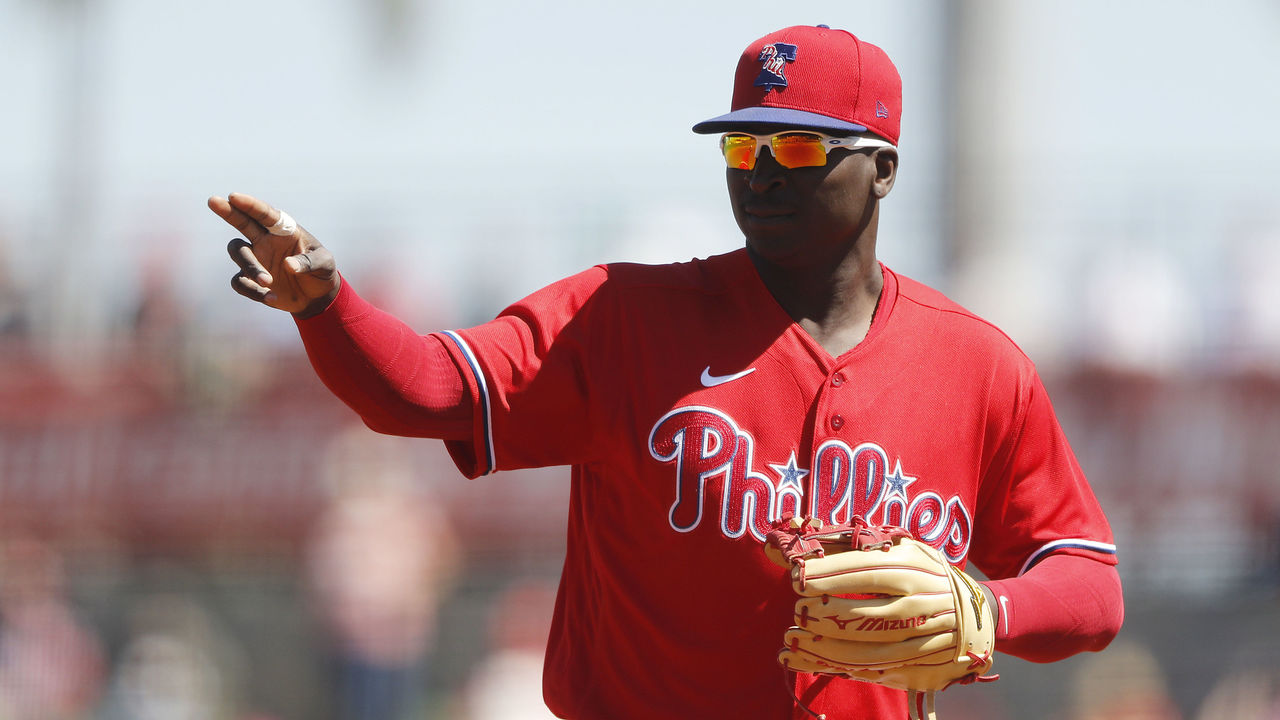
2 years, $28M
In a golden age of shortstops, when everyone is talking about Lindor, Corey Seager, Carlos Correa, Trevor Story, Javier Baez, and even Marcus Semien, Gregorius has been quietly excellent. Over the past four years, he's hit .270/.318/.477 with 78 homers, and that includes the season he struggled after coming back from Tommy John surgery. The full list of shortstops with more homers over that span is Manny Machado, Lindor, Story, and Baez. It's a short-term deal that's inexpensive - less than a qualifying offer per year - and keeps the Phillies in the hunt for at least one more season.
Grade: A+