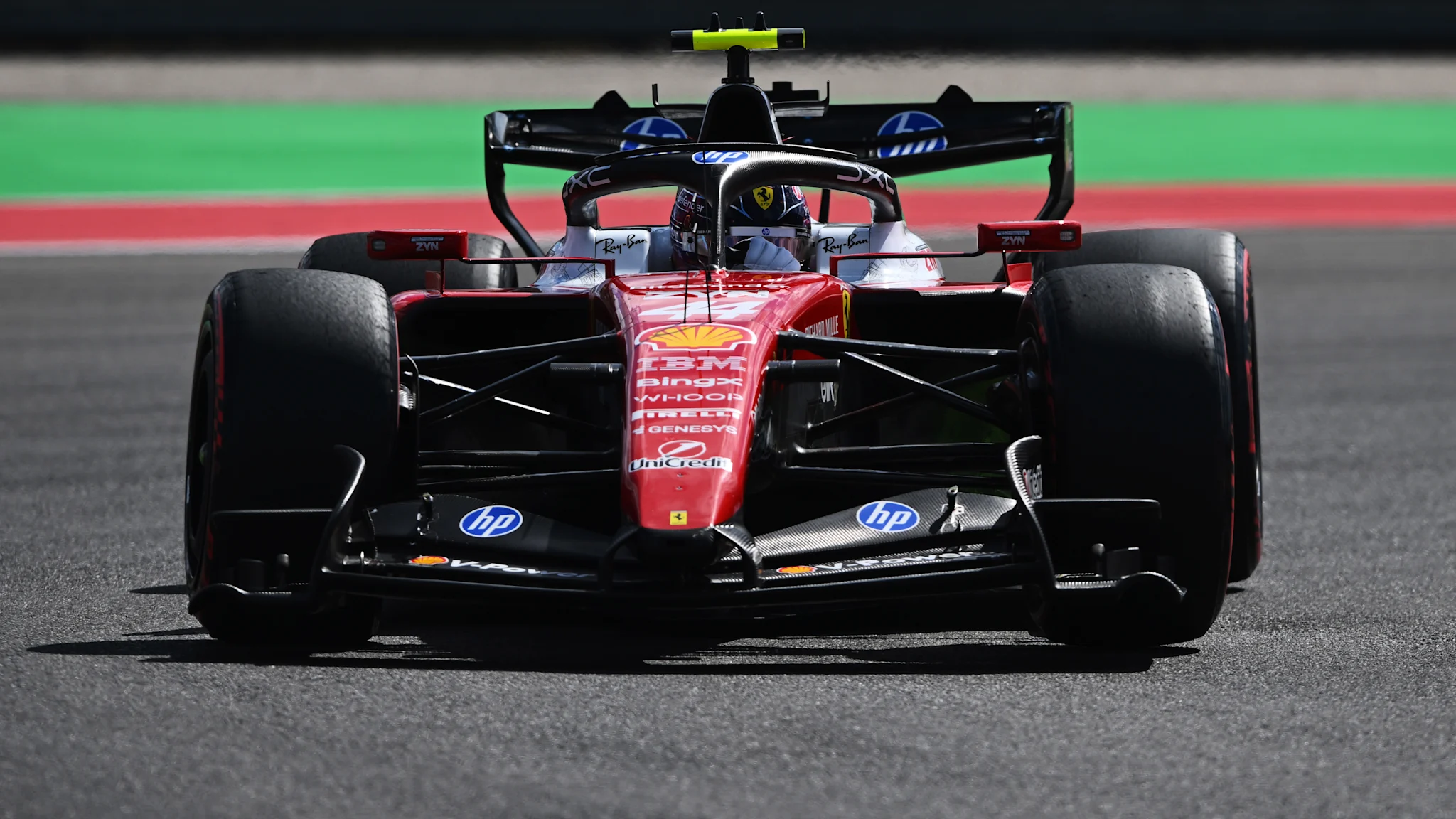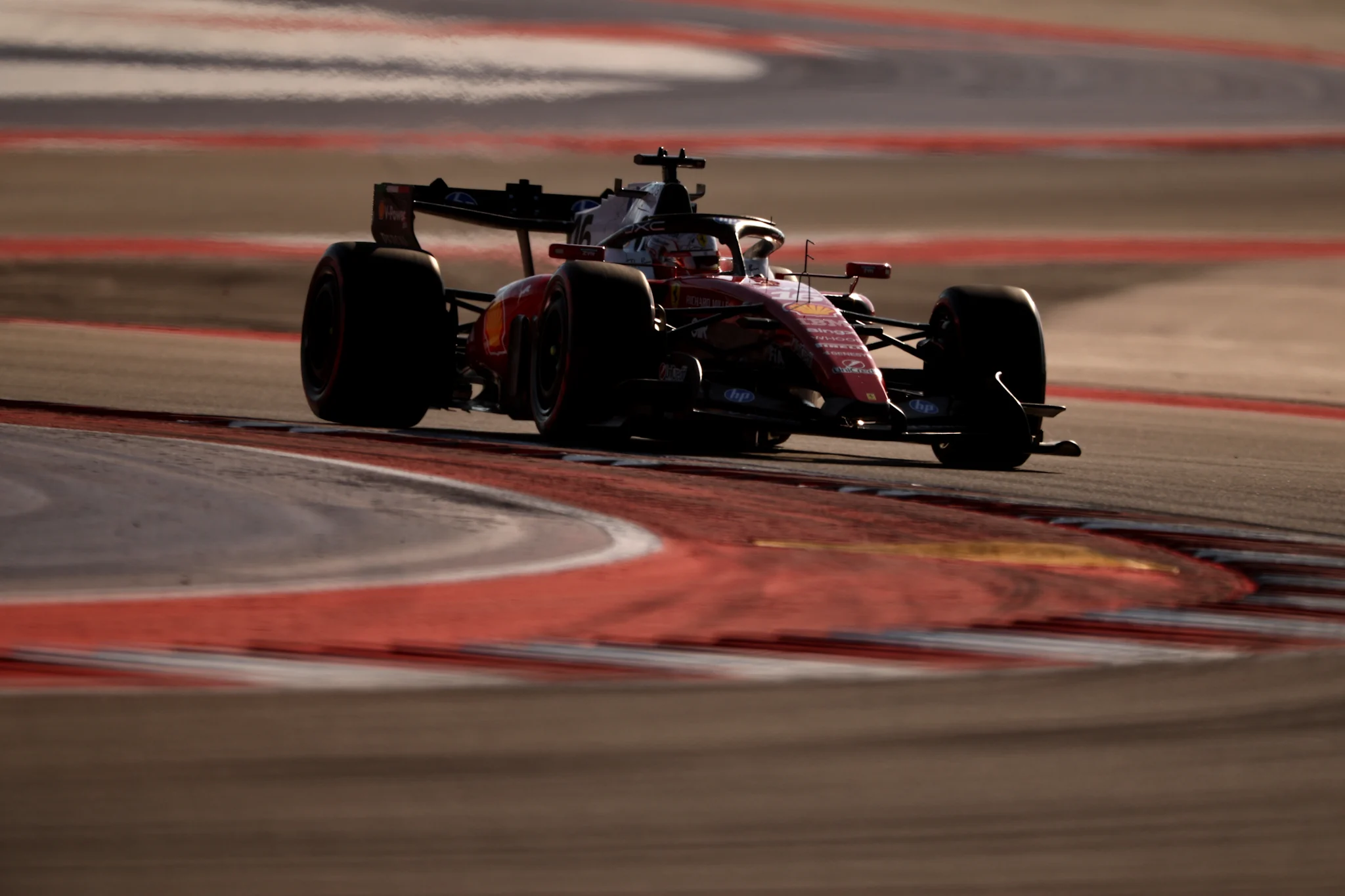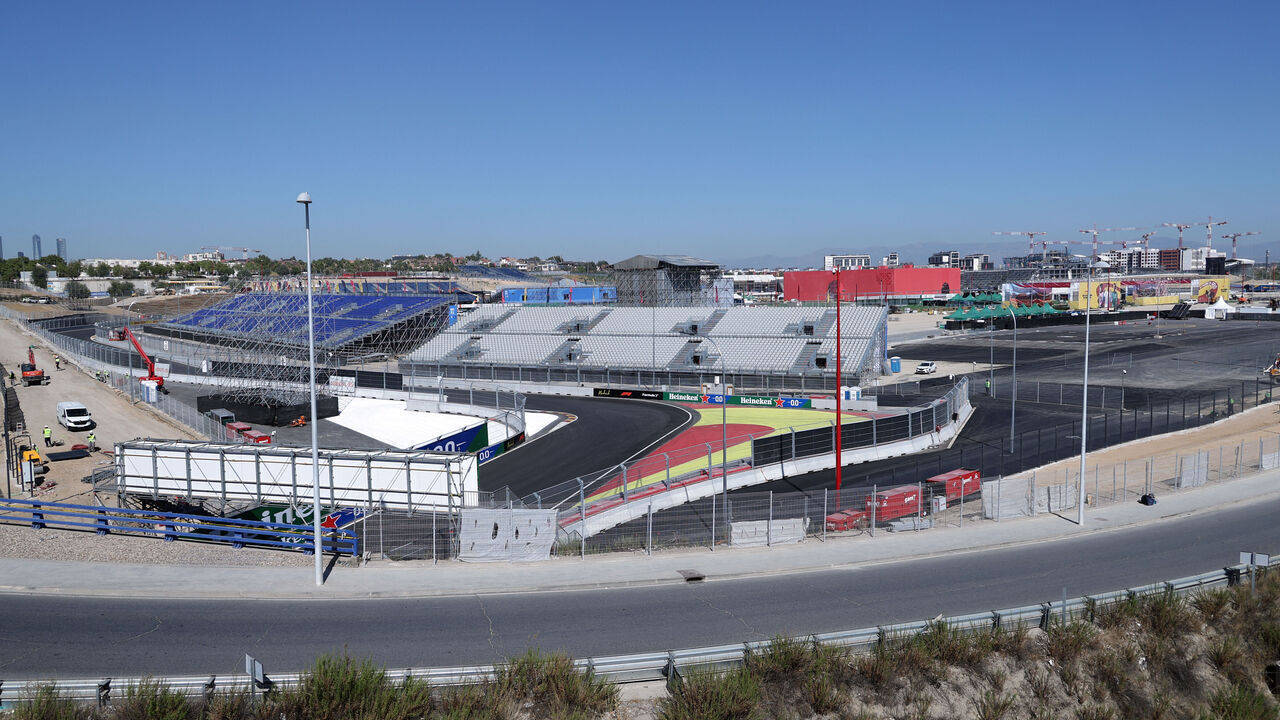
MADRID (AP) — The Formula 1 cars haven’t even made it to the track and there’s already plenty of noise surrounding the return of the Spanish Grand Prix to Madrid.
Some residents have not been happy with how this weekend's race — back after 45 years on a hybrid Madring track located in an affluent area of the city — has been affecting them.
There is plenty of support and excitement about the event, including among the locals, but some are complaining about the noise generated by the cars, the road closures in their neighborhoods and the environmental effects of the race that is on contract to take place in the Spanish capital for the next 10 years.
Residents have lodged several official complaints, with claims the race it will affect schools, nursing homes, religious buildings and environmental areas. Spanish courts have rejected at least two requests for precautionary measures against the Spanish GP's project, and local officials have sought to defend the event.
Group tries to keep race from happening
A residents' group launched a platform called “Stop Formula 1 Madrid” to help bring together those who oppose the race, with the goal of “stopping this project that will only create noise and mobility problems for thousands of households and workers.”
On its website, a countdown clock pops up with the time left to “an aggression to the health of our neighbors.” The site includes a petition that can be digitally signed “to stop this harmful project.” Last year, the group protested at a Madrid plaza where authorities officially presented the Spanish GP.
“Preliminary studies themselves conclude that the circuit will generate noise levels far exceeding legal limits, and will also be a significant source of air pollution,” it said.
Local officials praise benefits of the race
Local officials have acknowledged the disruptions caused by the race but boasted about benefits the event will bring to the region and the country.
They highlight the increase in tourism, along with the indirect benefits to the economy, such as the creation of new jobs and the boost to sales by local businesses.
“It’s one of the greatest events the city will host,” Madrid Mayor José Luis Martínez-Almeida said. “We understand the complaints that residents may have, and we are taking all the measures that are appropriate to minimize those inconveniences.”
The city said 345,000 people are expected to attend the event throughout the weekend, with tickets reportedly nearly sold out. Officials said the Spanish GP is expected to generate some 8,000 jobs and have an estimated economic impact of 450 million euros annually ($522 million).
Some businesses take a hit
Not all local businesses will benefit, though, as parts of the city will be restricted during the race weekend.
The golf course Olivar de la Hinojosa, which is open to the public inside one of the areas that will be partially closed off, is likely to see a decrease in profits during the weekend. The course, considered one of the busiest in Spain, is having to give out accreditations to those who want to play during the weekend. Intense traffic in the area is likely to keep golfers away, though.
“We have been in touch with organizers for the past year or so,” said Gregorio González-Irún Velasco, the general director of a company that oversees the golf course. “Let's see how it goes this year. It's the first time, so we don't really know how it's going to go. So we will wait, and then we can have discussions with organizers again.”
Claims of illegal noise levels
Organizers were reportedly installing noise-measurement devices in houses and businesses near the track, and noise-reducing screens were set up in some places around the circuit.
"Stop Formula 1 Madrid" said F1 cars could produce noise levels exceeding 100 decibels, which it says would be above legal limits for events in the city.
Residents got a first taste of the noise when Formula 3 cars had test sessions at the Madrid track last month.
Workers at the store that operates inside the Olivar de Hinojosa golf course said glass windows at the course's clubhouse vibrated heavily when the cars drove by on the track located some few hundred meters (yards) away.
Real Madrid one of the happy neighbors
One neighbor that didn't mind having the race nearby was soccer powerhouse Real Madrid, whose training complex and other facilities are also a few hundred meters (yards) away from the circuit.
Organizers added the club as a “local event organizer,” saying the proximity of the circuit “led to a unique collaboration" that allowed the track to use certain club facilities during the weekend.
Real Madrid will be present across different hospitality spaces over the race weekend, with club legends and prominent figures expected to take part.
Madrid familiar with noise complaints
It isn't the first time noise complaints have affected events in Madrid.
Real Madrid had to cancel concerts at its Santiago Bernabeu Stadium after residents living near the centrally located venue complained about the loud noise. Since 2024, the club hasn't been hosting big concerts.
Neighbors also complained about the noise level of the halftime show during the first regular-season NFL game that took place at the Bernabeu last year, and again expressed concerns about this year's game that will be played in November.
The Madrid region last hosted the Spanish GP in 1981 at the Jarama circuit in the capital’s outskirts. The Jerez de la Frontera track in southern Spain hosted races from 1986-90, and in 1994 and 1997.
“We know it won't be ideal, with the noise and the traffic and other things,” said Pablo Gomez, a resident who lives near the track. “But we also have to understand that it's only for three days. I don't think it's too much for us to adapt and adjust our lives a bit during this weekend.”
___