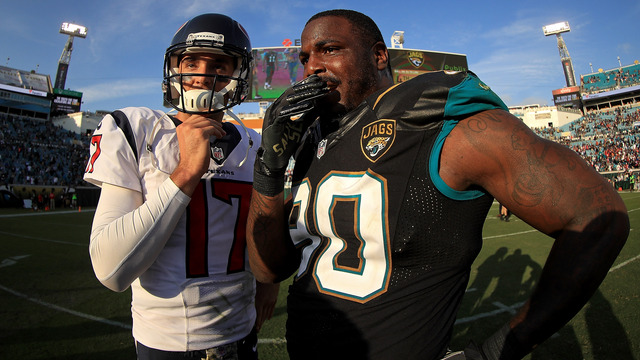
With impending free agents set to hit the market next week, it seems inevitable that teams will once again overpay players and make moves that will backfire.
Hopefully, they'll at least avoid the mistakes made from last year's class and come up with new ones.
Here are five lessons the league should have learned from the 2016 class:
Don't pay QBs just because they're available
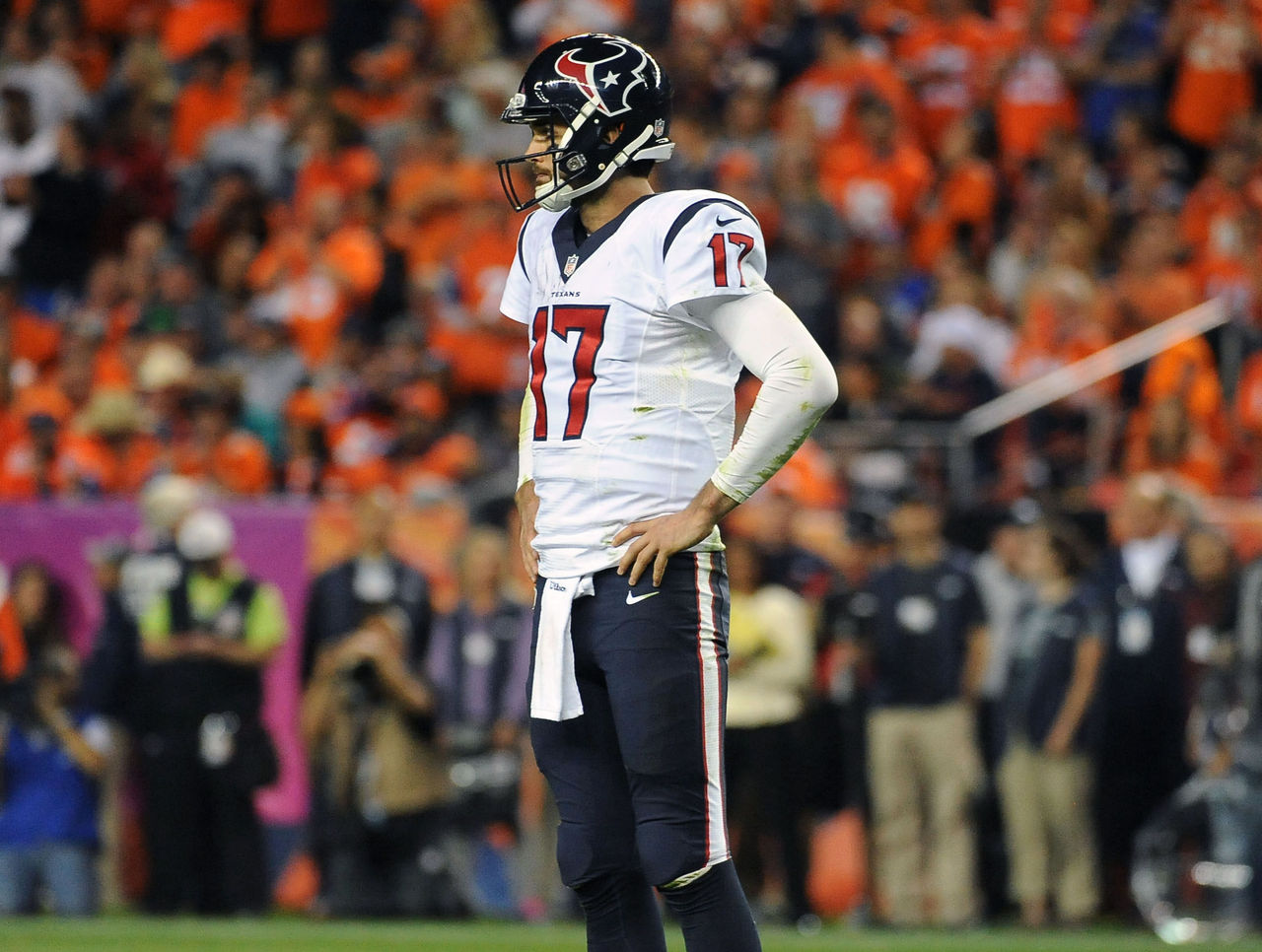
Brock Osweiler made a lot more money than he was worth last spring simply because the Texans felt they needed a franchise quarterback, and he was the closest thing available.
Really good quarterbacks don't hit the open market. It just doesn't happen anymore, and paying a guy to be your franchise quarterback surely doesn't mean he'll live up to expectations. Mike Glennon appears to be the best of the free-agent quarterbacks, but giving him a four-year, $72-million contract would be ridiculous following the Osweiler disaster.
Also, don't sign Ryan Fitzpatrick to be your starter.
Playoff performances aren't everything
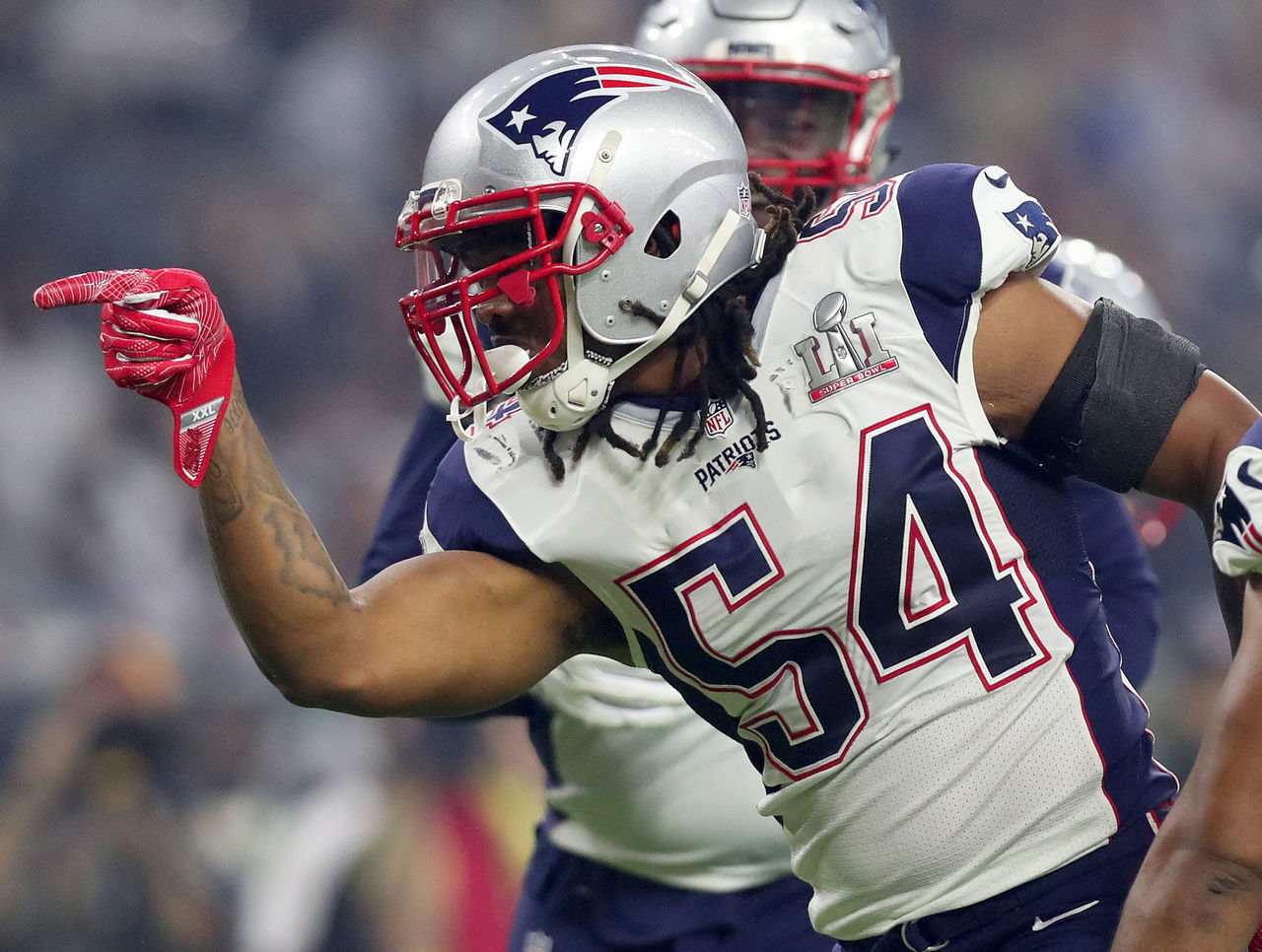
Thanks to a solid playoff stretch as part of an ultra-talented Broncos defensive front, Malik Jackson made more money than any other free agent last year (six years, $90 million), and then promptly disappeared.
With several Patriots about to hit free agency, it'll be tempting for teams to add "championship experience," but there was a reason New England was the champ and free-agent buyers weren't. Bringing in a player from a Super Bowl team to a new group and expecting the same production is naive. Dont'a Hightower, Alan Branch, Logan Ryan, and Martellus Bennett will get added value for having won the Lombardi Trophy recently, but none should be expected to walk into a new locker room and turn them into a contender.
It's OK to wait
Outside of the Patriots, long-term roster strategy isn't a strength among NFL teams. If there's a position class that's a little weak, teams will convince themselves it's better than it is because they need help at "position X" right now.
Without much talent available at offensive line, receiver, running back, and pass-rusher, teams looking for those positions may be better off waiting a year, or until the draft, to make an addition rather than reaching for a quick fix.
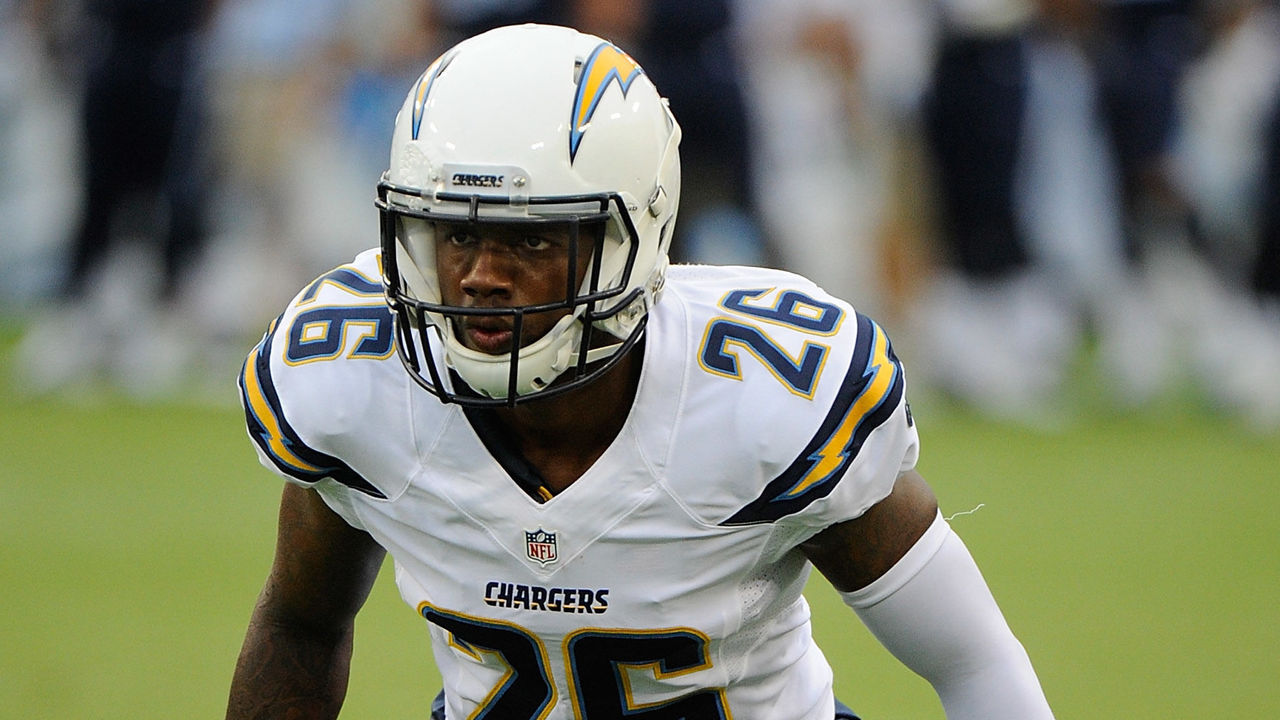
Also, most free agency mistakes are made on the first day, as teams fear they won't be able to fill their roster holes if they don't get the top guy on their board. Last year, arguably the best signing came almost a week after free agency opened, when the Chargers signed 2016 interception leader Casey Hayward to a three-year, $15.3-million deal.
Don't give running backs big money
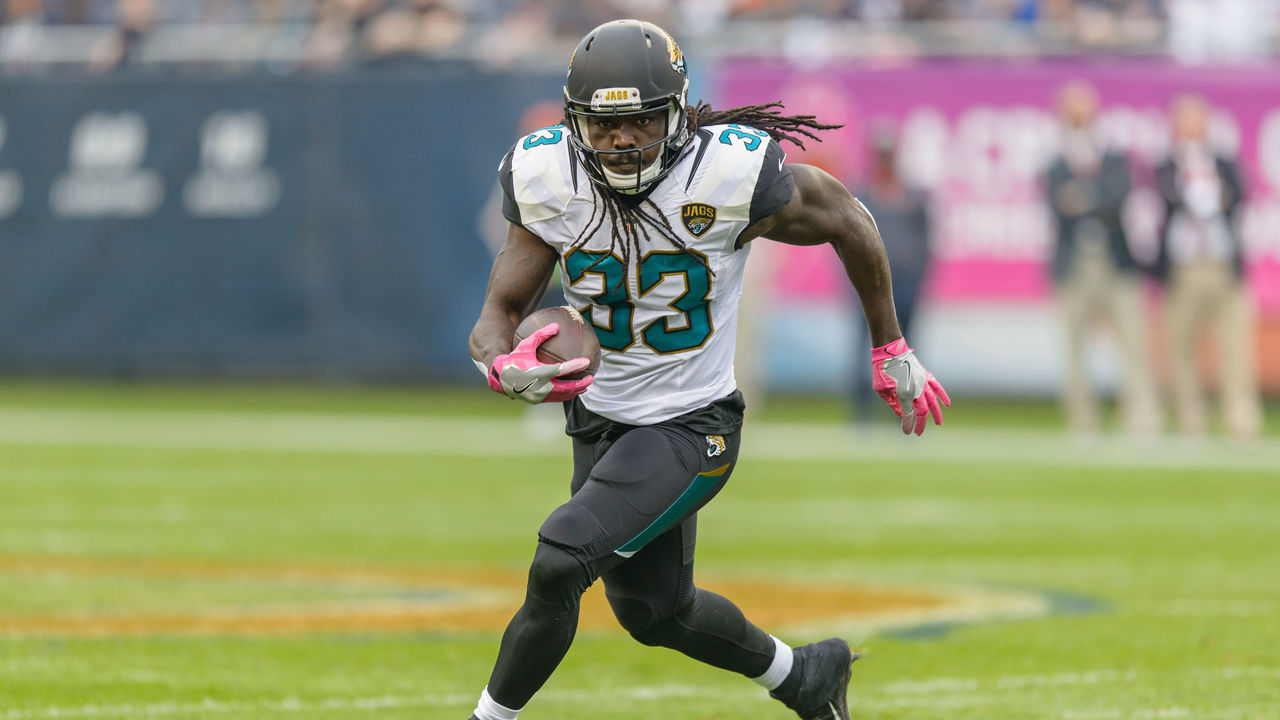
It's been well proven that quality running backs can be found late in the draft, yet, for some reason, teams feel the need to overpay for veteran runners.
Last spring, Matt Forte, Doug Martin, Chris Ivory, and Lamar Miller were signed to contracts that totaled $105.75 million over 17 years, and none of them lived up to expectations. This year's class is full of guys with question marks surrounding their potential, while the draft class is full of exciting talent. So, hopefully, teams will have the sense not to break the bank for any of the veteran runners whose best days are likely behind them.
Be cautious about joining your friends
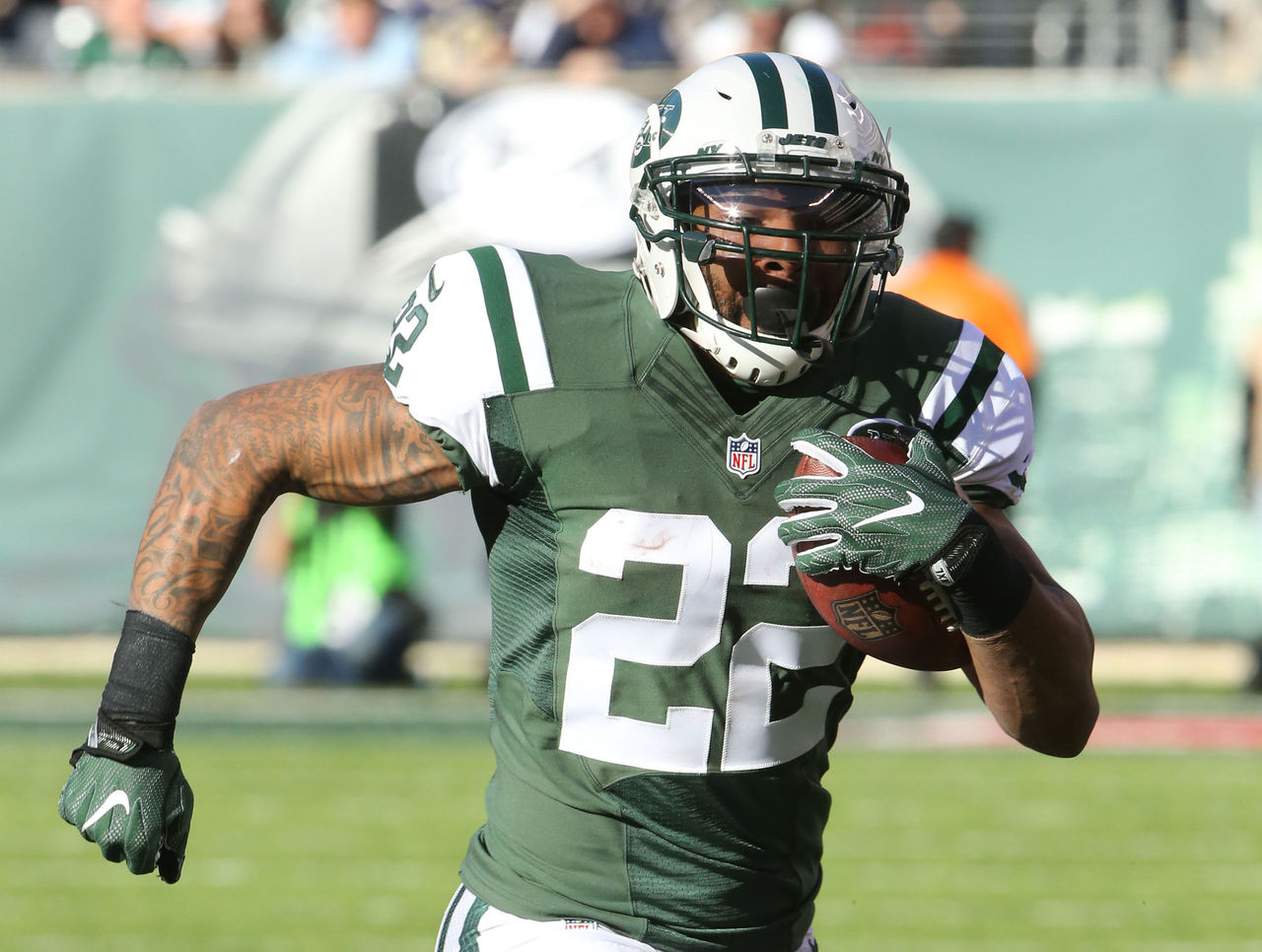
Somehow, Brandon Marshall was able to recruit his former Bears teammate Forte to the Jets last spring with the idea that they could be a championship contender.
One year later, Marshall isn't even on the Jets' roster, and the team has no starting quarterback - far from the buddy-buddy, trophy-winning experience Forte was sold on. Players will always believe in themselves and their teams, but often times don't have a clear view of what they're working with. It's tempting for veterans to go play with teammates they like, but players should be weary about overly optimistic advice from their colleagues.
(Photos courtesy: Getty Images)