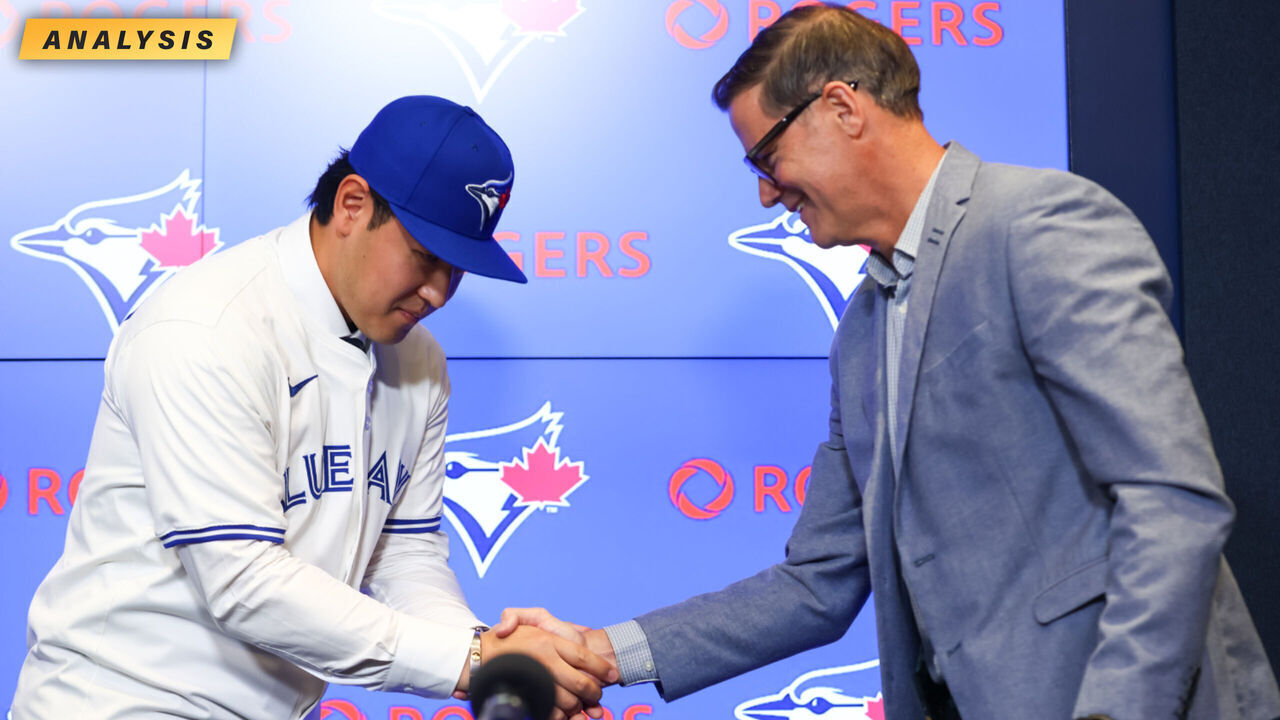
The Toronto Blue Jays unveiled Kazuma Okamoto on Tuesday, alongside his agent Scott Boras and general manager Ross Atkins, after the club inked the Japanese star to a four-year, $60-million contract.
Okamoto's signing took many by surprise, as the Blue Jays have been heavily connected to other big free-agent bats like Kyle Tucker, Bo Bichette, and Alex Bregman. Here are the biggest takeaways from Okamoto's press conference and what could come next for the reigning American League champs.
Note: After making a brief opening statement in English, Okamoto delivered his answers through a translator.
Where will Okamoto play defensively?
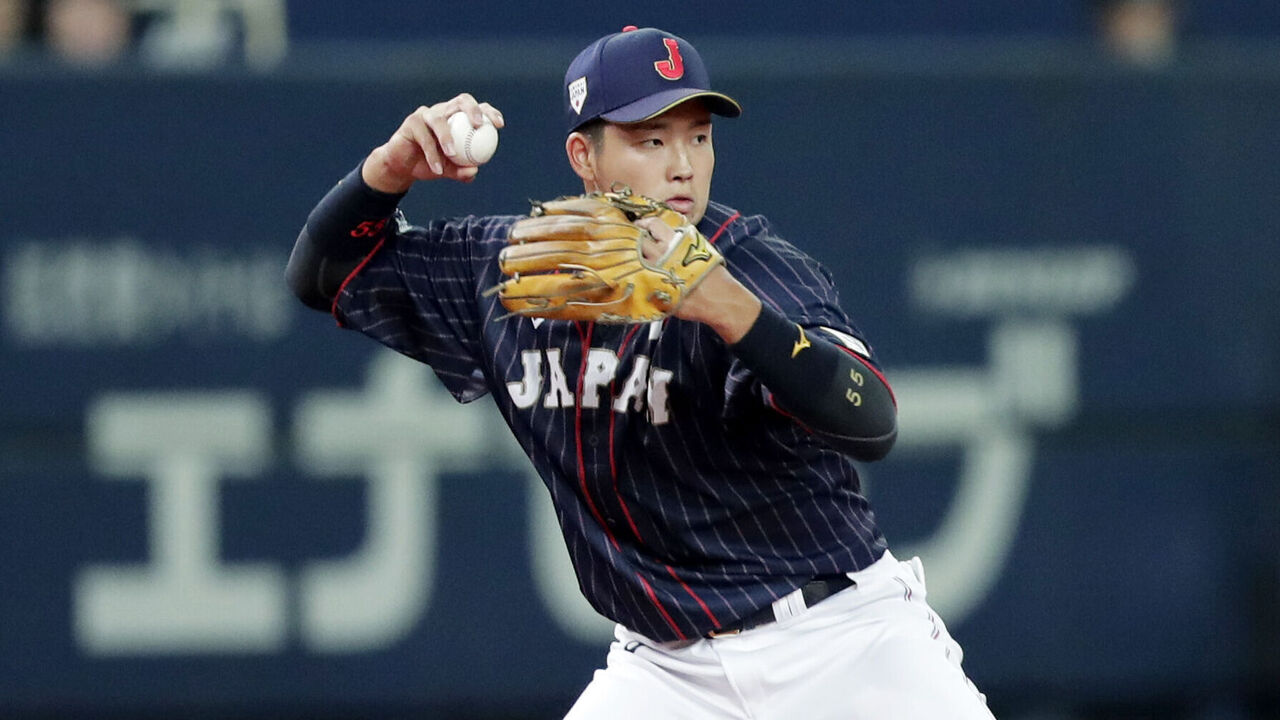
"He says he considers himself a strong player with strong batting skills, but when it comes to defense, he likes playing different positions, and he likes being a utility player." - Okamoto
"We're set up so that he could impact our organization from a defensive standpoint in several ways. We'll continue to have that dialogue with him, but his openness to put the team first is extremely attractive." - Atkins
Okamoto played the bulk of his 11-year career in Japan at both corner infield positions, with 835 games coming at third base and 519 at first base. He also has experience playing the corner outfield spots. Although Okamoto won two Gold Glove awards in Japan (2021, 2022), he's not projected to be an elite defender by major-league standards. However, he's not expected to be a liability, either. Clearly, the Blue Jays believe Okamoto is capable enough to play third base at least some of the time.
Toronto has built a roster full of versatile defenders, and by all accounts, it seems like Okamoto will move around to get his right-handed power bat in the lineup. The roster flexibility that other players bring should make life easier for manager John Schneider. Okamoto can split time at third base with Ernie Clement or Addison Barger, and occasionally spell Vladimir Guerrero Jr. at first base. The corner outfield spots are a little more clogged, especially with Anthony Santander's return to health, and depending on whether George Springer is used in the field in 2026. That gets even more complicated if the Blue Jays sign Tucker. Toronto has eight players on the 26-man roster who could potentially play the outfield.
Does Okamoto's signing take Blue Jays out of market for other FAs?
"You've heard me say probably too many times to count that we'll always be open to making our organization and team better if there's a way to do that. ... We do feel good about our team (right now).
"The one thing that I would add is that additions at this point will start to cut away at playing time from players that we feel are very good major-league pieces, so we have to factor that in. But we've always had incredible support from ownership." - Atkins
The Blue Jays have taken an aggressive approach this winter, spending $353 million in free agency on Okamoto, Tyler Rogers, Dylan Cease, Cody Ponce, while also retaining Shane Bieber through his exercised player option. Their luxury-tax payroll sits at around $308 million, and they have the second-highest payroll in MLB, behind only the Los Angeles Dodgers. As a result, Toronto projects to exceed the highest tax threshold, which carries the maximum financial penalties.
There's been an incredible investment from ownership this offseason, and there will be a point when the money runs out. But if you're the Blue Jays, it makes sense to be extra aggressive, especially when it comes to the position player side. Next year's free-agent class is especially weak for position players, so the Blue Jays could load up in 2026 and enter next offseason with much less work to do. With so many young players signing extensions now, there's going to be fewer and fewer of Tucker's caliber ever reaching free agency anymore. Toronto also has considerable money coming off its books after the 2026 campaign, with George Springer, Daulton Varsho, Kevin Gausman, Yimi García, and Bieber all on expiring deals. That's a pretty good argument for Atkins to keep spending.
Bichette and Tucker are the two remaining bats who make the most sense. Adding Bregman - a lifetime third baseman - feels too tough to make work as Okamoto, in all likelihood, will spend the bulk of his time at third. Bichette could theoretically slide in at second and cover at shortstop, while Tucker can be the long-term replacement in right field.
Though Atkins said he doesn't want to take away at-bats from some on the roster, adding Bichette or Tucker over any of those other players raises the team's ceiling. Bringing in either would also mean the Blue Jays can deploy the likes of Clement, Barger, and Nathan Lukes in platoon roles to get the most out of them. It could also open the door to trade some of those players for relief help.
What will Okamoto have to do to adjust to MLB?
"The offensive abilities are as dynamic as they come. It fits us very well. The contact ability against high velo, against all types of pitching, really, any caliber of pitching, he's been able to not only make contact, but drive the ball, which is about as good a compliment as we could ask for." - Atkins
The bulk of the Japanese players coming from NPB in recent years have been pitchers, but several prominent position players - such as Seiya Suzuki and Masataka Yoshida - have made the jump and found success in the majors.
Suzuki and Yoshida never replicated their gaudy numbers from Japan, but they still delivered solid production in their first MLB season.
The White Sox signed Munetaka Murakami earlier this winter. He's a player with incredible power, but his market somewhat collapsed due to significant concerns over the swing-and-miss in his bat. Although Okamoto is older and might not have the same ceiling as Murakami, his offensive profile feels like a safer bet. Okamoto had a 210 wRC+, 11.3 K%, and 15 home runs in 69 games last season, and he hasn't posted a strikeout rate above 18.8% over the previous six years. He also put up similar numbers to those of Suzuki and Yoshida during their respective seasons before coming over.
Okamoto said he's spoken with other Japanese players to understand the differences between the two leagues, and he's already working on making the necessary adjustments to ensure his power and overall offensive approach translate here.
Will Okamoto play in WBC?
"He feels honored to be able to wear the Japanese jersey and hopes to do that. Conversation is ongoing, but obviously, that's kind of where his feeling is.
"He has a lot of things to consider and a lot of worries logistically about that. " - Okamoto
Okamoto certainly has a tough decision. He has the security of a four-year deal in Toronto, and Atkins has said that the organization fully supports players competing in the World Baseball Classic. Still, Okamoto's Blue Jays tenure must get off to a strong start, and missing a large chunk of spring training is tough to justify when juggling a new country, language, team, and league.
Further complicating matters, Japan will host its first three games in Tokyo, unlike the other three groups that play in either the U.S. or Puerto Rico, ahead of knockout games in Houston and Miami. If Japan makes the final, Okamoto would have less than 10 days at the Blue Jays' camp before Opening Day.
Okamoto was part of Japan's gold-medal-winning WBC team in 2023 and is expected to be a core piece if he plays in March.
Boras continues to boast about Blue Jays
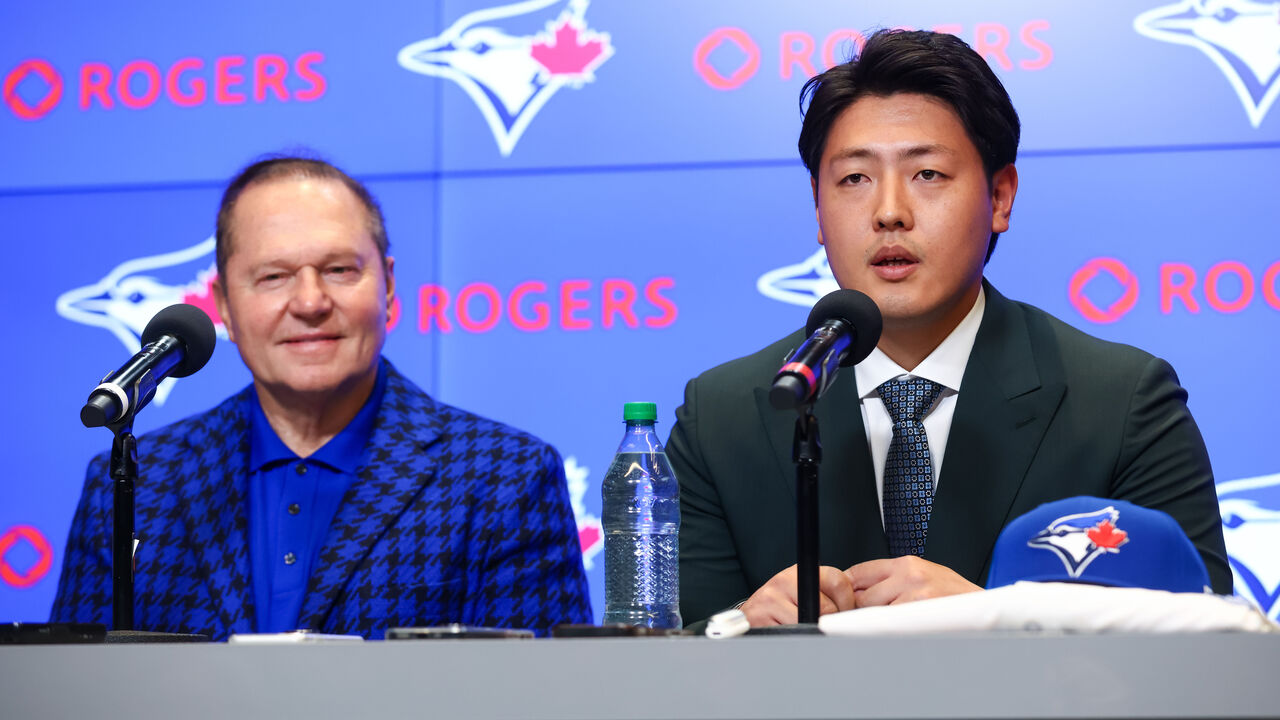
"When you walk around the facility as it exists today, you see their spring training (complex), Toronto has become a something in the league that is not (just) one of a premier franchises, but they've become a state-of-the-art example for player sports science. ... They're at the forefront of so many things - of leadership and player training, advancement, development - and we're starting to see the culmination of this now rewarded in performance and standings and competitiveness at the major-league level." - Boras
There was a time when Boras had no problem taking shots at the Blue Jays' front office, but those days appear long gone. Okamoto and Dylan Cease are Boras clients, and the agent was again highly complimentary about what the franchise has built in recent years.
Toronto has spent more than half a billion dollars on renovating the Rogers Centre and its spring training complex. The investments are clearly starting to pay off, whether it's additional revenue for the team or benefits for the players on and off the field.
While Tucker and Bichette aren't represented by Boras, free agents like Bregman, Cody Bellinger, and Ranger Suarez are, as is next year's top free agent, Tarik Skubal. The most money usually wins in the end when it comes to free agency, but it never hurts to have a strong relationship with the most powerful agent in the sport.