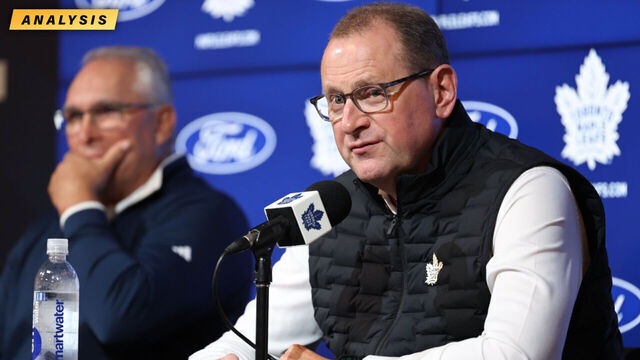
Brad Treliving is out as general manager of the Toronto Maple Leafs after three years. Toronto is set to miss the playoffs this season for the first time since 2016 and has one of the bleakest outlooks of any team in the NHL. So, where did it all go wrong?
We break down three pivotal moments in Treliving's tenure that ultimately led to the team's demise and his own exodus.
Handling the Marner situation
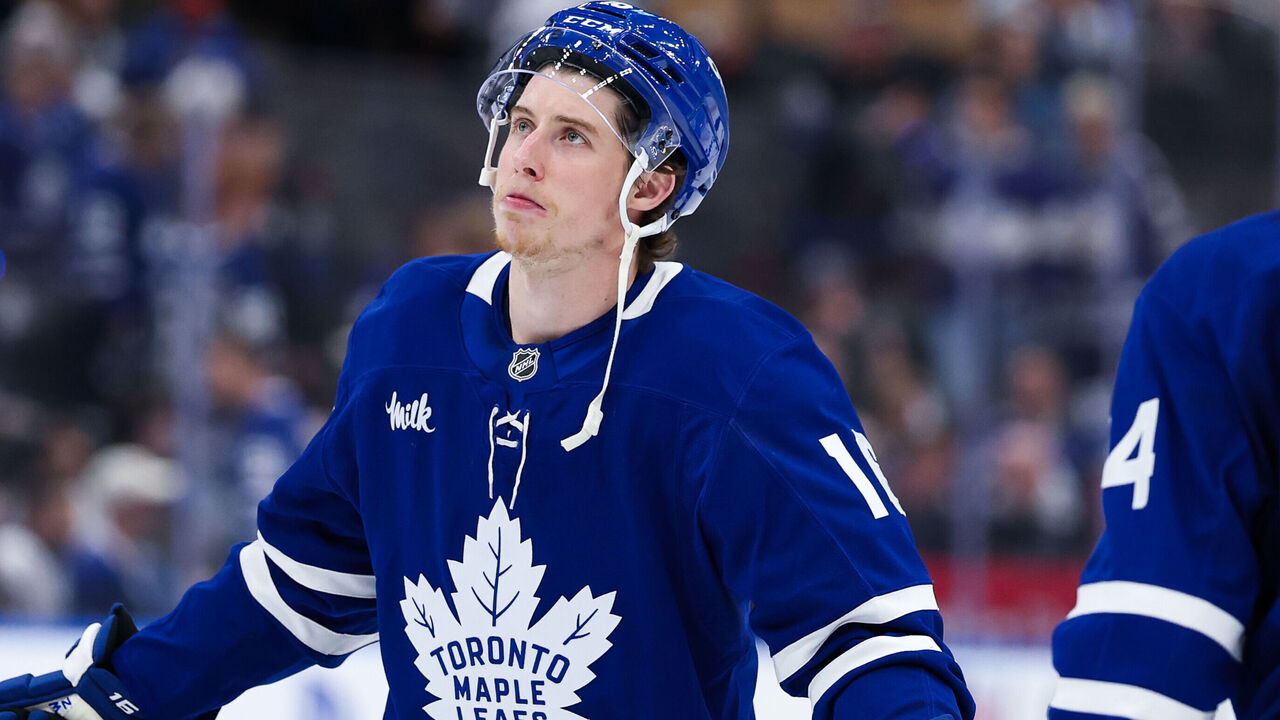
Treliving was hired May 31, 2023, giving him exactly one month before Mitch Marner's full no-movement clause kicked in. Clearly, that was the time to trade him, but Treliving appeared to have no interest in doing so. Former team president Brendan Shanahan is mostly to blame, as he was reportedly the driving factor behind keeping the Maple Leafs' core together.
Still, Treliving is at fault as well. He could've pushed for change that was so clearly needed. He could've inquired about what was available and brought potential offers to his boss. But there seemed to be none of that, indicating that Treliving didn't have much of a plan.
He reportedly spoke to the Vegas Golden Knights about a Marner trade in the 2024 offseason, but Vegas rejected his request for Shea Theodore in return. Prior to the 2025 deadline, Treliving attempted to send the winger to the Carolina Hurricanes in a three-way deal that would've brought Mikko Rantanen to Toronto, but Marner vetoed the move.
As a pending unrestricted free agent, Marner eventually joined the Golden Knights in a sign-and-trade last offseason, netting the Leafs third-liner Nic Roy, whom Treliving ultimately dealt to the Colorado Avalanche for a 2027 first-round pick and a 2026 fifth-round pick. Given the context, each move was fine individually, but the situation never should've reached that point. Simply put, good GMs don't allow star players to leave for minimal returns.
2025 deadline: Desperate and disastrous
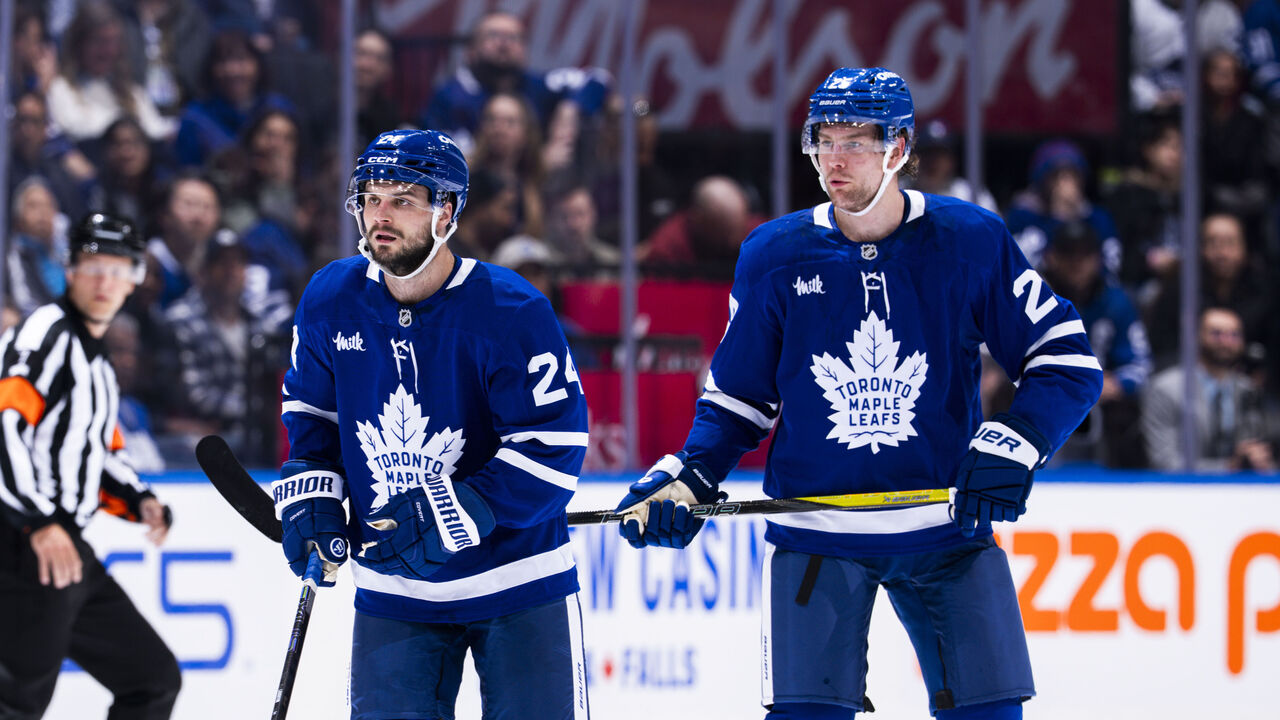
Before the trade deadline, the 2024-25 campaign was going extremely well for Toronto. Its stars were producing. Treliving's marquee offseason additions - Chris Tanev, Oliver Ekman-Larsson, and Anthony Stolarz - were exceeding expectations. And the team was en route to a division title.
But the club had two significant holes: the need for a sturdy right-shot defenseman to play alongside Morgan Rielly and a defensive-minded third-line center to round out the bottom-six forward group. Treliving became desperate to fill them both.
The Maple Leafs then sent a 2027 top-10 protected first-round pick and prospect Nikita Grebenkin to the Philadelphia Flyers for forward Scott Laughton and a pair of late-round picks. Laughton proved to only be a fourth-line center and was subsequently traded at this year's deadline for a third-round pick, which becomes a second-rounder if the Los Angeles Kings make the playoffs.
After acquiring Laughton, Toronto sent prospect Fraser Minten, a 2026 top-five protected first-round pick, and a 2025 fourth-round pick to the Boston Bruins for defenseman Brandon Carlo. The defenseman did fill a need for the Leafs and helped stabilize Rielly's game down the stretch and into the playoffs, but he clearly wasn't enough of a difference-maker to justify the cost. Carlo has struggled in 2025-26, while Minten has enjoyed a solid rookie season as Boston's third-line center. Plus, the Leafs are at risk of giving a premier draft pick to a division rival. The trade reeked of desperation, considering most first-rounders that get moved are top-10 protected and the deal was reportedly made within minutes of the deadline.
Treliving's tenure will largely be defined by those two trades - and what those first-round picks ultimately turn into.
Sticking with Berube
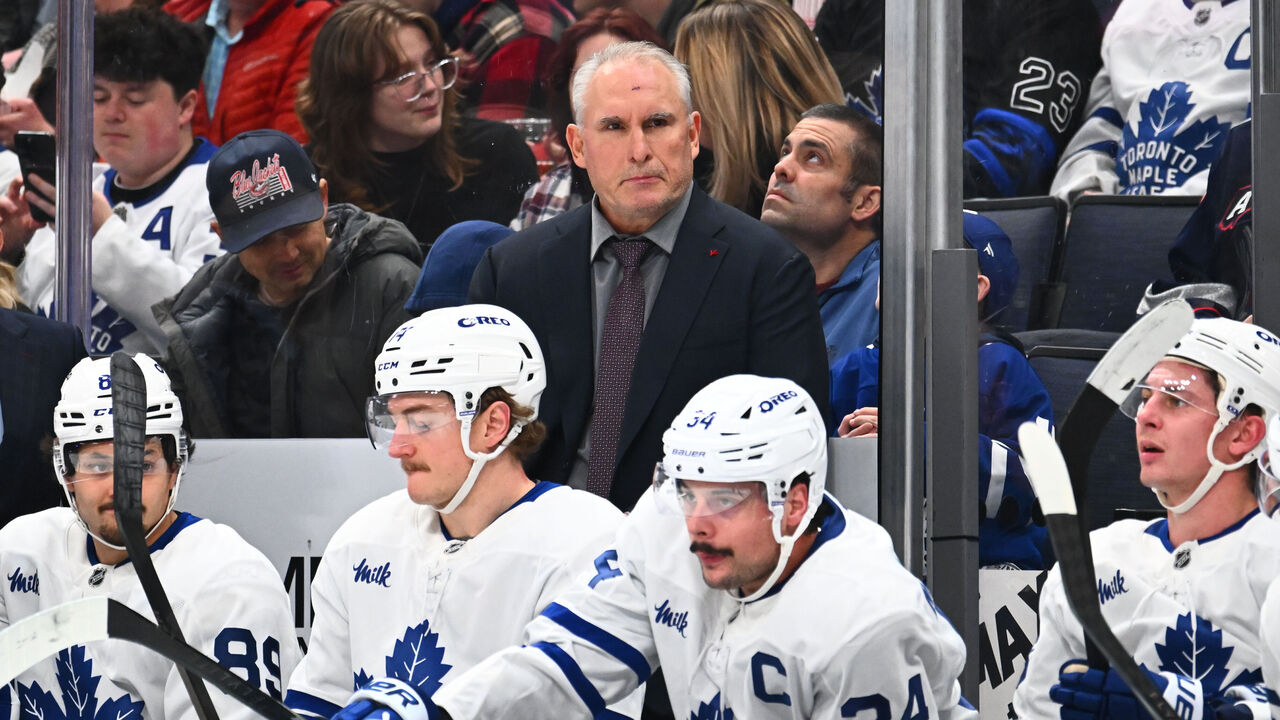
It's entirely possible that the 2025-26 Maple Leafs were doomed no matter what, but Treliving's lack of inactivity was inexcusable. They got off to a bad start in October - customary for Toronto - but it should've been apparent that change was necessary after the team failed to turn things around in November.
The easiest way to shake things up in the NHL is a coaching change. Firing Berube early in the year would've been completely justifiable despite his success the year prior. During the 2024-25 campaign, the Leafs rode an opportunistic offense and elite goaltending, finishing third in the league in PDO. This year, much of that luck ran out. Horrendous possession numbers and sloppy defensive play came back to haunt them.
The coaching-change bump is very real. Just look at the Columbus Blue Jackets, who are 19-5-5 since replacing Dean Evason with Rick Bowness in January. Again, there's no guarantee Toronto would've turned things around with a new voice, but it couldn't have hurt to try and salvage the season while still possible. Heck, even Vegas had the guts to fire Bruce Cassidy - who led them to a Cup just three seasons ago - with eight games left despite holding a playoff spot. There's a reason the Golden Knights contend annually. They take action. Treliving clearly didn't throughout his tenure.