Meet the Prospects: Linebackers
The linebacker position is constantly evolving in the National Football League. For years it was all about stopping the run, and while that still may be an important part of the role, that's far from their only focus.
If you can't rush the passer effectively and be solid in pass coverage to go along with stuffing the run, it's going to be a challenge to earn playing time on a consistent basis. With more and more teams employing pass-first offenses with a heavy dose of the tight end, linebackers need to be versatile.
The fact that the position requires such versatility makes for differing styles of play under the broad term linebacker. Playing in the middle has far different responsibilities than the outside at the weak or strongside positions, and so much depends on whether the defense uses a 4-3 or 3-4 scheme.
For the purposes of this piece, we are going to separate them into two categories - Outside and Inside. Based on team needs, differentiating between the two is critical for how the prospect will fit into your system.
Here's a look at the standouts leading up to May's draft.
Inside Linebackers
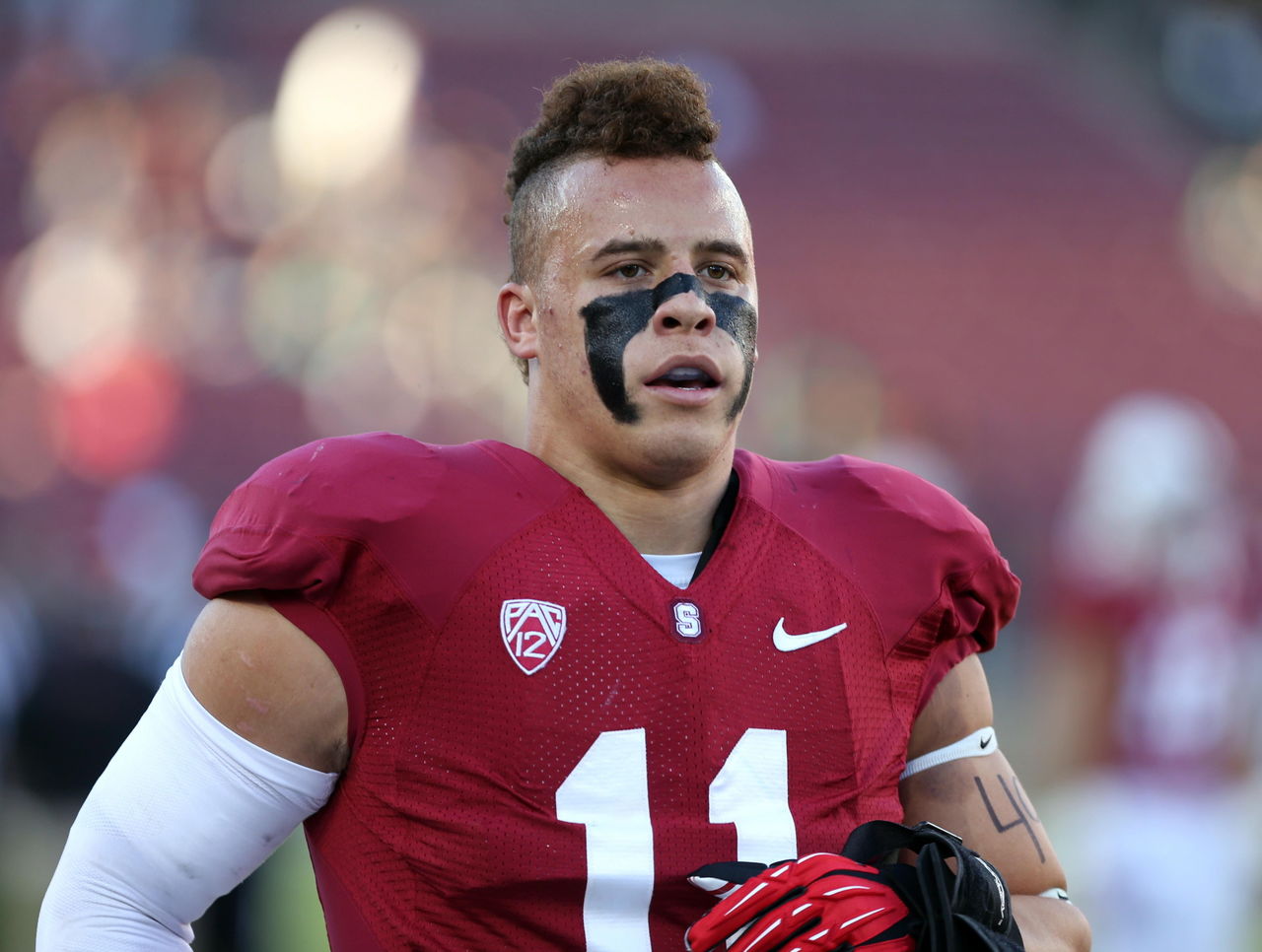
5. Shayne Skov, Stanford
Measurables
- 6'2"
- 245 lbs.
Strengths
Skov plays with great aggression and does a tremendous job of shooting gaps and making plays in the backfield.
He shows good patience when one-on-one with scrambling quarterbacks in space, not committing too early and limiting big gains.
Skov is an effective blitzer and knows how to time his rush well with the quarterback's cadence.
Weaknesses
Injuries are a concern when it comes to Skov, as he tore his ACL in 2011 and has had multiple knee surgeries.
Skov is not great in coverage and may struggle at the next level against athletic backs and tight ends.
NFL player comparison: James Laurinaitis
Ideal Fit: Houston Texans
Brian Cushing is coming off major injuries in each of the last two seasons, and while Skov's injury history isn't perfect either, he should provide the team with some depth and insurance in the short-term. Skov figures to go in the third or fourth round, allowing the Texans to address other more pressing needs first.
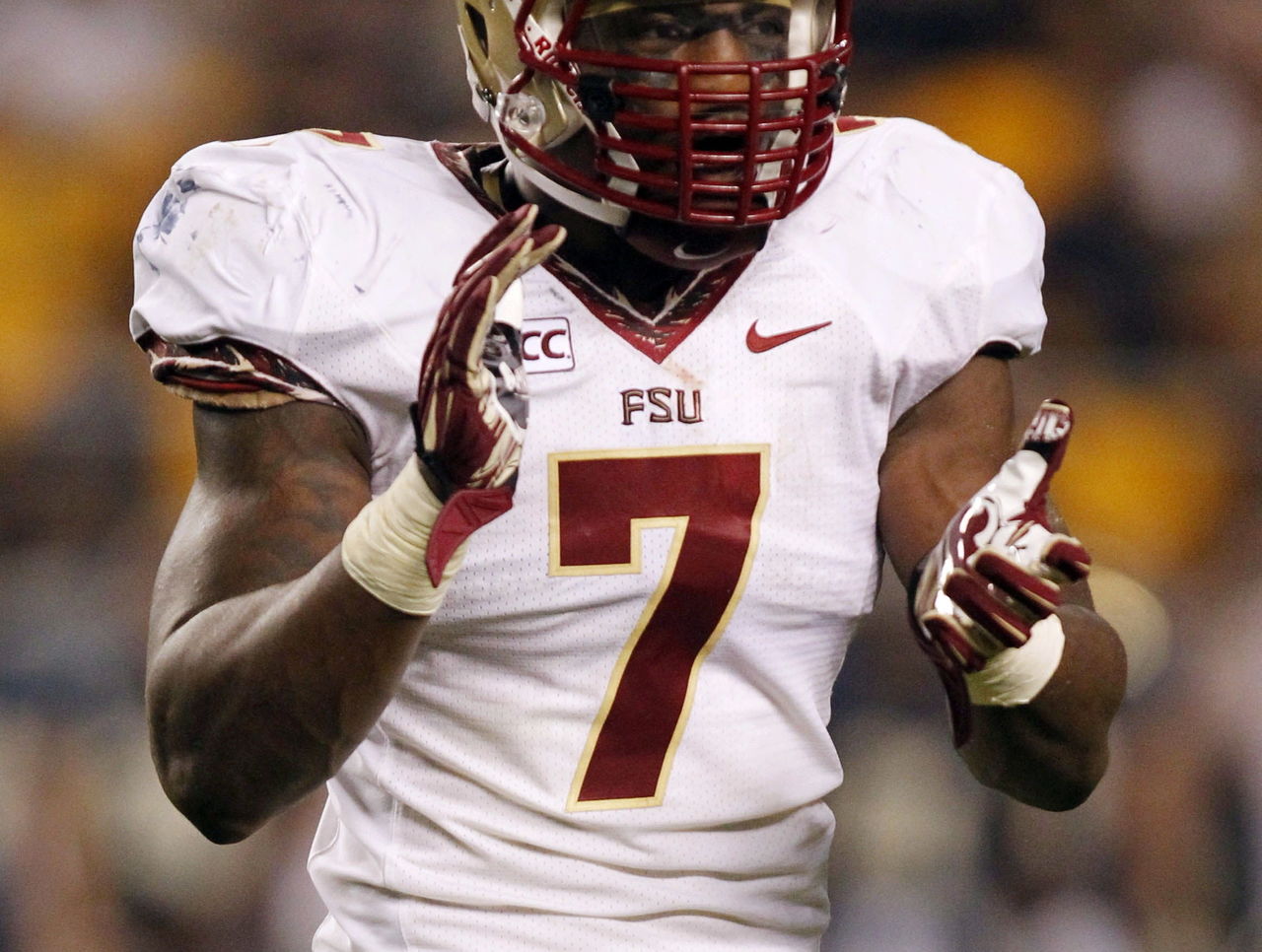
4. Christian Jones, Florida State
Measurables
- 6'3"
- 240 lbs.
- 4.74 speed
Strengths
Jones showed great flexibility at Florida State, playing all three linebacker spots and even some defensive end. His athletic ability allows him to do it as he has the length that can make him dangerous rushing the quarterback.
Jones plays a physical style and doesn't need to come off the field in passing situations, as he's comfortable in coverage down the field. He can even be an asset on special teams until he learns enough about the pro defensive scheme to become a regular contributor.
Weaknesses
Jones' length helps him in wrapping up the ball carrier, but it can also cause him to play too upright and get muscled around.
He has a tendency to avoid blocks at times, instead of meeting them head on.
NFL player comparison: Luke Kuechly
Ideal Fit: Washington Redskins
London Fletcher is headed for retirement and Perry Riley is going to need help to patrol the middle of the field. The Redskins don't have a first round pick and have a lot of holes to fill. If they're lucky, Jones will be still be sitting there in the fourth round.
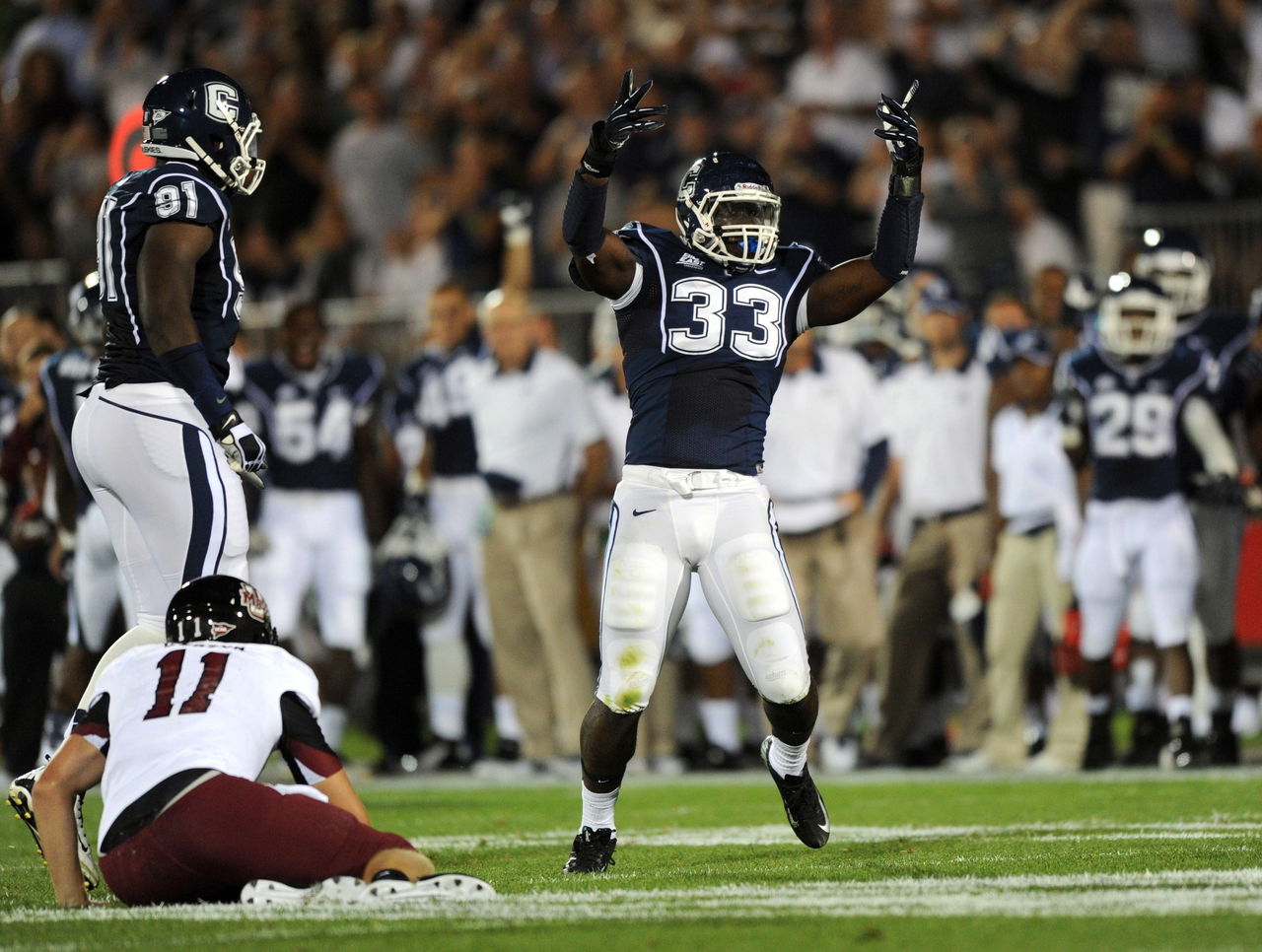
3. Yawin Smallwood, Connecticut
Measurables
- 6'2"
- 246 lbs.
- 18 reps - bench press
Strengths
Smallwood does a good job avoiding traffic and blockers, which allows him to make adjustments and track down the ball carrier.
He's good enough athletically to play in coverage and recorded 17 passes defensed in three years at Connecticut.
Smallwood is an above average pass rusher and blitzer from the middle of the field and often disrupts the quarterbacks rhythm on his dropbacks.
Weaknesses
Smallwood can get caught looking into the backfield and become fooled in play-action situations, leaving him out of position.
He's not a big hitter and isn't the type of player that's going to create a lot of turnovers or force fumbles. Smallwood uses a more conservative approach trying to ensure he secures the tackle, rather than delivering a jarring blow.
NFL player comparison: Karlos Dansby
Ideal Fit: Arizona Cardinals
Arizona lost Karlos Dansby in the offseason and they'll need to replace him to keep pace in the difficult NFC West. Seattle and San Francisco ranked second and third respectively in total rushing attempts in 2013, so limiting yardage on the ground is paramount for the Cards. Smallwood doesn't figure to make it past the third round and Arizona shouldn't risk passing on him.
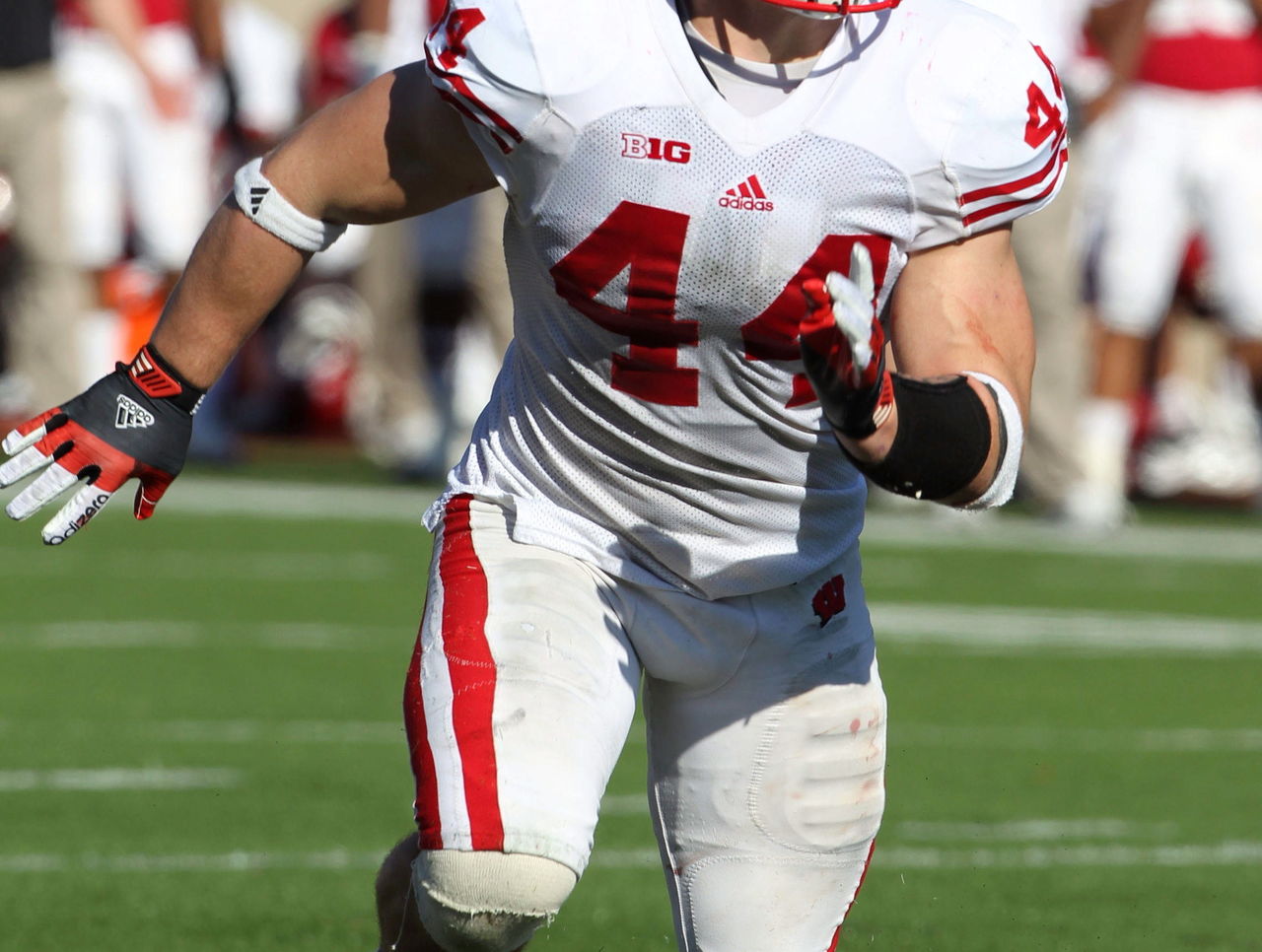
2. Chris Borland, Wisconsin
Measurables
- 5'11"
- 248 lbs.
- 4.83 speed
Strengths
Borland is a tackling machine and he posted 358 of them in the past three years at Wisconsin. He's got a good motor and is a throwback middle linebacker that is a true run stopper.
He does a good job of stopping runners in the hole, putting the offense behind in the down and distance. Borland totaled 50 tackles for loss in his collegiate career. He shows good lateral movement across the line of scrimmage.
Weaknesses
Borland's lack of length is a concern as it can lead to some missed tackles. He has average athleticism and struggles to escape the blocks of bigger offensive linemen. He may need to play behind a solid defensive tackle at the next level that can occupy interior linemen and keep him clean.
NFL player comparison: Jerrell Freeman
Ideal Fit: Chicago Bears
No team was worse against the run last season than the Bears as they struggled to replace Brian Urlacher. D.J. Williams and Lance Briggs battled injuries, so spending a second-round pick on Borland would be wise. He would easily fit the image of the Bears' defense that has been a staple of the organization for years.
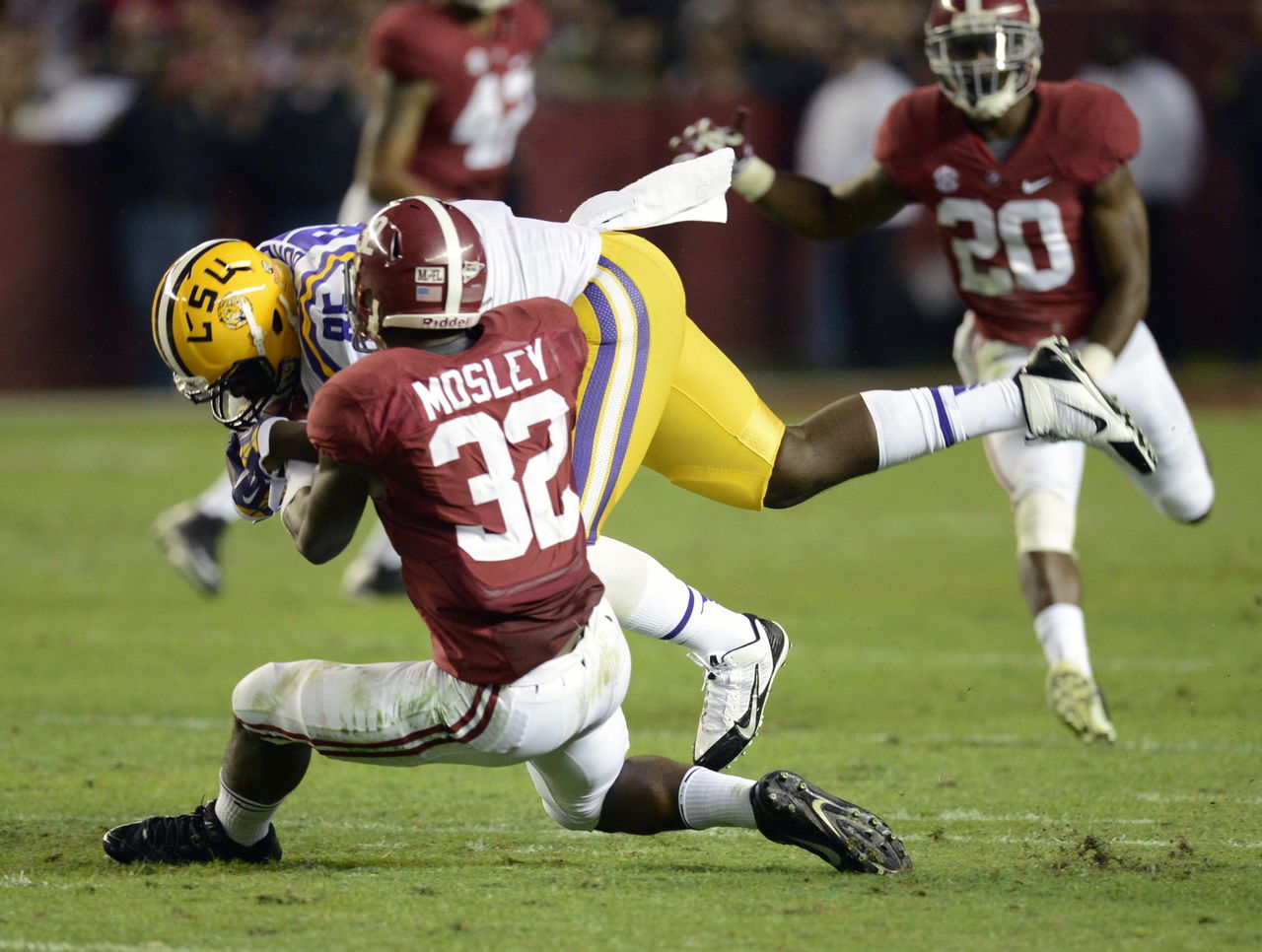
1. C.J. Mosley, Alabama
Measurables
- 6'2"
- 234 lbs.
- 35" vertical
Strengths
Mosley does an excellent job coming under control when making a tackle and wraps up well, while avoiding diving or lunging at the ball carrier. He's posted over 100 tackles in each of his past two seasons at Alabama.
Mosley shows good discipline and doesn't jump into the backfield out of control on running plays. He maintains sight of the ball carrier behind the offensive line and attacks the appropriate running lane.
Mosley is responsible in coverage and does a good job of limiting cheap yardage on dump off plays to the running back.
He has the type of football IQ that allows him to be the quarterback of the defense and ensures his teammates are lined up in the correct position.
Weaknesses
Mosley is slightly undersized to play middle linebacker in the NFL and that could cause additional wear and tear on his body. He has already dealt with a number of injury concerns in college relating to his elbow, hip, and shoulder.
While his coverage skills are good when marking backs out of the backfield, dealing with tight ends down the field isn't a strength.
NFL player comparison: NaVorro Bowman
Ideal Fit: Green Bay Packers
The Packers are well stocked at the outside linebacker positions, but could use an infusion of talent up the middle. Mosley could go as high as the top 15, so there is a good chance Green Bay would have to move up a few places to get him. The Pack finished 25th against the run last season giving up 2,000 yards on the ground, and Mosley would be a good first step in getting things turned around.
Outside Linebackers
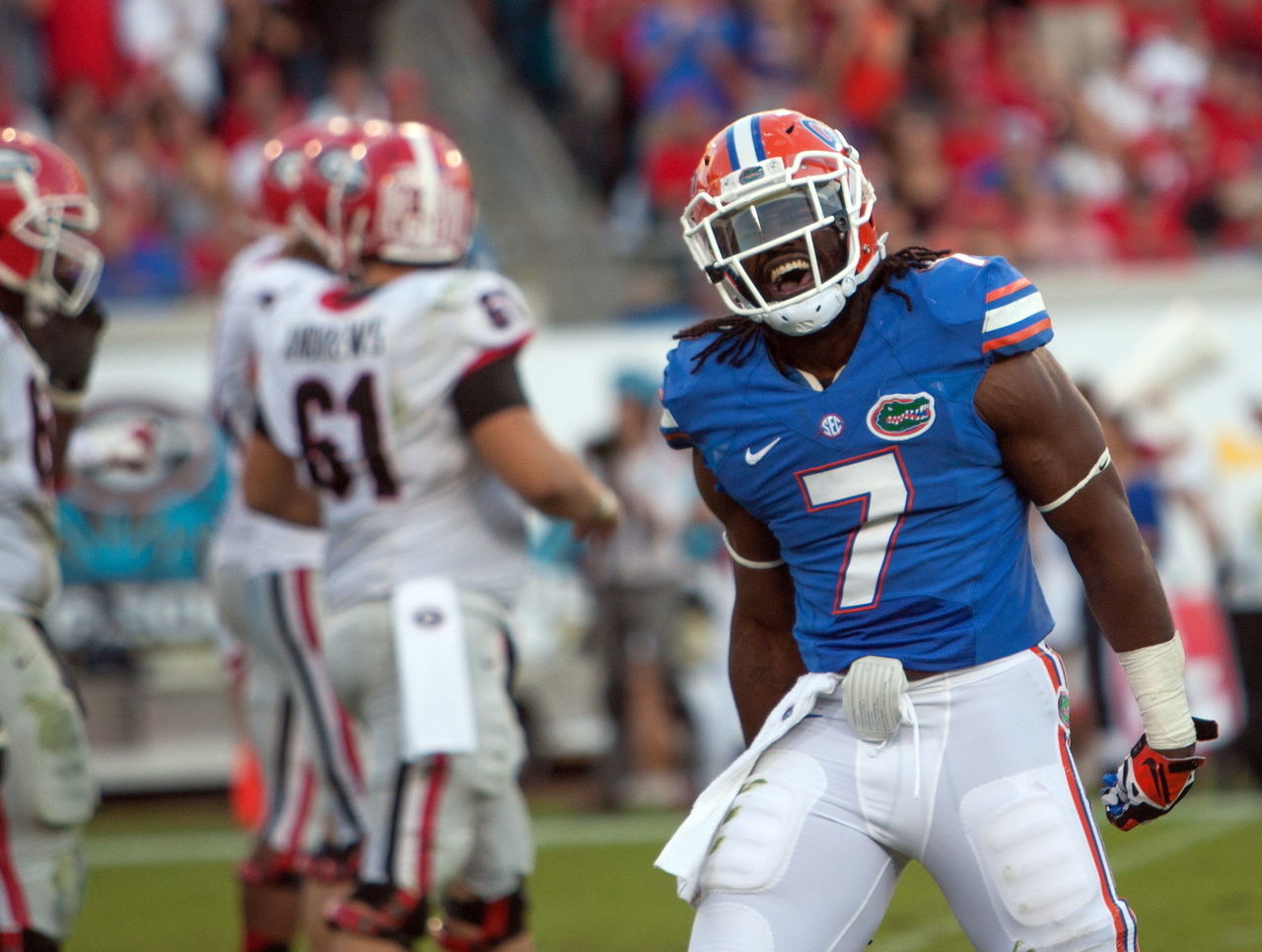
10. Ronald Powell, Florida
Measurables
- 6'3"
- 237 lbs.
- 4.65 speed
Strengths
Powell shows a good first step and gets into the backfield quickly. He takes good angles to the ball carrier and often forces the quarterback to throw before he's ready.
He has a good motor and doesn't quit on plays run to the opposite side of the field. Powell is disruptive and avoids being picked up by running backs in blitz situations.
Weaknesses
Powell has a tendency to play too tall at times and tackles high, which can lead to missed stops when he comes up against bigger backs.
He tore his ACL twice in 2012 and even though he returned for a strong 2013 campaign, teams will want to make sure he is clear of any permanent issues there.
NFL player comparison: K.J. Wright
Ideal Fit: Detroit Lions
The Lions spent a lot of money on the offensive side of the ball in free agency, so they will need to address defensive issues in the draft. Powell should be a third or fourth round pick and would be a nice addition to the linebacking corps. He would be an effective blitzer and well protected behind that strong Lions defensive line.
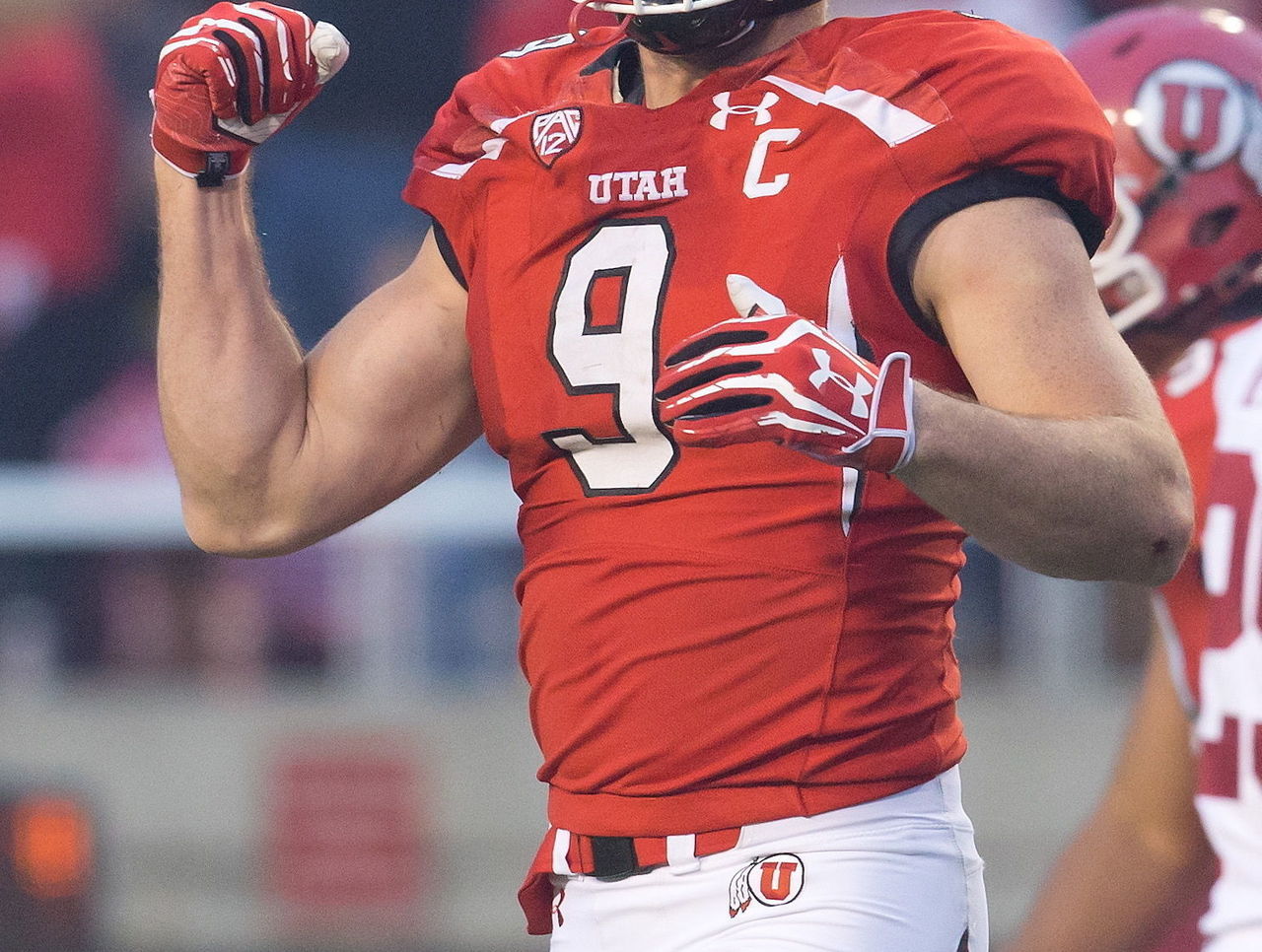
9. Trevor Reilly, Utah
Measurables
- 6'5"
- 245 lbs.
- 26 reps - bench press
Strengths
Reilly is good against the run and is able to chase down plays on the back side because of his hustle.
He always seems to find the football, both knocking passes down and forcing fumbles. Reilly was credited with eight forced fumbles in the past three seasons and nine passes defensed.
He's a strong tackler and avoids getting swallowed up by blockers in traffic.
Weaknesses
Reilly's athletic ability isn't as high as some of the other linebackers in his class, which could pose a problem in man coverage against tight ends at the next level.
He has a history of knee issues and suffered a torn ACL his junior year. Reilly also had an arthroscopic procedure on the same knee in January and will be 26 when he makes his NFL debut.
NFL player comparison: Jamie Collins
Ideal Fit: New Orleans Saints
The Saints clearly want to get younger on defense, as evident by the release of several long-time New Orleans defenders this offseason. Reilly, a potential third rounder, would fit that philosophy and give Rob Ryan another weapon to work with as he continues to rebuild the Saints' defensive unit.
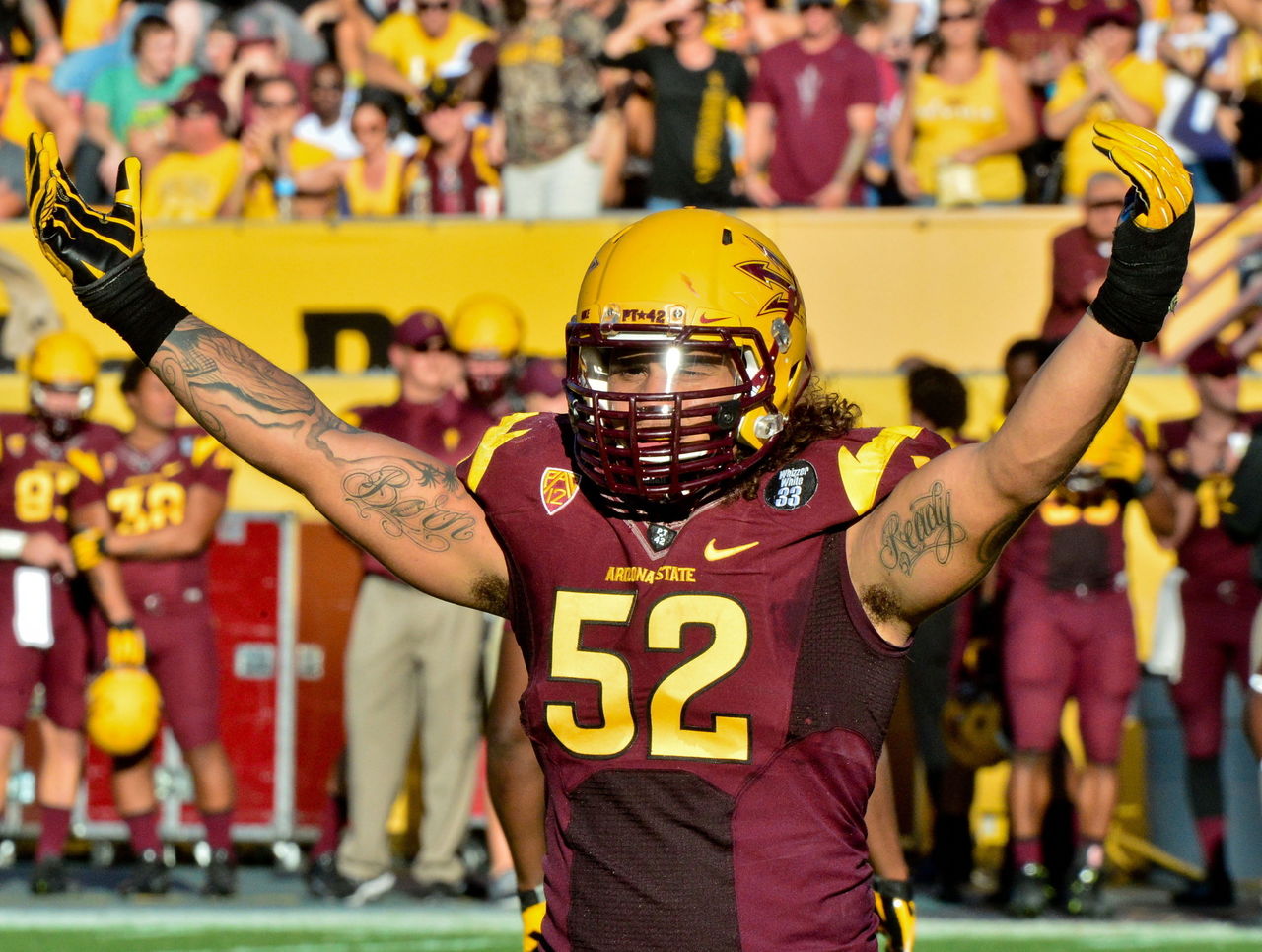
8. Carl Bradford, Arizona State
Measurables
- 6'1"
- 250 lbs.
- 4.76 speed
Strengths
Bradford is versatile and could play defensive end, as well as outside or inside linebacker. He's likely destined for the outside spot in a 3-4 system though, giving him the option to rush the quarterback frequently.
He shows good ability to shed blocks and scrape down the line of scrimmage to make plays against the run.
Bradford has good timing on his blitzes, especially when involved in stunts to the inside.
Weaknesses
Bradford's a little undersized to be going up against pro tackles in one-on-one pass rushing situations. He can get stonewalled if he doesn't make a good initial first move.
His over aggressiveness can be a disadvantage. He bites on read option or play action fakes on occasion, putting him out of position.
Bradford was suspended for the second half of a game against Oregon State on Nov. 16 after a skirmish with teammates, so he needs to keep his emotions in check.
NFL player comparison: James Harrison
Ideal Fit: Philadelphia Eagles
The Eagles' defense rounded into form after a rocky first half of the season in 2013, but that doesn't mean they shouldn't be looking to add depth on that side of the ball during the draft. Bradford could play behind Connor Barwin and Trent Cole while learning Philly's scheme. He would be a nice pickup in the third or fourth round and defensive coordinator Bill Davis could make the most out of Bradford's versatility.
7. Adrian Hubbard, Alabama
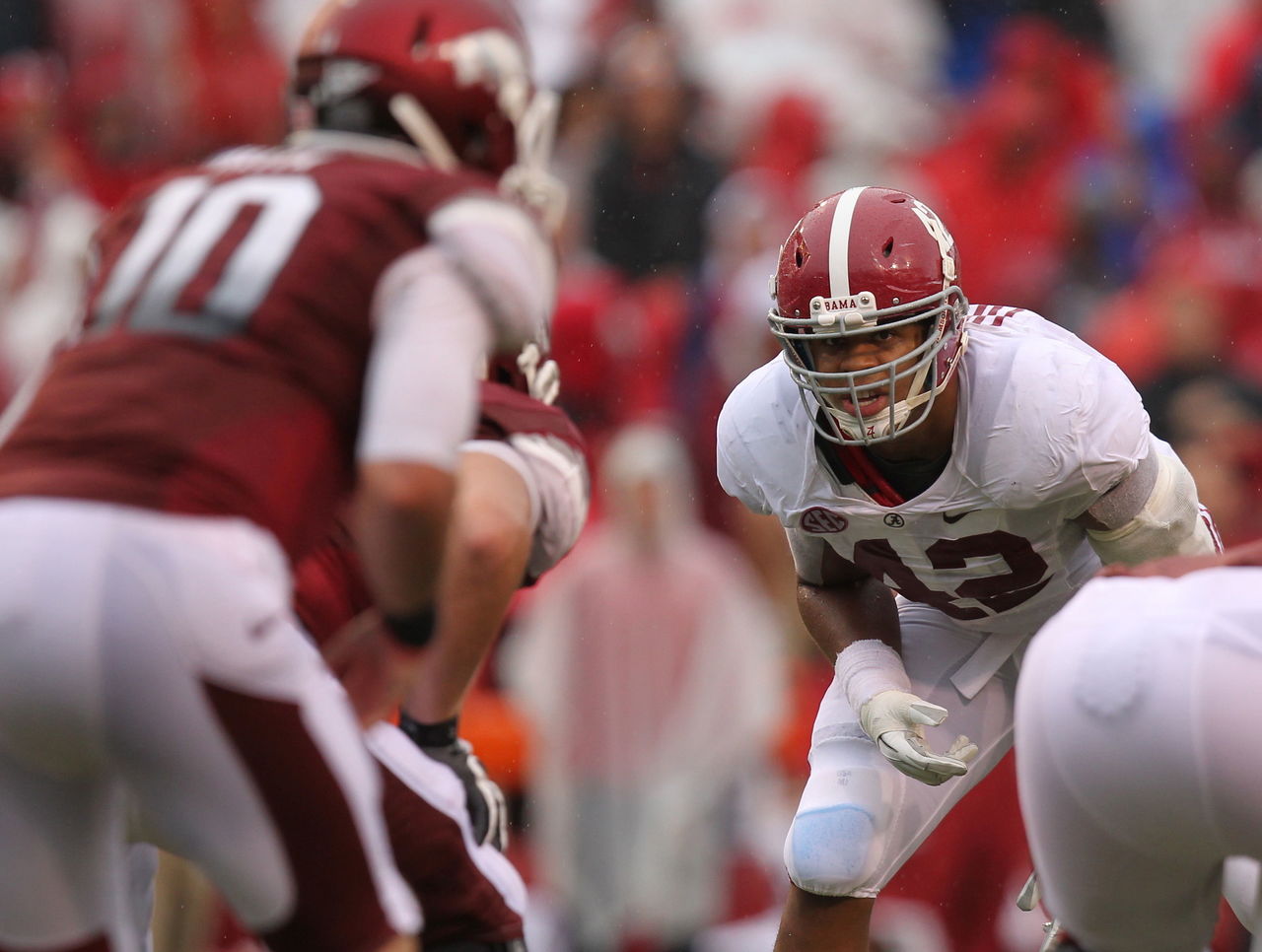
Measurables
- 6'6"
- 257 lbs.
- 4.69 speed
Strengths
Hubbard's size is his biggest asset as an outside backer, as his length can be a difference maker when it comes to bringing down the ball carrier. He will also surprise offensive tackles with his strength and power moves off the ball.
Hubbard improved his ability to shed blocks in 2013 and no longer gets muscled off the line of scrimmage by tight ends. He's solid against the run and can play in coverage when he needs to. Hubbard has a chance to be an every down backer in the pros.
Weaknesses
Hubbard can get lost in space at times and doesn't always locate the ball quickly. He can get hesitant on misdirection plays and in play-action situations, causing him to be a non-factor on some snaps.
NFL player comparison: Aldon Smith
Ideal Fit: Jacksonville Jaguars
Hubbard figures to be plucked in either the third or fourth round and the Jaguars would be smart to use a selection on him to help upgrade their defense. He would be an excellent compliment to proficient tackler Paul Posluszny. Head coach and defensive guru Gus Bradley should be able to maximize Hubbard's talents.
6. Trent Murphy, Stanford
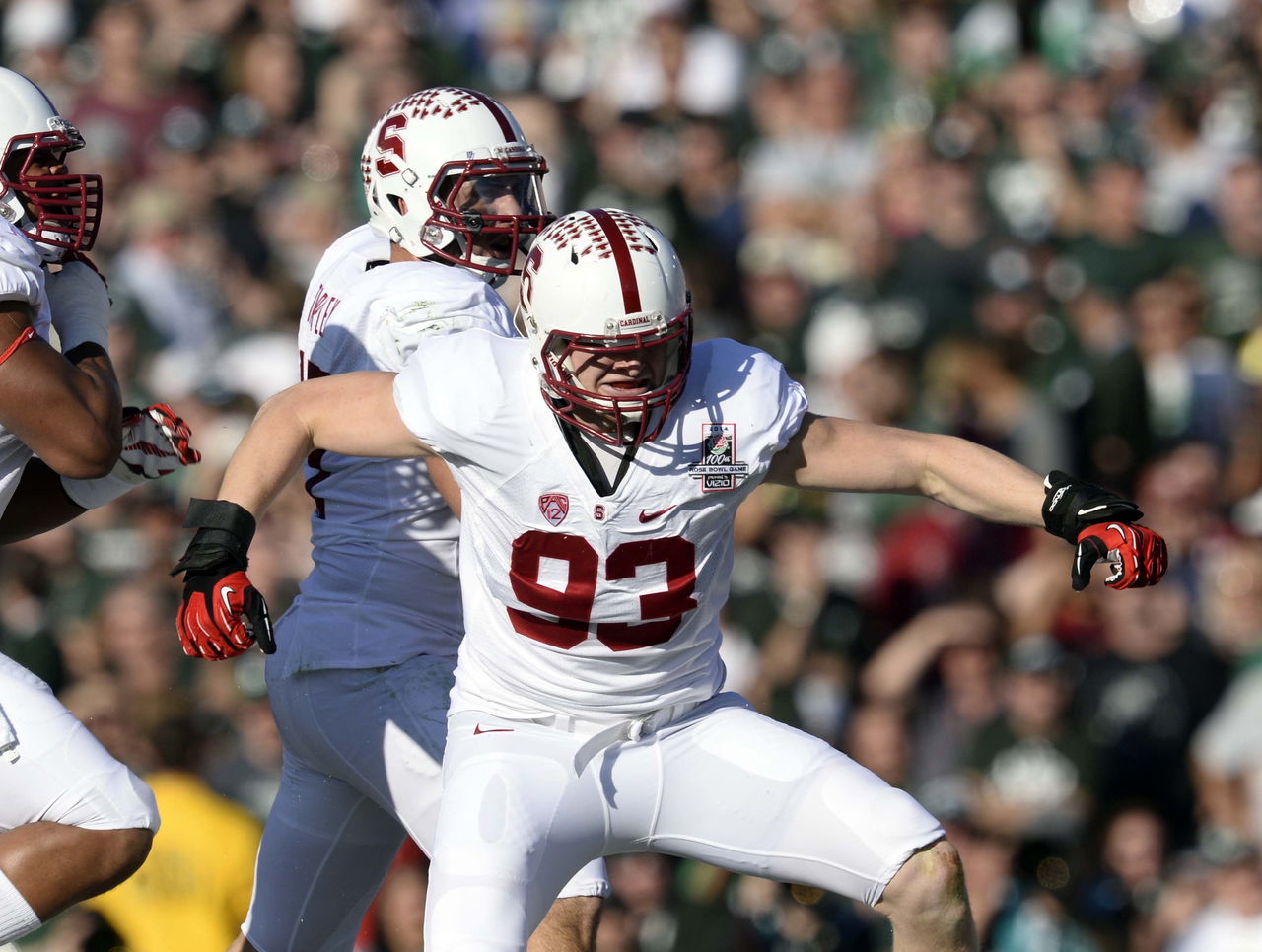
Measurables
- 6'5"
- 250 lbs.
- 4.86 speed
Strengths
Murphy led the nation in sacks with 15 as a senior and can get to the quarterback with regularity. He has a knack for deflecting passes at the line of scrimmage by timing his jumps well.
He avoids getting chipped by tight ends and backs at the line of scrimmage. Murphy is a hard worker that can make tackles on second effort after getting initially blocked.
Weaknesses
Murphy's size is a concern as he doesn't have ideal bulk for a defensive end and lacks the speed to be an every down outside linebacker.
He can be a liability in coverage when matched up with speedy backs and tight ends. Murphy would likely be limited to snaps in obvious pass rushing situations as a rookie.
NFL player comparison: Bruce Irvin
Ideal Fit: Chicago Bears
The Bears were dreadful last season when it came to taking down the quarterback and Murphy could be had potentially as late as the third round. Lamarr Houston and Jared Allen were added in the offseason to bolster the pass rush, but Murphy could easily work into the rotation now that Julius Peppers is gone. He has the blue collar mentality that would work well on Chicago's defense.
5. Jeremiah Attaochu, Georgia Tech
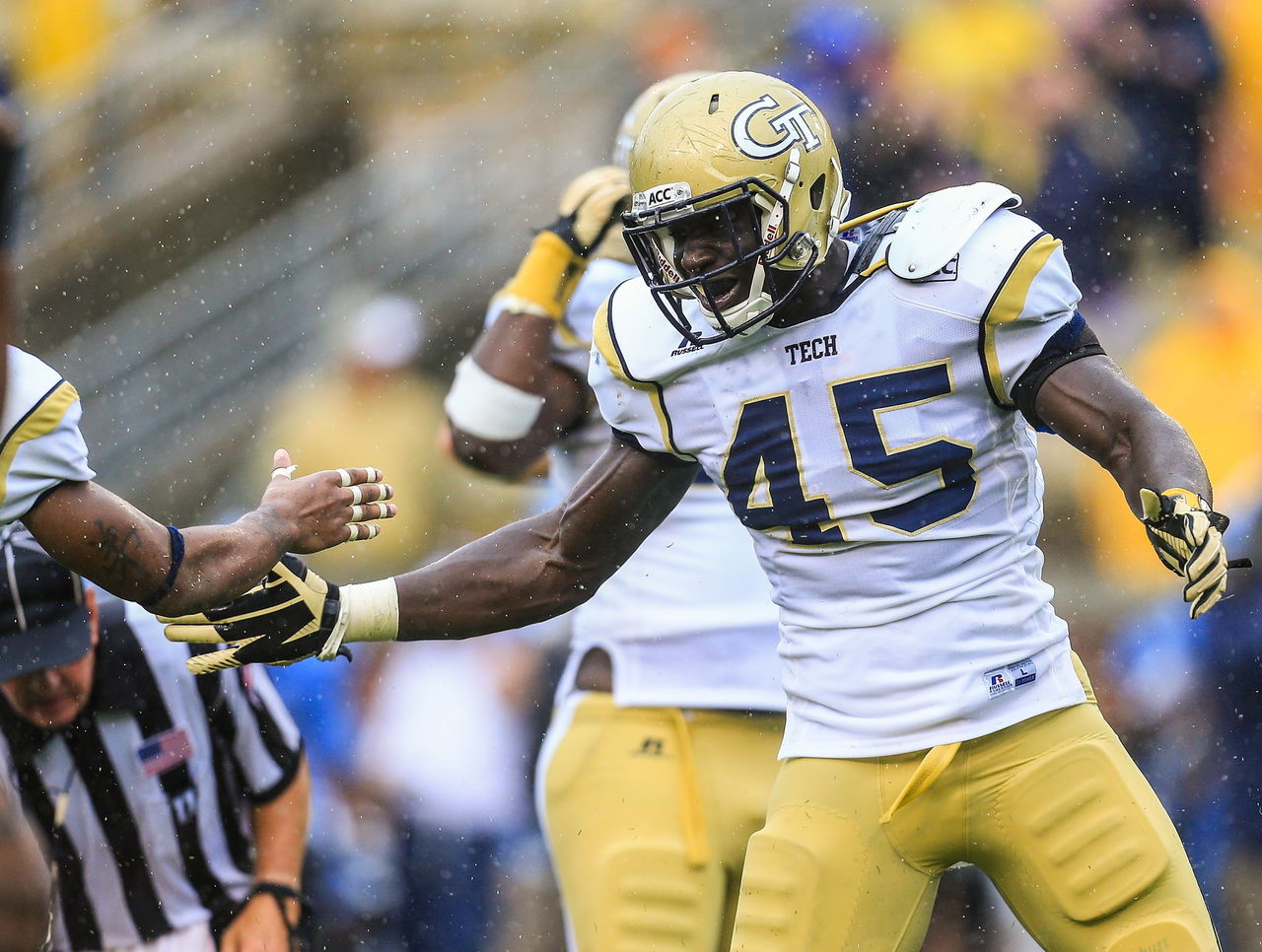
Measurables
- 6'3"
- 252 lbs.
Strengths
Attaochu does a good job of defending tosses and sweeps while not losing contain on the edge. He has a quick first step coming off the ball and can rush the quarterback from the inside as well.
Dropping into zone coverage is something Attaochu has shown he is capable of, and with NFL teams running a high volume of zone blitzes, that will be an attractive attribute for organizations looking to draft him.
Weaknesses
Attaochu needs to improve on his strength as he can get blocked easily on occasion when dealing with bigger offensive linemen. He can also get lost in traffic around the line scrimmage and lose his rushing lane.
He can get fooled on play action from time to time and needs to do a better job of using his hands to knock balls down on pass attempts.
NFL player comparison: Nick Perry
Ideal Fit: Tennessee Titans
Ray Horton will be moving the Titans to a 3-4 and he is going to need edge rushers on either side. Attaochu could fill one of those spots and figures to come off the board late in the third round.
4. Kyle Van Noy, BYU
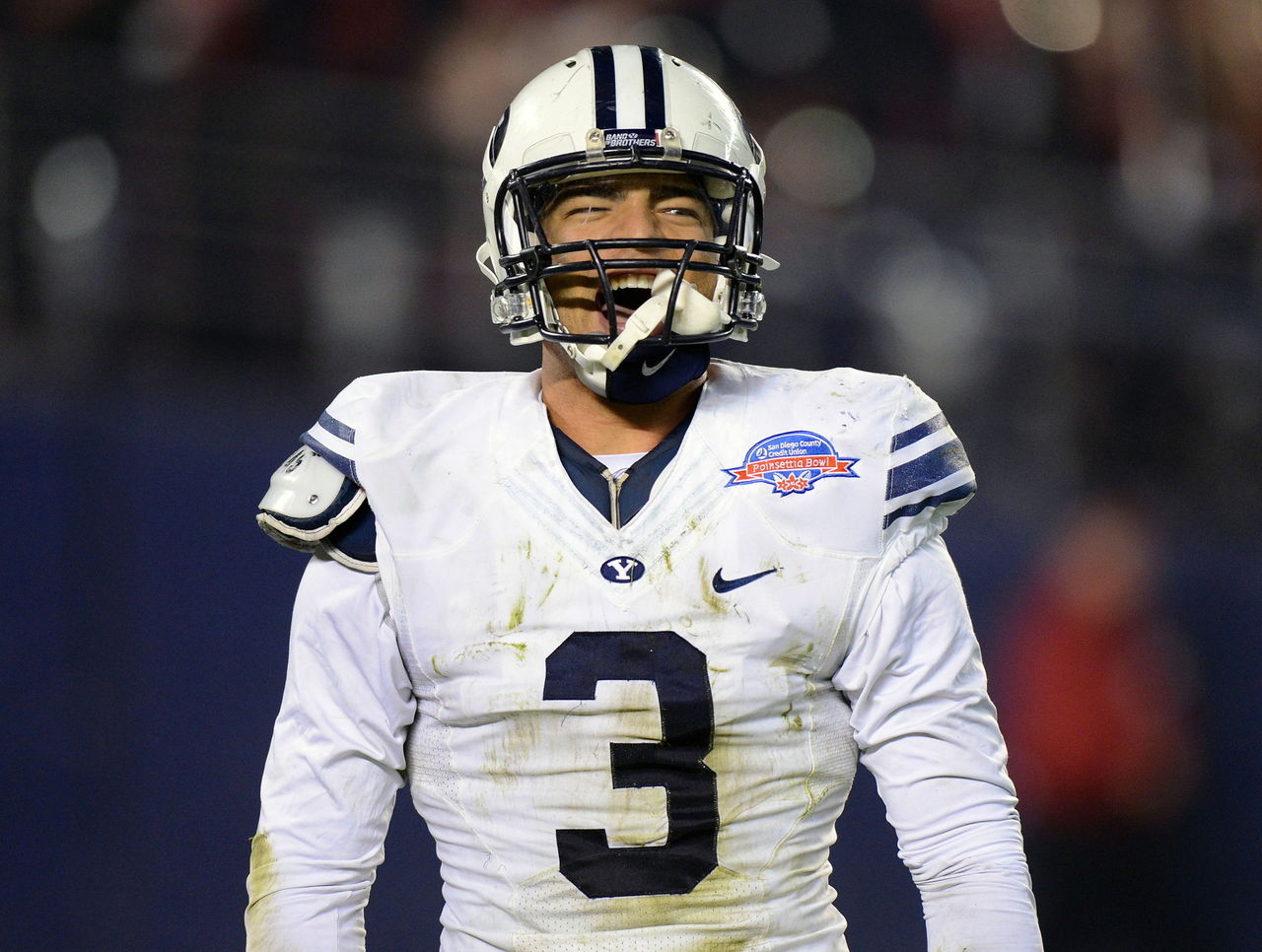
Measurables
- 6'3"
- 243 lbs.
- 4.71 speed
Strengths
Van Noy uses his hands well to swim through blockers in pass rushing situations. When he gets blocked, Van Noy does an excellent job of getting his hands in the passing lanes to bat down balls. He has the skill set to play in a number of different schemes and formations.
Van Noy is strong in coverage and posted seven interceptions in his career at BYU. He also has a nose for the end zone when he gets the ball in his hands, returning two of the aforementioned picks for scores and another three fumbles to the house as well.
Weaknesses
He could improve on his athleticism and at times he lacks aggressiveness in run defense. Van Noy can have a tendency hesitate in running lanes instead of attacking the gap.
He's not a dominate tackler and needs to avoid lunging at the ball carrier instead of breaking down in proper position.
NFL player comparison: Lavonte David
Ideal Fit: Denver Broncos
Peyton Manning's historic season hid a sub-par Broncos' defense last season. The team has brought in plenty of talent in free agency on that side of the ball, but they lost linebacker Wesley Woodyard to the Tennessee Titans. Van Noy has a good shot to go late in the second round right where Denver would be selecting. He would be a nice fit playing behind DeMarcus Ware.
3. Ryan Shazier, Ohio State
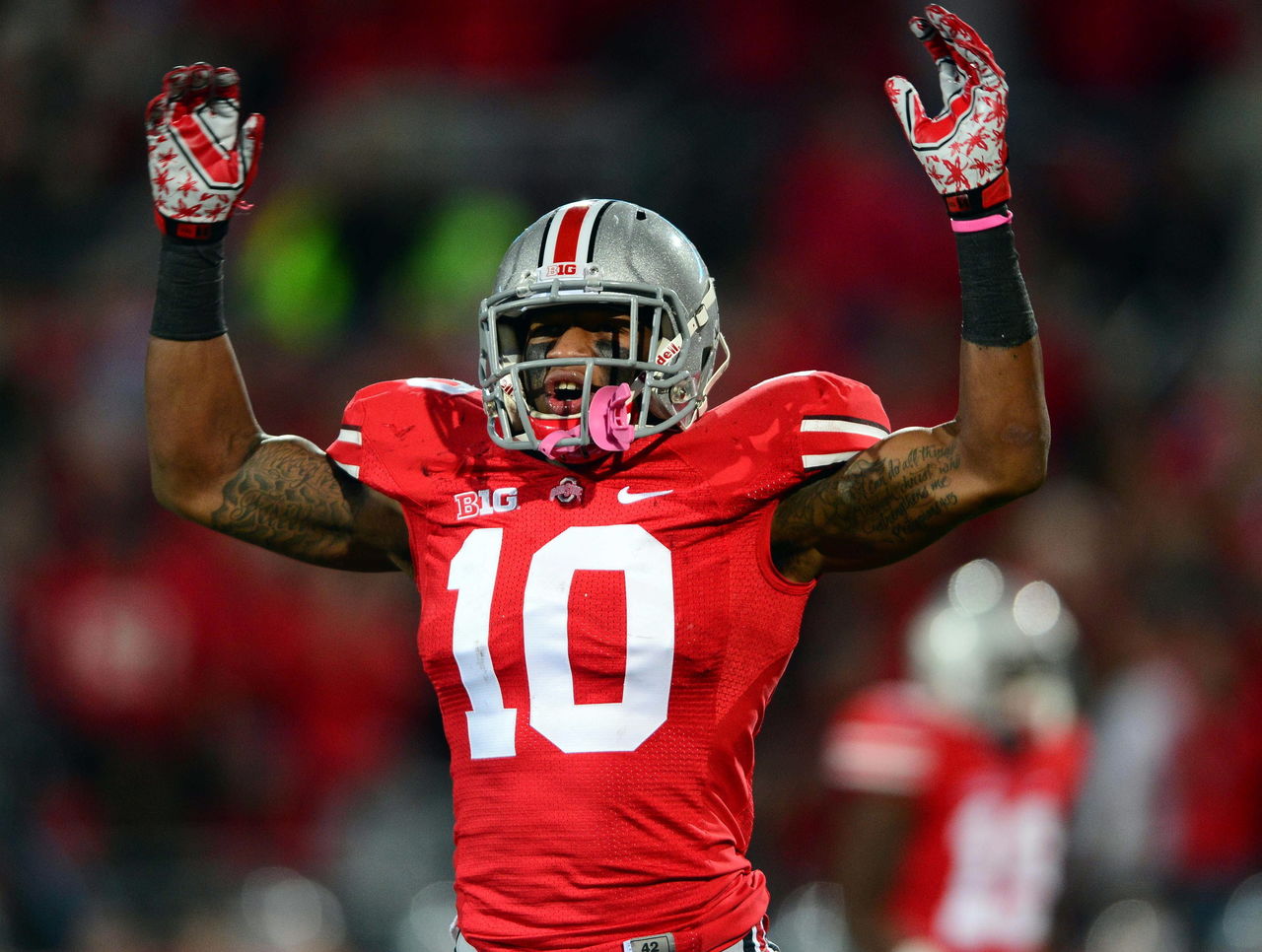
Measurables
- 6'1"
- 237 lbs.
- 42" vertical
Strengths
Shazier moves well sideline to sideline and finished first in the Big Ten with 143 tackles. He shakes blockers well and is a tremendous blitzer.
Shazier's biggest asset is that he is an every down linebacker and won't need to come off the field. He has the range to cover the tight end or backs running a pattern. He's a strong tackler that doesn't give up much hidden yardage after contact.
Weaknesses
Shazier has a tendency to over pursue and lose contain in some situations. He needs to better balance his aggressiveness with proper timing.
Shazier lacks bulk and that could get exposed in a 16-game season with plenty of bumps and bruises on his frame.
NFL player comparison: Kiko Alonso
Ideal Fit: New England Patriots
The Patriots let Brandon Spikes go in free agency and although Shazier primarily plays on the outside, he could slide inside if needed. New England had a below average defense last season and they pick late in the first round, right where Shazier is projected to land.
2. Anthony Barr, UCLA
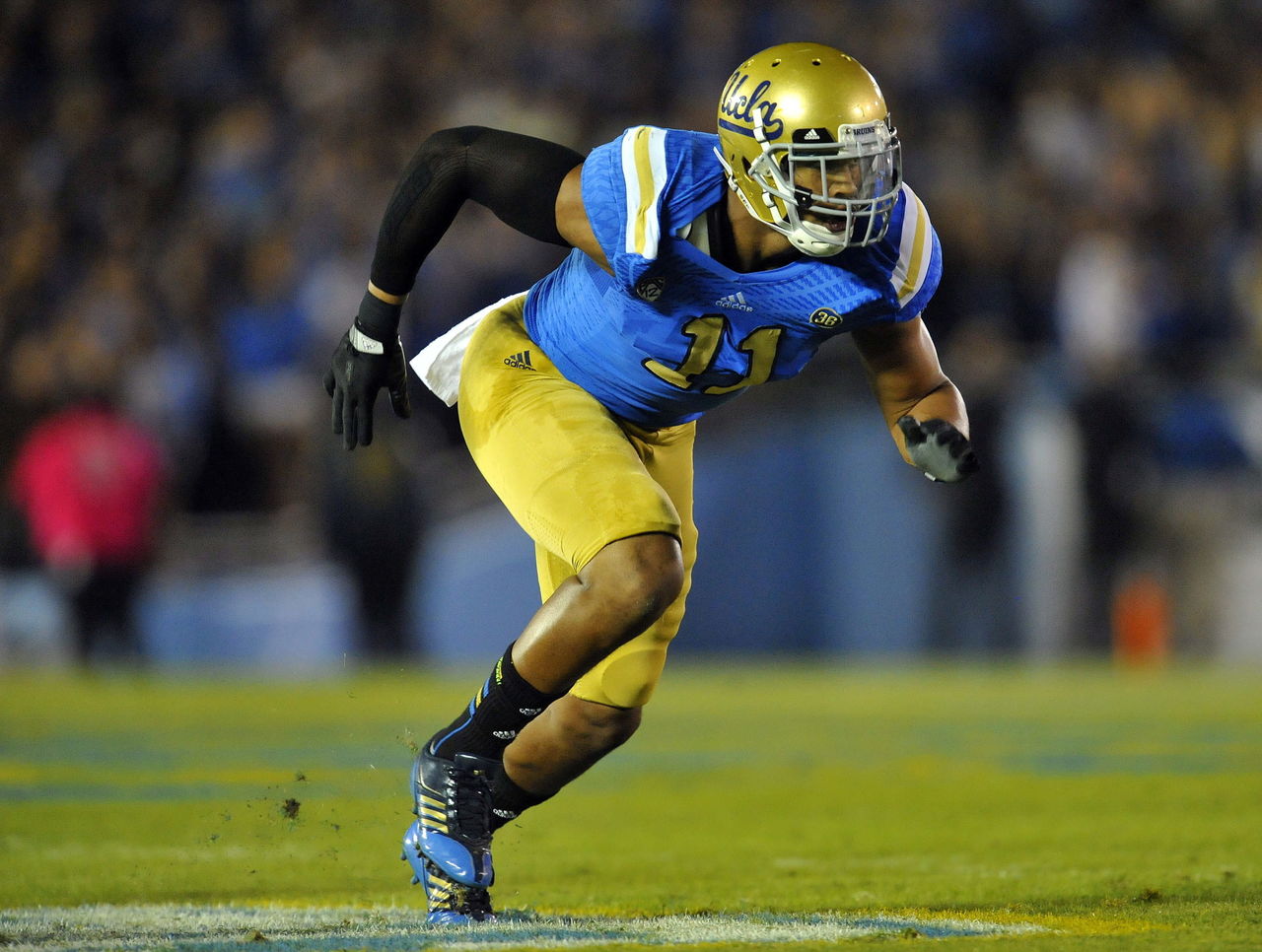
Measurables
- 6'5"
- 255 lbs.
- 4.66 speed
Strengths
Barr explodes off the ball with power and can put blockers on their heels when rushing the passer. He recorded 10 sacks for the Bruins in 2013 and was able to overcome constant double teams.
Barr has the speed to catch up to backside plays and close to make the tackle, as well as the ability to recover if he over-pursues the running back in the back field.
He has the versatility to be a pure pass rusher at the next level or play in space if need be.
Weaknesses
There are some concerns that Barr needs a bit more polishing. He spent the first two years of his UCLA career on offense at running back, so he still needs to grow somewhat with his understanding of the linebacker position.
Barr could improve on his run defending as he doesn't play low enough at times, allowing him to be moved off the ball far to easily be blockers.
NFL player comparison: Brian Orakpo
Ideal Fit: Dallas Cowboys
Even though Barr's likely to be gone when the Cowboys pick at 16 in the first round, they might consider moving up a few spots to grab him. Dallas finished dead last in total defense last season, and Barr's versatility would be a huge asset. He could take some of the pressure off Sean Lee on the inside and replace some of the sacks the team will no doubt lose due to the departure of DeMarcus Ware.
1. Khalil Mack, Buffalo
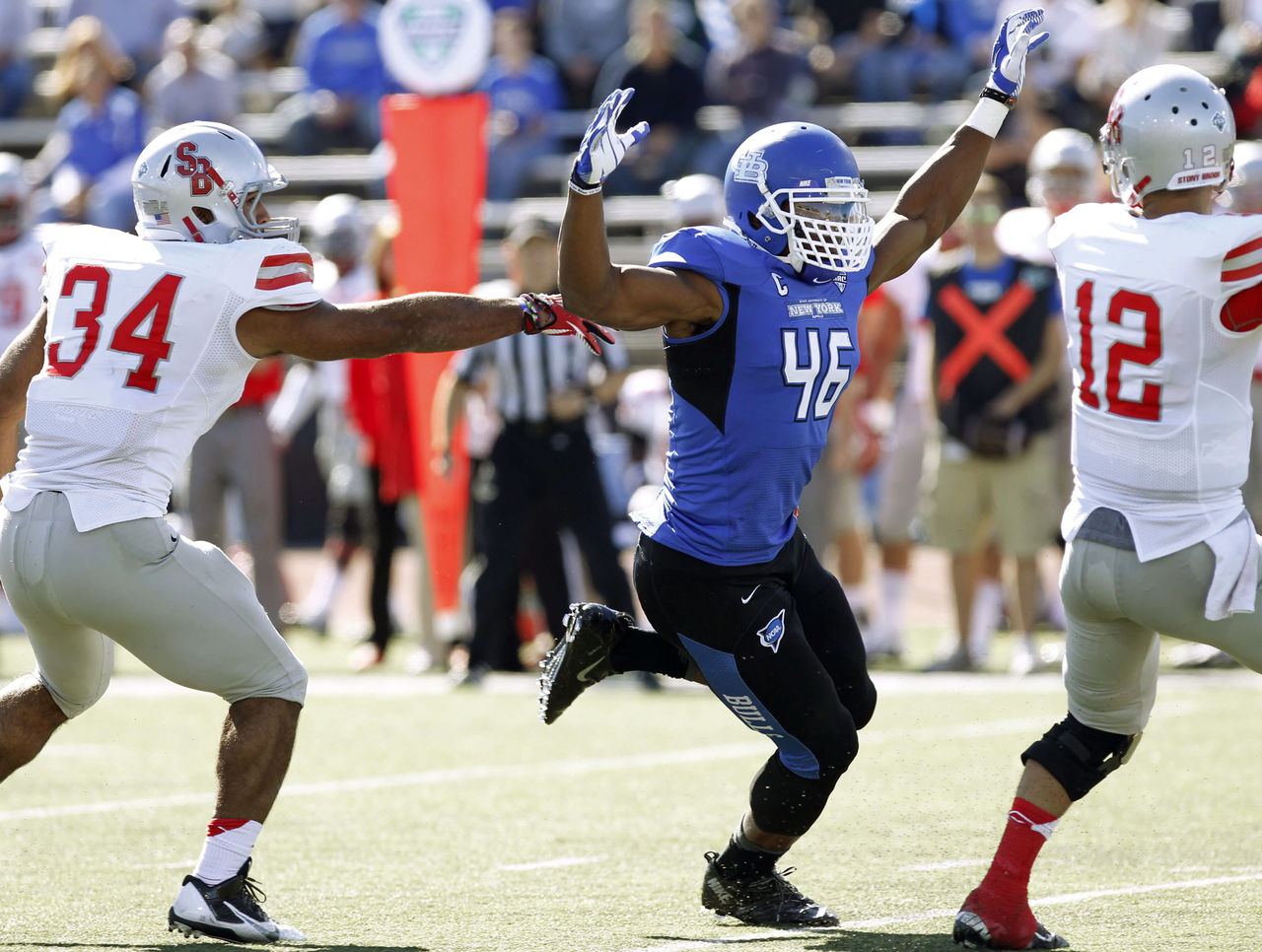
Measurables
- 6'3"
- 251 lbs.
- 4.65 speed
Strengths
Mack has tremendous power that he combines with a quick first step to penetrate the backfield and create havoc. Look no further than his FBS record 16 forced fumbles and 75 tackles for loss (tied with Jason Babin).
Mack's ability to locate the football should translate well into the pros with more and more teams using some form of the read option. He has an innate ability to recognize play action and close on the quarterback with speed.
He has the quickness to rush from the edge and shed blockers with his strength in traffic. Mack showed great durability starting 48 games in four years at Buffalo.
Weaknesses
Dropping into coverage isn't one of Mack's strong suits and if he's asked to play with his hand off the ground in the NFL, that will be an area he needs to improve on.
Mack can sometimes rely on his instincts too much, as opposed to displaying proper technique and fundamentals.
He played in the MAC conference and other than a game early in 2013 when he played very well against Ohio State, there isn't a large sample size of his game to look at against elite competition.
NFL player comparison: Terrell Suggs
Ideal Fit: Atlanta Falcons
Mack projects to go in the top 10 and he could fall into the Falcons' lap at No. 6 overall. Atlanta finished second last against the run in 2013 and tied for 29th in sacks. Mack would provide a huge boost in both areas.
Scroll down to see a breakdown of the top running back prospects.
Feature photo courtesy of USA TODAY Sports/Timothy T. Ludwig