The Boston Celtics are one of the most compelling teams to watch ahead of the Feb. 5 NBA trade deadline.
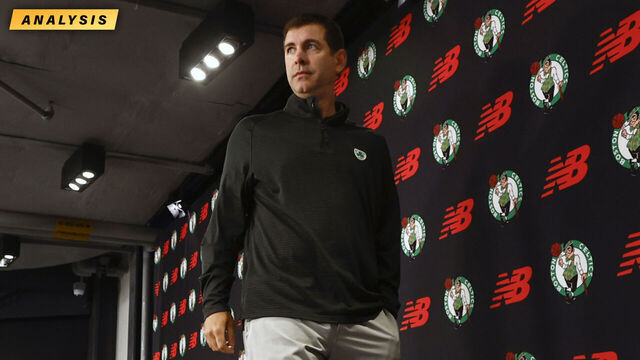
President of basketball operations and de facto general manager Brad Stevens is considered among the league's best front-office tacticians, and the coach turned executive has a big decision to make: go all-in, make modest upgrades to a roster that has performed beyond expectations in the absence of Jayson Tatum, or stand pat?
If the Celtics are expecting Tatum to return from an Achilles tear this season, they have one glaring area of need: center. Boston has somehow threatened the Detroit Pistons' stranglehold on the top spot in the Eastern Conference despite playing Neemias Queta and Luka Garza at the five after losing Al Horford, Luke Kornet, and Kristaps Porzingis in the offseason. The Celtics can address this a couple of different ways.
Modest gains are still gains
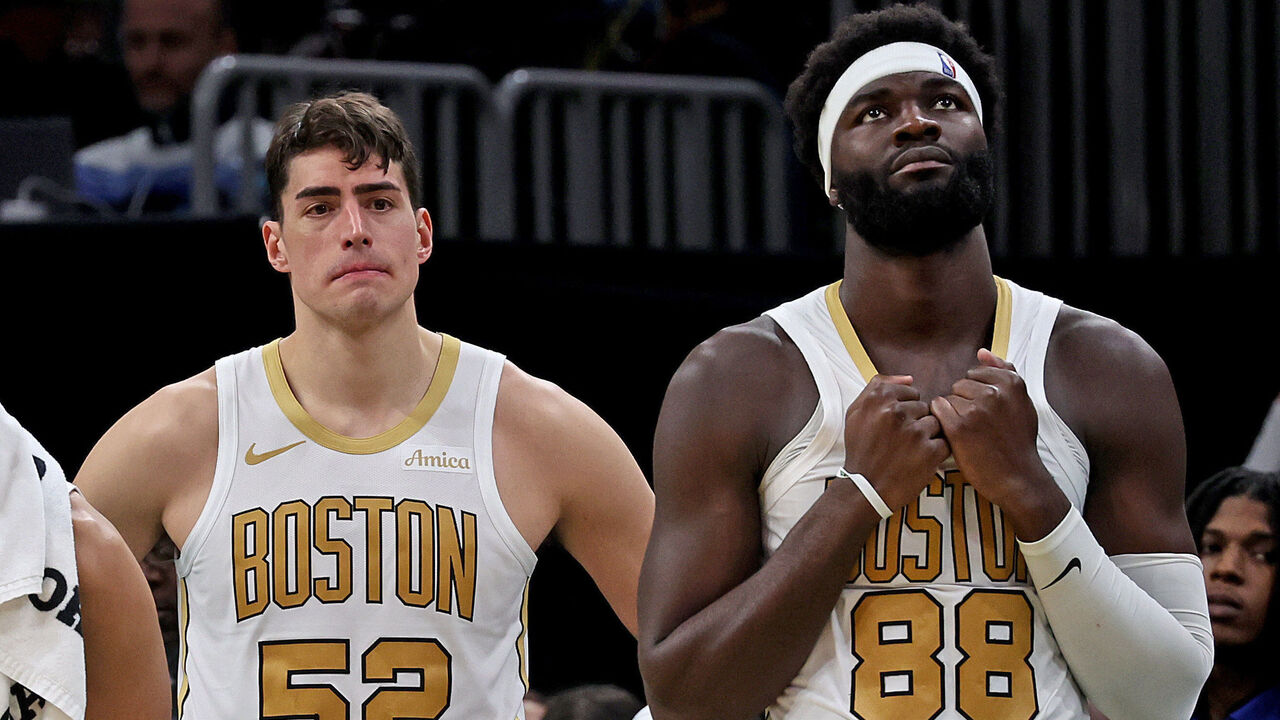
Unless Joe Mazzulla wakes up one morning and suddenly decides he trusts Xavier Tillman and Chris Boucher, the team will either ride with Queta and Garza or seek upgrades. Those upgrades don't have to be game-changers, and a host of decent low-risk additions should be available for little cost.
Brooklyn Nets center Day'Ron Sharpe and Indiana Pacers big Isaiah Jackson are among the players who would fit this profile. Sharpe, 24, has a team option for the 2026-27 campaign and carries a $6.25-million cap hit. He's averaging 7.8 points and 6.2 rebounds on 60.3% shooting in 42 games, all slightly above his career averages across five seasons in Brooklyn. Jackson, also 24, has two years left on a three-year, $21-million contract and is posting similar numbers as Sharpe. Neither player moves the needle, but either one could take minutes from Garza and provide depth for a playoff run. New Orleans Pelicans frontcourt duo Yves Missi and Karlo Matkovic could also generate interest as young centers on team-friendly deals.
Sharpe and Jackson wouldn't require significant returns - especially not Sharpe, given his contract and Brooklyn's apparent willingness to receive draft capital in exchange. Boston's previous acquisitions of Mike Muscala and Tillman signal a familiarity with operating in the margins by making similar moves for serviceable big men.
Boucher's expiring deal could be packaged in a trade, as could the Celtics' three second-round picks in the 2026 draft.
Stevens could also explore the buyout market as he did last season with Torrey Craig. Boston and its winning culture tend to appeal to veterans of Craig's ilk. As a first-apron team, the Celtics cannot sign any bought-out player who earned more than the non-taxpayer mid-level exception ($14.1 million) in his most recent contract.
The aggressive approach
If Stevens wants to swing for the fences, he could have several options.
The Celtics currently own their first-round picks in the 2026, 2027, 2030, 2031, and 2032 drafts. These are all considerable bargaining chips.
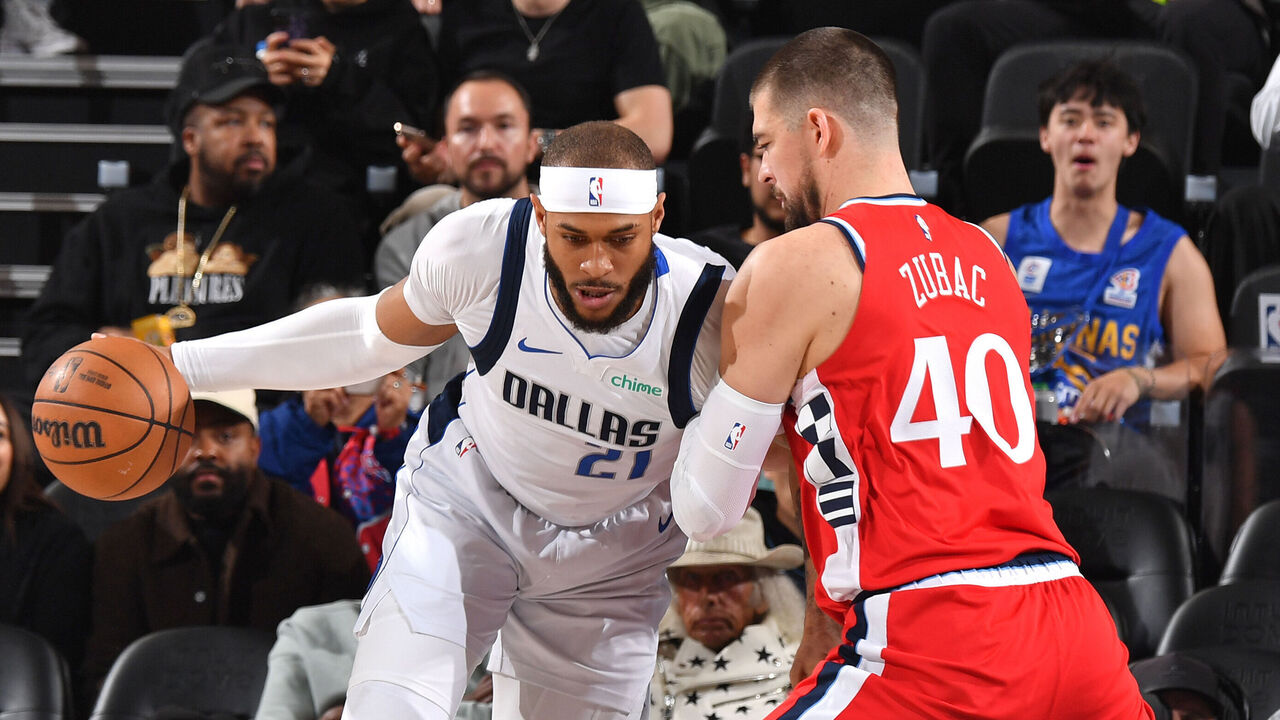
Los Angeles Clippers center Ivica Zubac, former Defensive Player of the Year Jaren Jackson Jr. of the Memphis Grizzlies, Brooklyn Nets big Nic Claxton, and the Dallas Mavericks' Daniel Gafford are among the high-profile frontcourt standouts who could be available for the right price.
Zubac, 28, has two years left on a three-year, $58.6-million pact. Beyond Kawhi Leonard and James Harden, there are no untouchables on the Clippers' roster. However, they've won 16 of their last 20 games, so they might be less willing to part with one of their best players. Jackson's five-year, $205-million deal has a player option for the 2029-30 campaign, and at 26 years old, he could still figure in a Grizzlies rebuild sparked by Ja Morant's potential departure. Claxton, 26, is set to become an unrestricted free agent ahead of the 2028-29 season and has a $27.5-million cap hit next year on a four-year deal with a descending salary scale. Gafford signed a three-year, $54-million extension with the Mavs last July and is scheduled to become a UFA in 2029.
While this all depends on what the front offices involved would view as the "right price," at least one first-round pick and/or Anfernee Simons and his expiring contract might be required to swing a trade for this caliber of center. Sam Hauser and Baylor Scheierman could also be in play as a means of filling out a deal.
Life in Beantown got off to a rocky start for Simons following an offseason trade from the Portland Trail Blazers, but he's since emerged as a key contributor off the bench. He's averaging 13.9 points on 43.6% shooting and knocking down 38.9% of his 6.6 attempts from deep per game. His defense is a minus, though his vast array of offensive tools and ability to provide bench scoring would be a plus in the postseason. It would be difficult to replace his production at the deadline, although the Celtics are reportedly considering it.
Do nothing
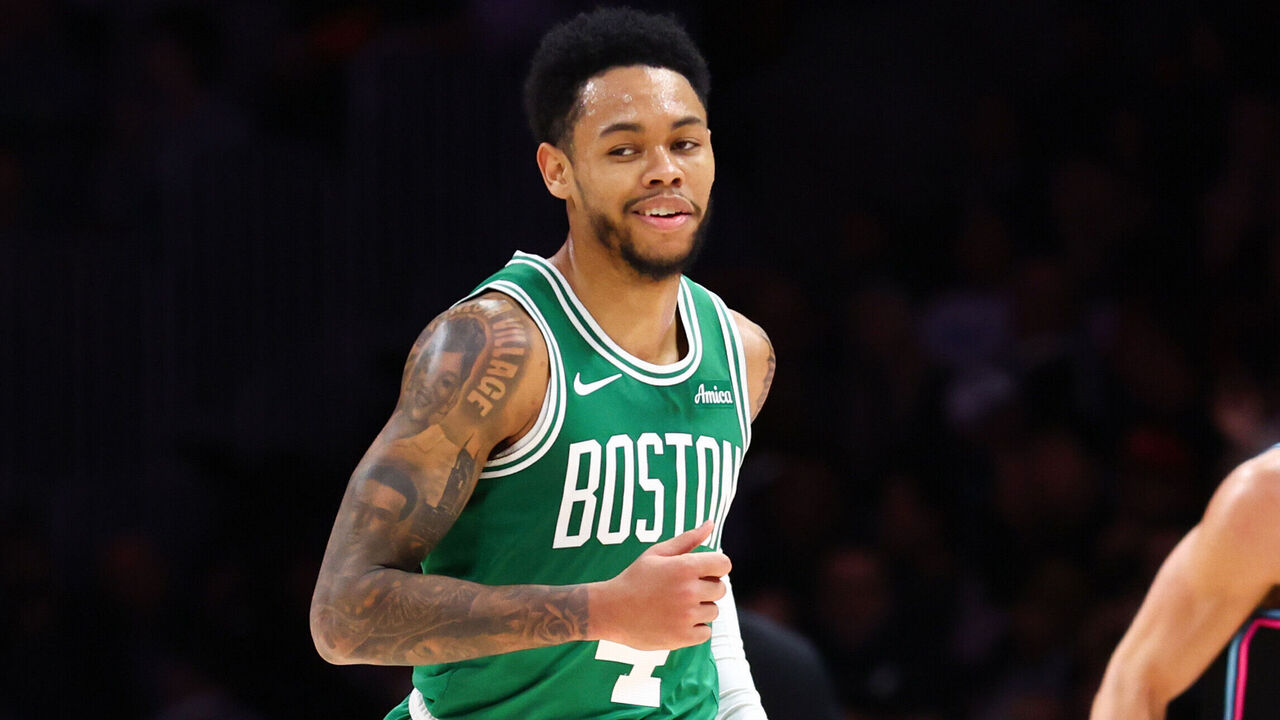
The third, and considerably less glamorous, option for Stevens and Co. is standing pat at the deadline.
The virtues of this strategy largely depend on the organization believing it can retain Simons on a reasonable deal. Outside of Tillman and Boucher, everyone on the Celtics' roster is a contributor - and all but those three are under contract for next season or beyond.
The Celtics haven't exactly been busy during recent deadlines: Their activity at the last three consisted of the low-risk acquisitions of Jaden Springer, Muscala, and Tillman. Those aren't earth-shattering moves. However, Stevens could view the weakened Eastern Conference and Tatum's potentially pending return as an opportunity to strike while the iron is hot. If anything, expect Stevens to be predictably unpredictable.