The 2026 F1 season marks the biggest overhaul of regulations in some time, with sweeping changes to chassis, aerodynamics, and power units. While it may seem like a lot to wrap your head around, we have the perfect crash course to get you up to speed in time for the season-opening Australian Grand Prix this weekend.
What is the biggest change with the 2026 regulations?
Definitely the new power units.
F1 is aiming for a 50-50 split between combustion engine and electrical power, a gigantic shift from recent times. The 1.6-litre turbocharged V6 engine remains, but say goodbye to the MGU-H, a component that used exhaust gases to generate electrical energy. Without it, the MGU-K, which recovers energy during braking, will become even more important and powerful. All power units will also use 100% advanced sustainable fuels.
How does the electrical side of the power unit work now?
The minds of the drivers and their race engineers are as important as ever, as they'll have to be smart about where to harvest energy for the crucial MGU-K. That'll require drivers to lift and coast through corners they typically didn't before, while also using more aggressive downshifts to recharge their energy.
One term you may hear often this season is "super clipping." Super clipping is another energy management strategy in which the MGU-K recharges while the driver is at full throttle. Super clipping can be identified when a car's rear light rapidly flashes. Additionally, the light will flash once when the MGU-K is deploying less than full power and twice when there's no electrical power. The light could also flash for a few other safety reasons.
F1 Car Lights Explained 🚥#FIA #F126 pic.twitter.com/t4oNWPntze
— FIA (@fia) February 19, 2026
Why did F1 eliminate the MGU-H if it helps with recovering energy?
The decision mostly stems from cost and complication. F1 ditched MGU-H due to its lack of road relevance to manufacturers in the sport and to reduce costs for newcomers like Audi.
How about the cars? How will they look?
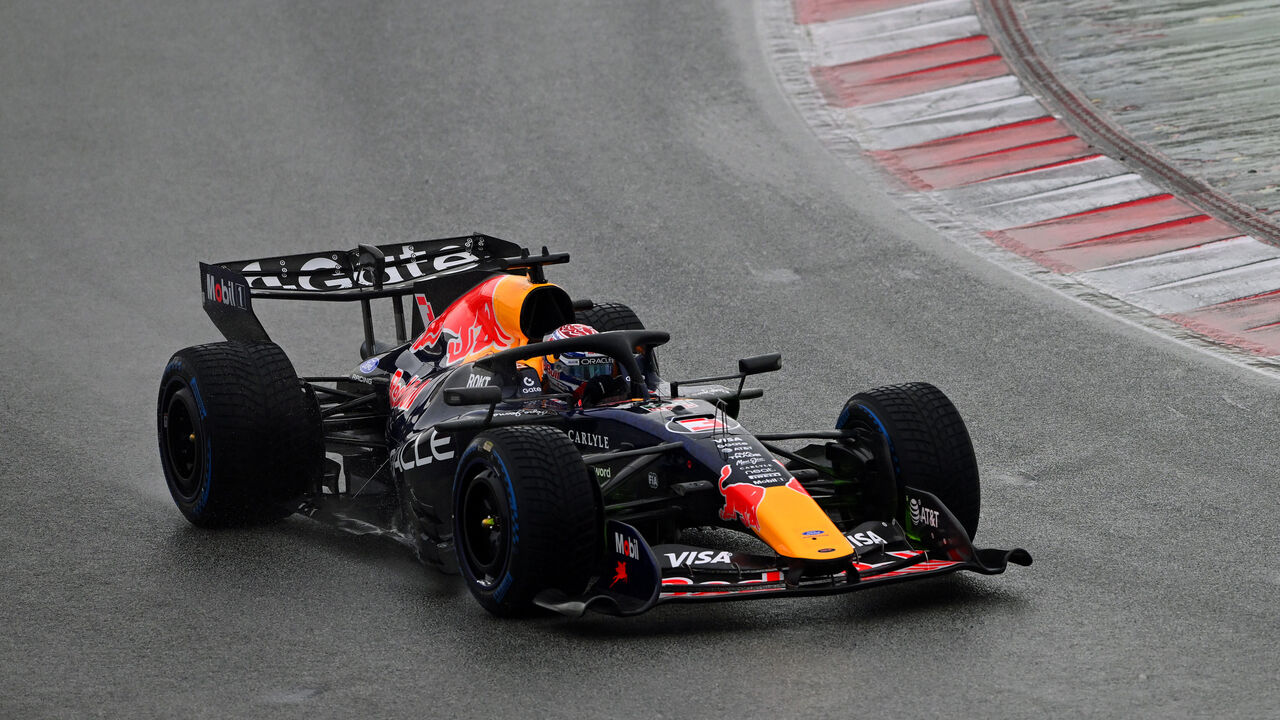
You'll be happy to hear that cars will be smaller and lighter. The minimum weight of the cars has decreased substantially from 798 kg in 2025 to 768 kg this year. The cars will be 200 mm shorter in wheelbase length and 100 mm shorter in width. The Pirelli rubber will also be slightly smaller. Though the wheelbase diameter remains at 18 inches, the tread width has decreased at the front and back.
What kind of effect will that have on drivers?
These changes should make the cars more agile and nimble, characteristics that many of the drivers have seemed to enjoy so far. The change is a much-needed step in the right direction after complaints that cars had become too heavy and stiff.
If you don't believe me, just listen to what the most accomplished driver in F1 history thinks.
"More fun to drive" 🗣️
— Formula 1 (@F1) February 7, 2026
Lewis Hamilton speaks highly of the new generation following shakedown in Barcelona #F1 pic.twitter.com/o7CM8mLv4h
What aerodynamic changes will these cars have?
The ground-effect era is over, meaning the rigid requirement to run the cars as low as possible to generate downforce from tunnels on the floor is no longer necessary. Instead, teams should have more setup options as F1 returns to flat floors, less-sophisticated front wings, and larger diffusers.
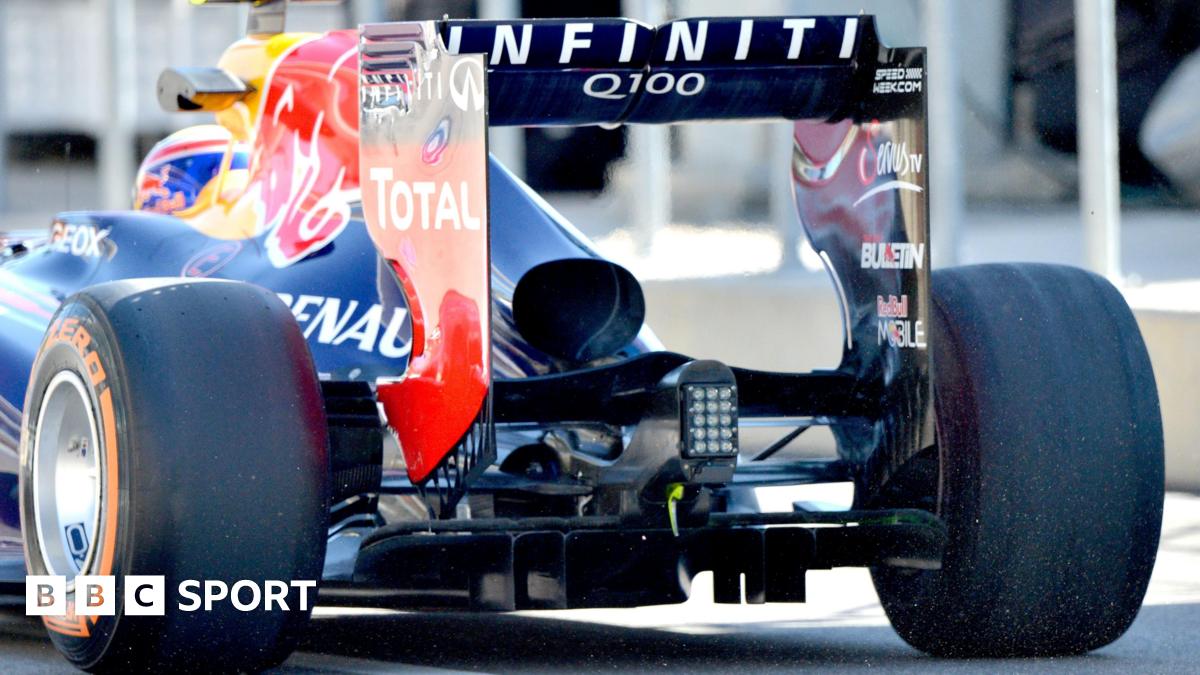
But the most notable change is the end of DRS - the drag-reduction system. In its place, F1 is bringing back active aerodynamics. The new Straight Mode will open both the rear and front wings in designated areas, typically long straights. Picture it like DRS on both wings, and just like DRS, the activation zones will be marked on the track with signs.
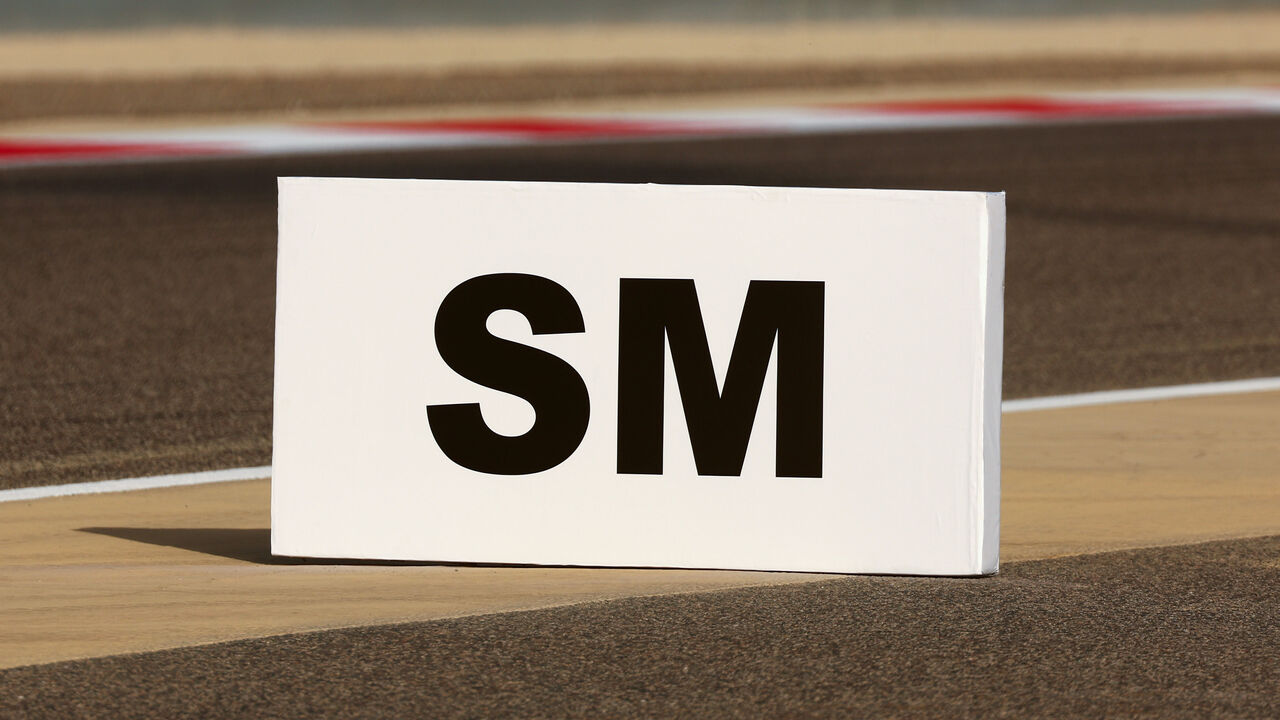
After passing through Straight Mode zones, cars will automatically revert to Corner Mode, where both wings close. Drivers are required to use Straight Mode at all times in designated areas, although its duration could be shortened in low-grip conditions such as rain. The system is designed to reduce drag and increase top speed on straights.
We've already seen teams like Ferrari and Alpine reveal some clever innovations with the new rear wing rules.
You spin me right round! 😵💫
— Formula 1 (@F1) February 19, 2026
Here's Ferrari's innovative solution to moving the upper flap of the rear wing as part of this season's active aero introduction 👀 #F1 #F1Testing pic.twitter.com/yY0ZcI1Kph
Look closely at the rear wings 👀#F1 #F1Testing pic.twitter.com/EmmI3Xhujw
— Formula 1 (@F1) February 11, 2026
Did you say no more DRS? How will the drivers overtake?
Fear not, overtaking modes will still be available to help drivers pass rivals on track. But it won't involve aerodynamics. If a driver is within a second of the car ahead at a detection point, they'll have access to Overtake Mode, enabling them to utilize extra electrical power on the next lap. Unlike DRS, which had restrictions on where it could be activated, Overtake Mode can be used anywhere on the circuit. However, there will be only one detection point for Overtake Mode, making it crucial for drivers to be within a second at that exact location.
There's also Boost Mode, though this isn't exactly new. This feature allows drivers to increase the power unit's energy output at any time.
Will the racing be better?
In theory, the racing should improve. These new rules will decrease outwash - dirty air flow from the car - which should help competitors follow each other more closely. With less downforce from smaller cars, driver skill should play a bigger role. Increased emphasis on electrical power could also encourage creative overtaking maneuvers, and the strategic deployment of the electrical component of the power units may lead to some interesting chess matches on the track.
At the end of the day, the cream still rises to the top in F1. But drivers should be able to notice a greater difference as they battle the physical aspects of extracting the fastest lap time while also mentally focusing on managing energy usage.
This weekend's Australian Grand Prix will offer the first test of whether the new regulations work as intended. We'll see you there.
Daniel Valente is theScore's lead Formula 1 writer. Daniel has covered the sport for multiple years, conducting analysis and interviewing key figures inside the paddock. His expertise is breaking down data and discovering unique stats. Follow Daniel on X at @F1GuyDan.