How FIFA sold the Brazilian government a shovel to dig a hole and bury its people
Less democracy is sometimes better for organizing a World Cup. When you have a very strong head of state who can decide, as maybe Putin can do in 2018 … that is easier for us organizers than a country such as Germany … where you have to negotiate at different levels.
- FIFA Secretary General Jerome Valcke (April 24, 2013)
One Year Ago
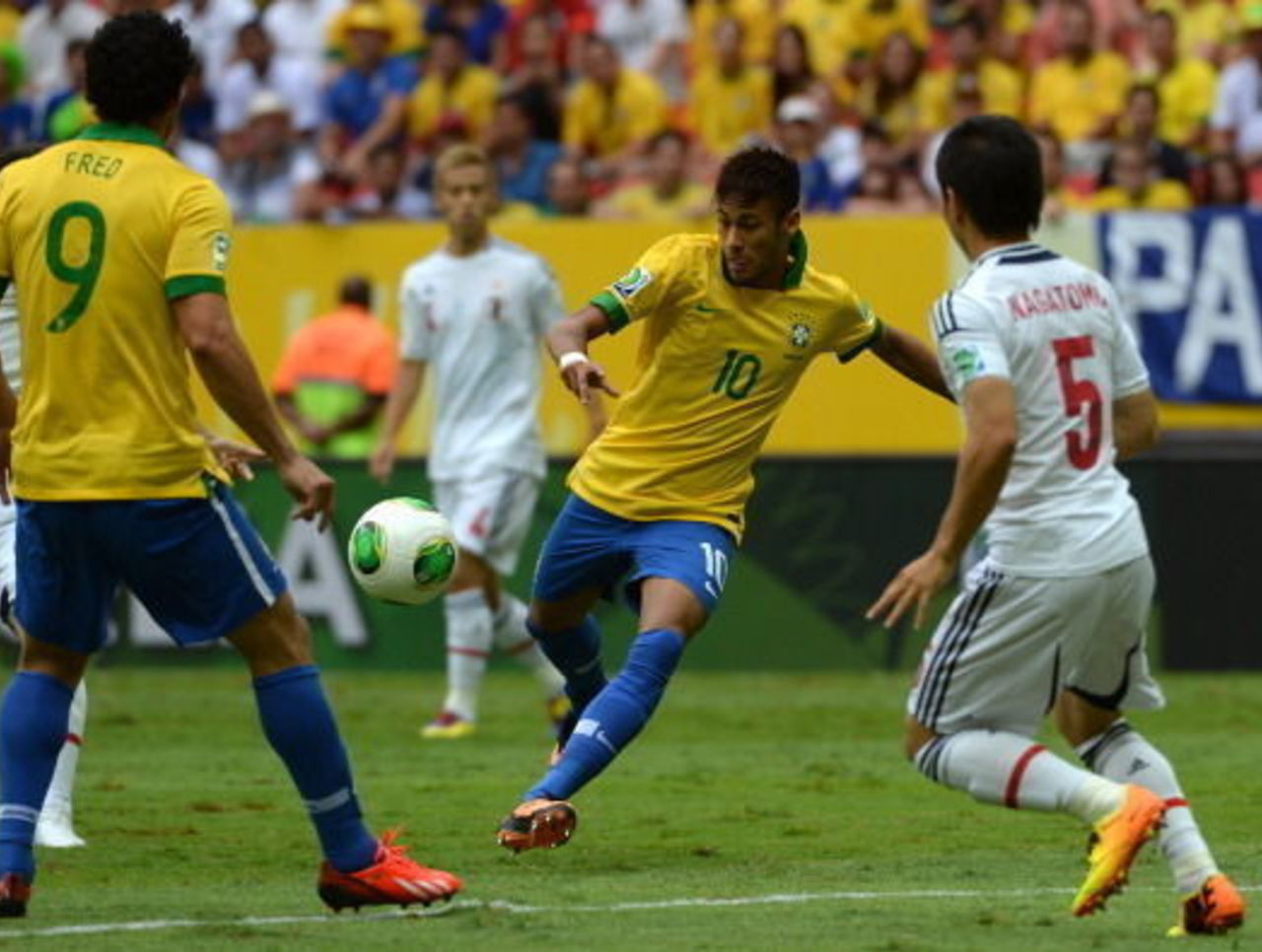
It took Brazilian forward Neymar all of three minutes to collect the first goal of the 2013 Confederations Cup. After his one-touch volley hit the corner of the net, the home crowd in Brasilia collectively leapt up to applaud, as if jolted out of their seats by a lever.
The tournament was only a dress rehearsal for hosting the World Cup, but strikes like Neymar’s have a way of making fans forget about context. It wouldn’t have mattered if the goal was scored in practice or in extra time in the tournament’s finale. It evoked a spontaneous celebration.
For the Brazilians outside the Estádio Nacional Mané Garrincha on that day, the conditions that surrounded their country hosting this tournament and the 2014 FIFA World Cup wouldn’t be escaped by a brilliant goal.
It started with a protest in Sao Paulo a week before the tournament began. Locals who marched in solidarity against a public transit fare hike were met with rubber bullets and pepper spray from the police. The response to the peaceful demonstrations caused public outrage and vulcanized opinions in equal measure. When photos showing a young couple being clubbed by an officer were published in the national press, anger spread past the borders of Brazil’s largest city, and bigger issues beyond bus fare came to the forefront.
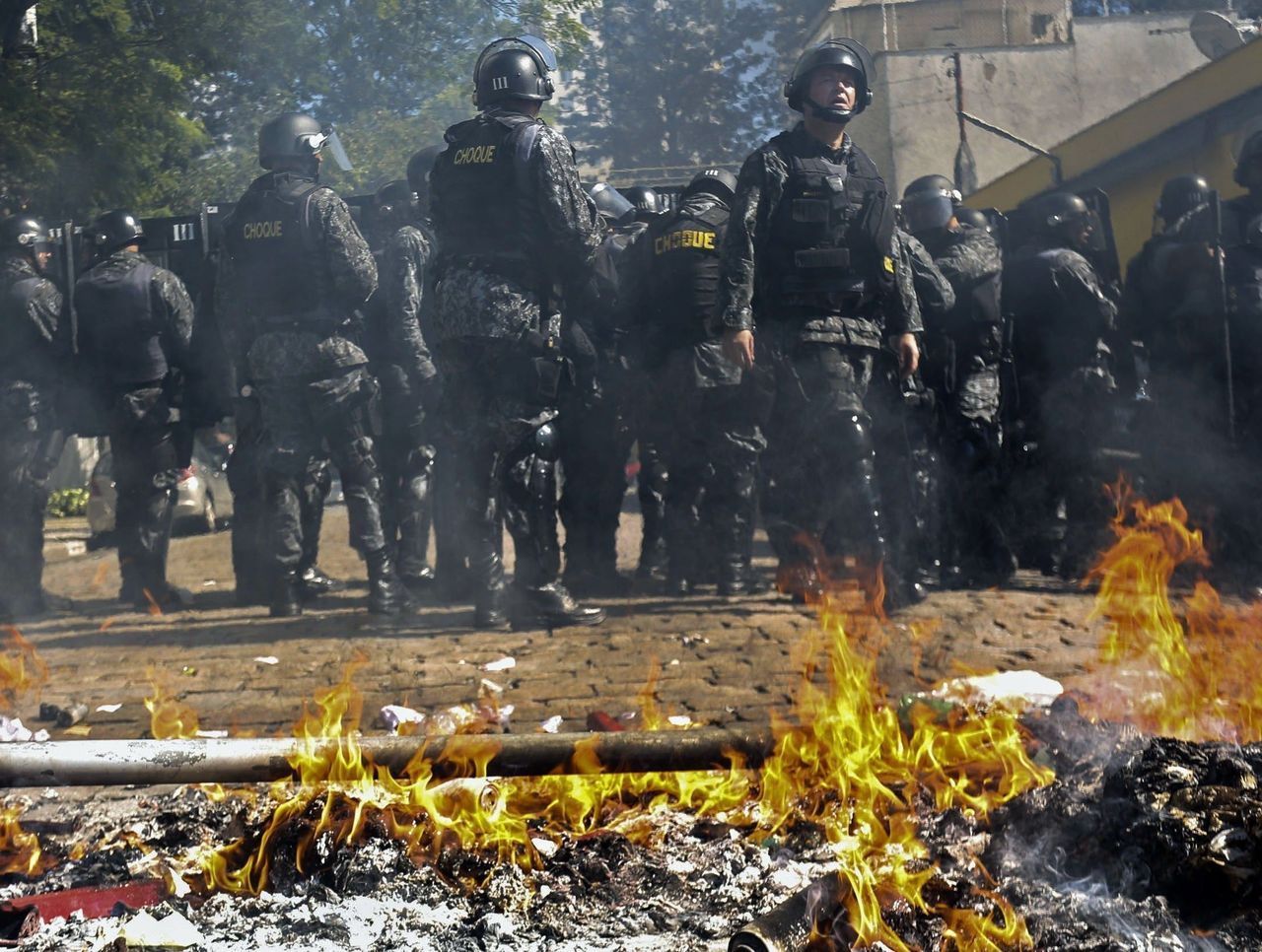
Chief among those “bigger issues” was the amount of money being spent on hosting the 2014 World Cup despite the immediate needs of an unequal two-tiered healthcare system and a failing public education program. By the time the Confederations Cup began, protests had reached the capital. A few days later, demonstrators breached security at the National Congress building, as multiple protests erupted in eleven different Brazilian cities, many of which involved violence sparked by both police and participants.
The Confederations Cup turned out to be less notable for the Brazilian squad’s victory — including a dominant 3-0 win in the finals over defending World Cup champions Spain — than what was happening outside of the stadiums, and across the country.
This was only the beginning. The lead up to the World Cup has been marred by the deaths of stadium workers, police and public transportation strikes, militarized streets in major cities and ongoing demonstrations from a public unhappy with their government prioritizing a game over its people.
The Brazil Cost
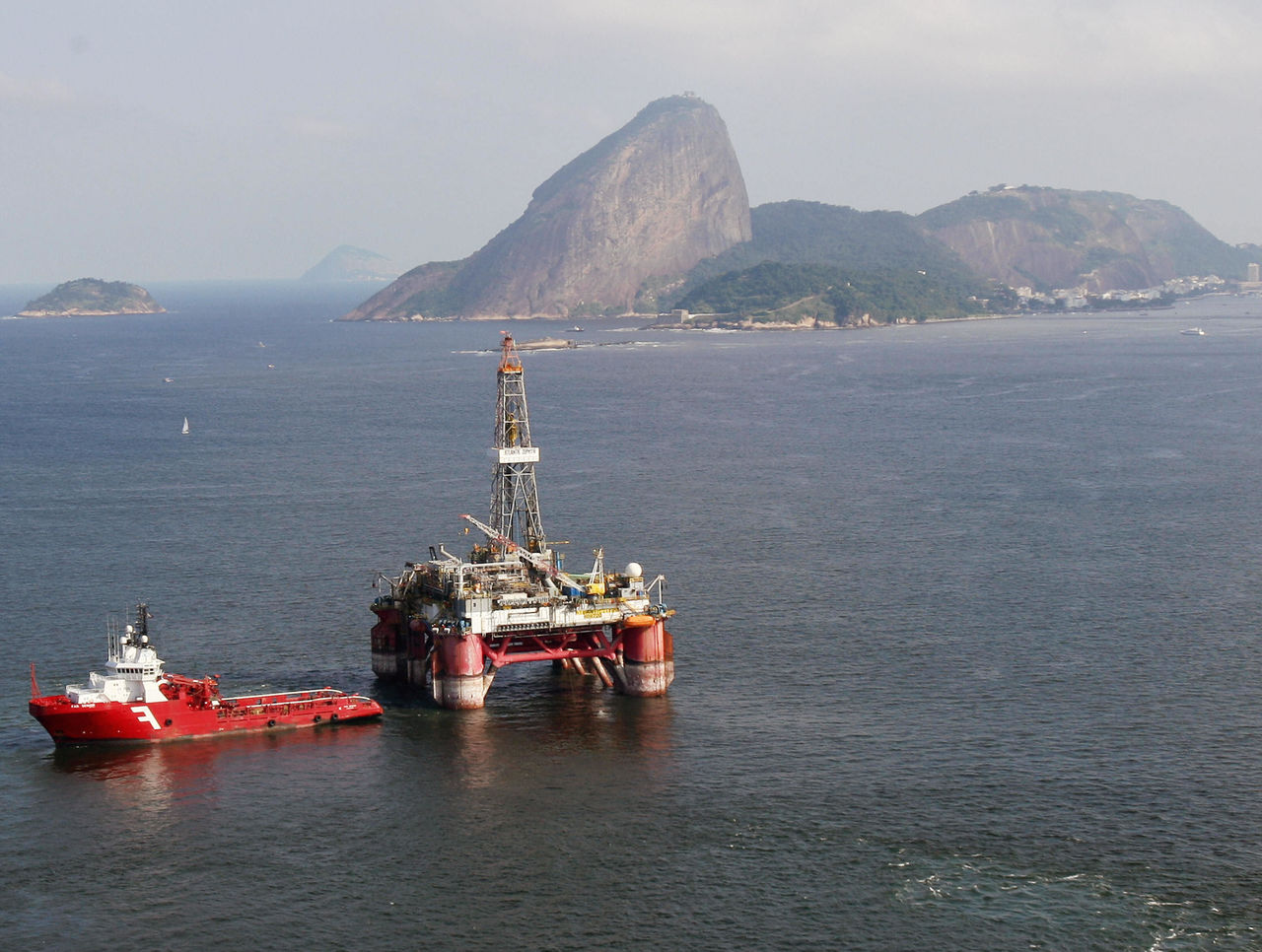
Corruption is so prevalent in Brazil it’s become an accepted way of life, with estimates suggesting it costs more than $40 billion a year. There’s perhaps no better example of the toll it takes on the economy than the inability of the country to develop the massive oil deposits off its coast — an ongoing project constantly delayed by corruption allegations.
Instead of benefitting from being one of the world’s major energy producers, Brazilians near the bottom of the nation’s socio-economic classification — which ranges from A1 to E — are still concerned with things that most Westerners take for granted, like the quality of their drinking water.
And so it goes. By taking on the added expense of hosting a World Cup, decision makers have seemingly gone too far in testing the people’s compliance with the status quo. Despite promises to limit the spending of public money to facilitate the world’s biggest single-sport tournament, the cost to hold the tournament in Brazil has risen to $11.5 billion.
Earlier this week, FIFA defended itself against criticisms that it’s making money at the expense of quality of life in Brazil, pointing to the $2-billion in operational costs that it covered through television and merchandise revenue. FIFA distanced itself from the original bidding process, claiming that the additional expenses were the result of Brazil choosing to build a dozen stadiums, and add infrastructure — that they emphasize — will continue to help the people long after the World Cup has left town.
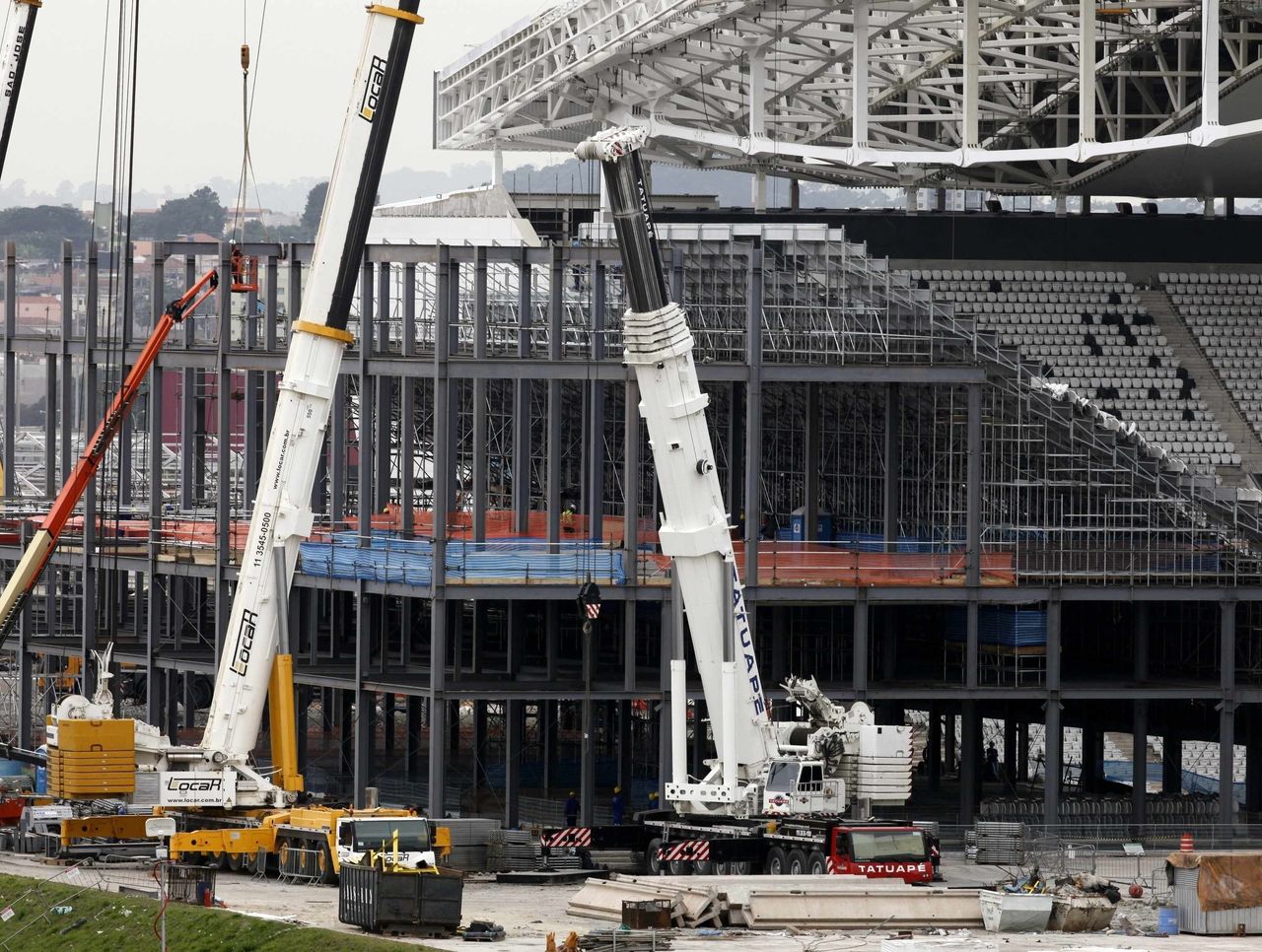
While a third of the overall cost of the World Cup can be attributed to stadiums that FIFA now deems optional, several promised public infrastructure projects have been scrapped since being announced, including the vaunted bullet train between Rio de Janeiro and Sao Paulo. Other public works have been largely ignored as the government shifted most of its resources toward building new stadiums in time for this summer’s tournament.
Furthering the people’s anger are reports of the large construction firms responsible for building the new stadiums suddenly becoming generous campaign contributors to the ruling Workers Party. In one instance, Andrade Gutierrez, a multinational conglomerate located in Belo Horizonte, was discovered to have raised its campaign contributions to 500 times its previous donation.
With a general election scheduled in four months, it’s not a good look for incumbent President Dilma Rousseff — who along with FIFA’s statement, also made a prime time television address on Tuesday urging Brazilians to unite behind their national team.
The FIFA Cost
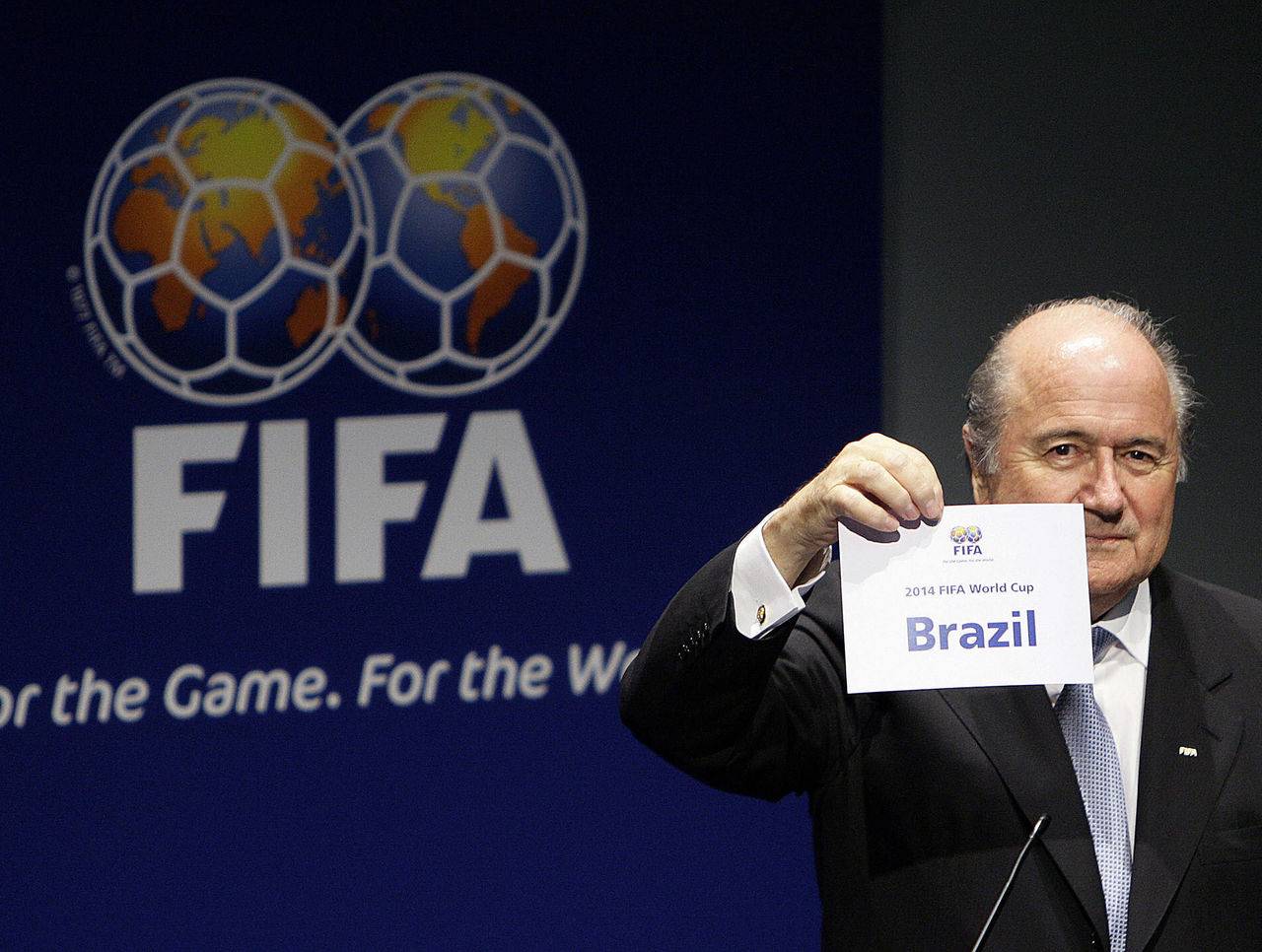
When we think in terms of corruption and bidding committees, we typically imagine members bribing FIFA officials, and as the controversy surrounding Qatar’s 2022 bid continues to unfurl, this isn’t without reason. However, there is a hidden bit of dirty business attached to hosting the World Cup that is seldom mentioned.
It’s simply not a profitable venture for the hosts.
In fact, those who stand to benefit most from hosting a World Cup are never the people of the country, and always the representatives of the interests that comprise the committee attempting to make it happen. While those in support of hosting will suggest that increased tourism and the creation of jobs provided by the World Cup is good for the country economically, it pales in comparison to the cost of setting up an infrastructure for hosting and the sudden lack of funds available to other sectors.
In a report from 2010, economist Dennis Coates examined the aftermaths of recent World Cups on the economies of the regions that hosted. Despite promised profits in the billions of dollars, only Germany in 2006 was able to break even. Their unique situation was the result of the country refusing FIFA’s request to adopt a “tax bubble” that would allow consumers to avoid tax on merchandise and tickets over the course of the tournament.
Four years later, South Africa didn’t possess the previous host’s leverage in negotiations, and the country ended up giving away millions of dollars in potential taxes, while FIFA walked away from the 2010 World Cup with more than $2.5 billion in profits. This loss of potential income, in combination with the South African government’s agreement to take no share of television, marketing deals or ticket revenue, rendered the country incapable of matching the estimated $8.6 billion cost of hosting.
And now, Brazil.
The Consensus Has Changed
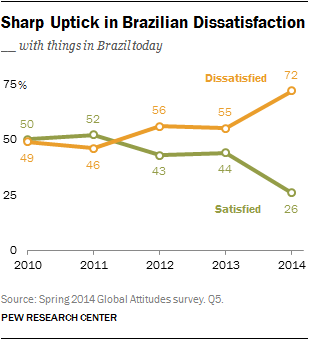
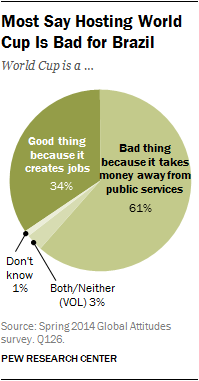
The cynical often look at political disputes — and this is what hosting the World Cup has become — as two vocal minorities on either side of a mainly indifferent majority. This is clearly not the case in Brazil where a recent PewResearch Poll revealed a largely dissatisfied public who view hosting the World Cup as bad for the country.
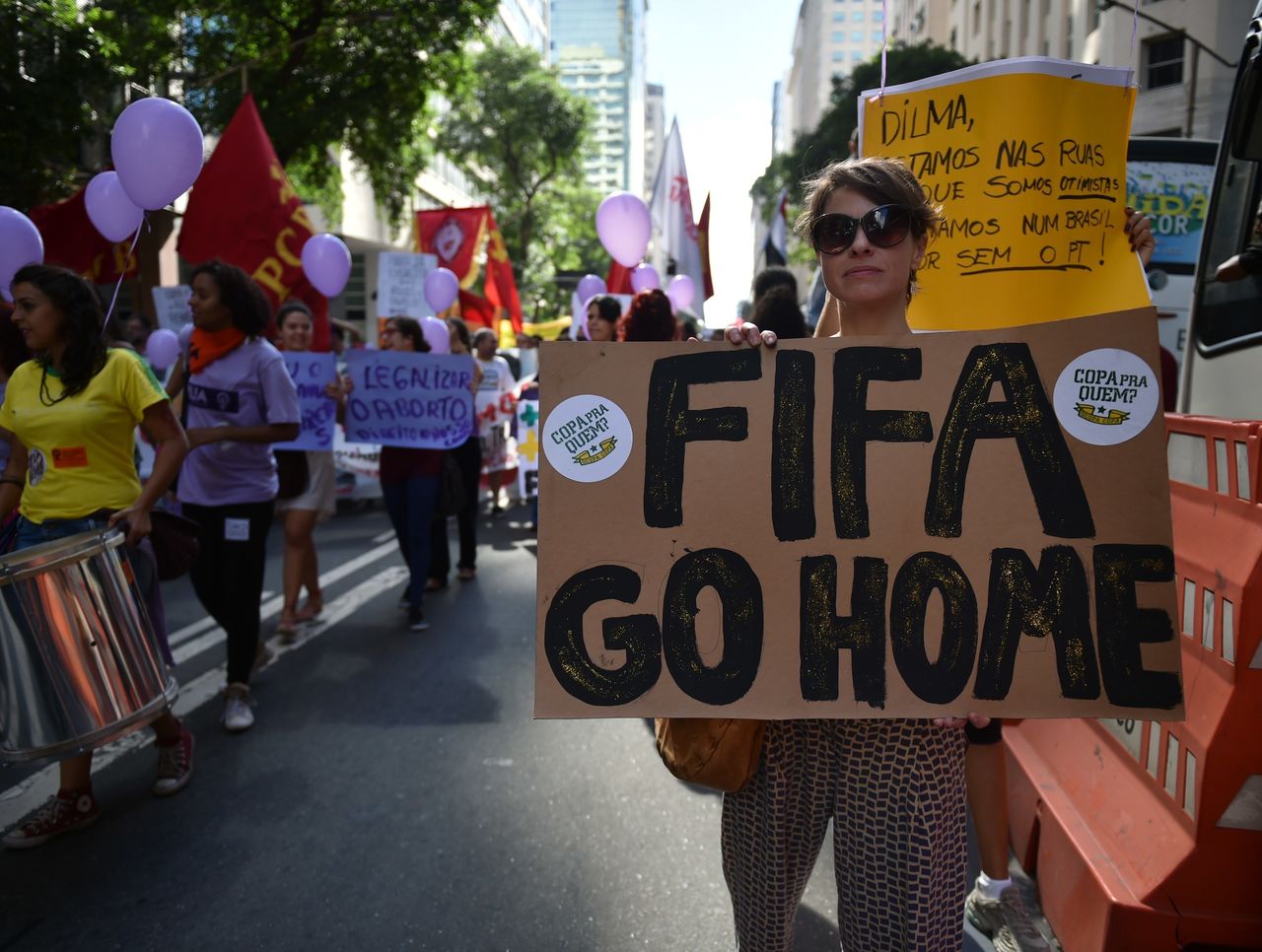
It doesn’t necessarily take a poll to come to an understanding of Brazil’s anger over hosting the World Cup. All one need do is go outside in a host city and be greeted by protests against the government and see the anti-FIFA graffiti.
The irony of the Brazilian public’s distaste for hosting the World Cup is that — with no discernible economic benefit — the only good a World Cup typically does for the host nation is boosting the morale of its people.
Same Messaging
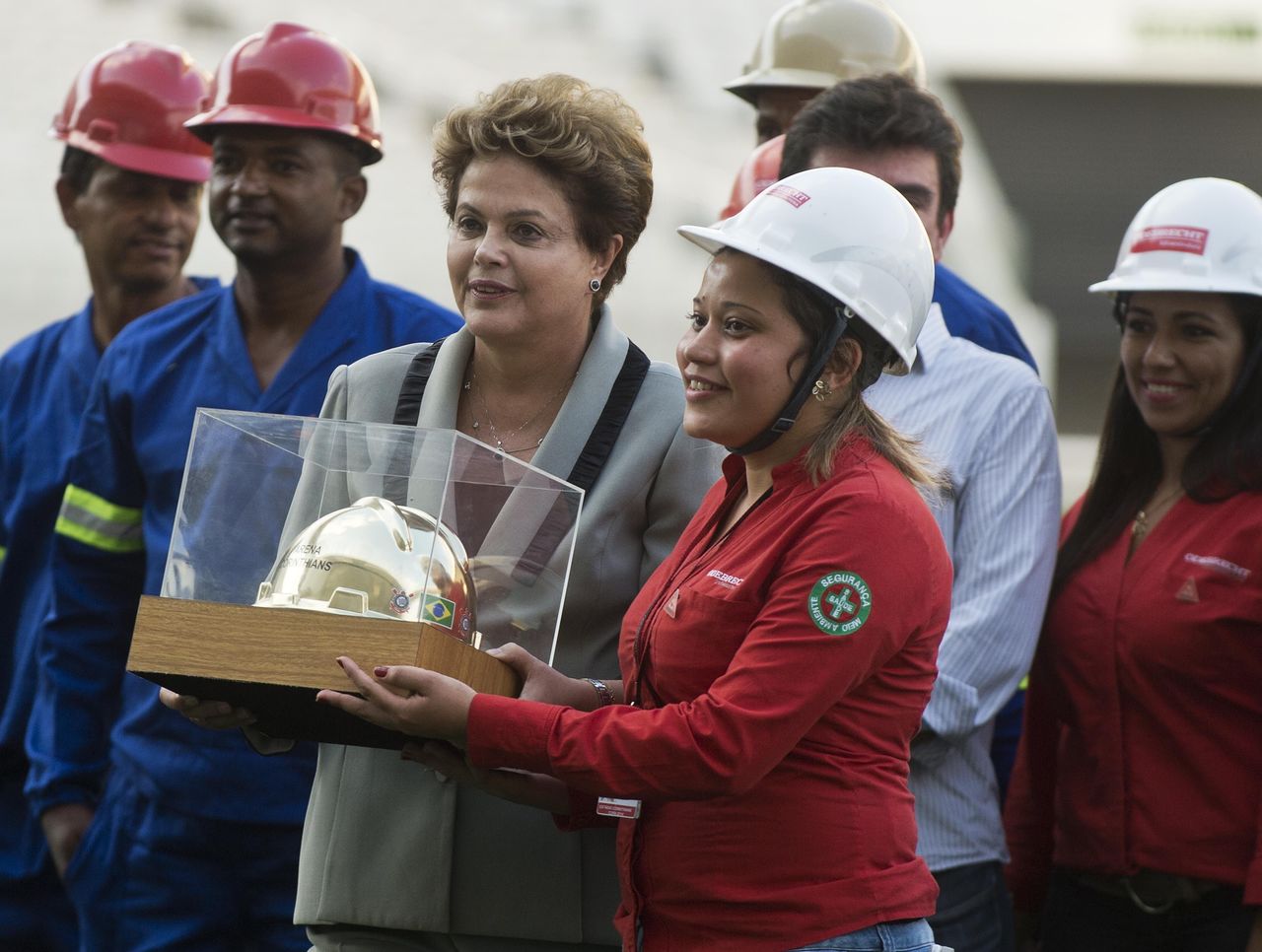
FIFA’s statement in defense of itself, and President Rousseff’s television address had more in common than being rolled out on the same day. Both seemed to echo the sentiment offered by FIFA President Sepp Blatter a year ago, when he spoke about the first round of protests that plagued the Confederations Cup.
According to an outraged Blatter, “People are using the platform of football and the international media presence to make certain demonstrations.”
It’s difficult to argue against FIFA or President Rousseff because the protests indeed represent groups exploiting a game and the attention it garners in order to further an agenda. However, it’s equally difficult to swallow their condemnation of such acts while doing the exact same thing themselves for far less noble causes.
Those taking a stand against the World Cup in Brazil are responding to their own exploitation at the hands of a government that misdirected public money to prompt increased campaign donations and further funding for their own interests. Nonetheless, dissent for FIFA, an organization happy to sell the Brazilian government a shovel to dig a hole for their people, is equally justified.
How else do you reconcile the $11.5-billion in costs to the inequalities of the country’s two-tiered healthcare system and an already substandard public education system that compares unfavorably to other developed countries as it maintains a steady decline?
FIFA’s Pontius Pilate hand wash of Brazilian expenses is revealed to be even more brazenly ignorant when we consider that it’s FIFA’s demand for profit that leads to the disparity between who benefits and who suffers from hosting a tournament.
Through this lens, we might make an unexpected case for Qatar’s unquestionably dubious selection as hosts for the 2022 World Cup to be the most altruistic of recent FIFA decisions.
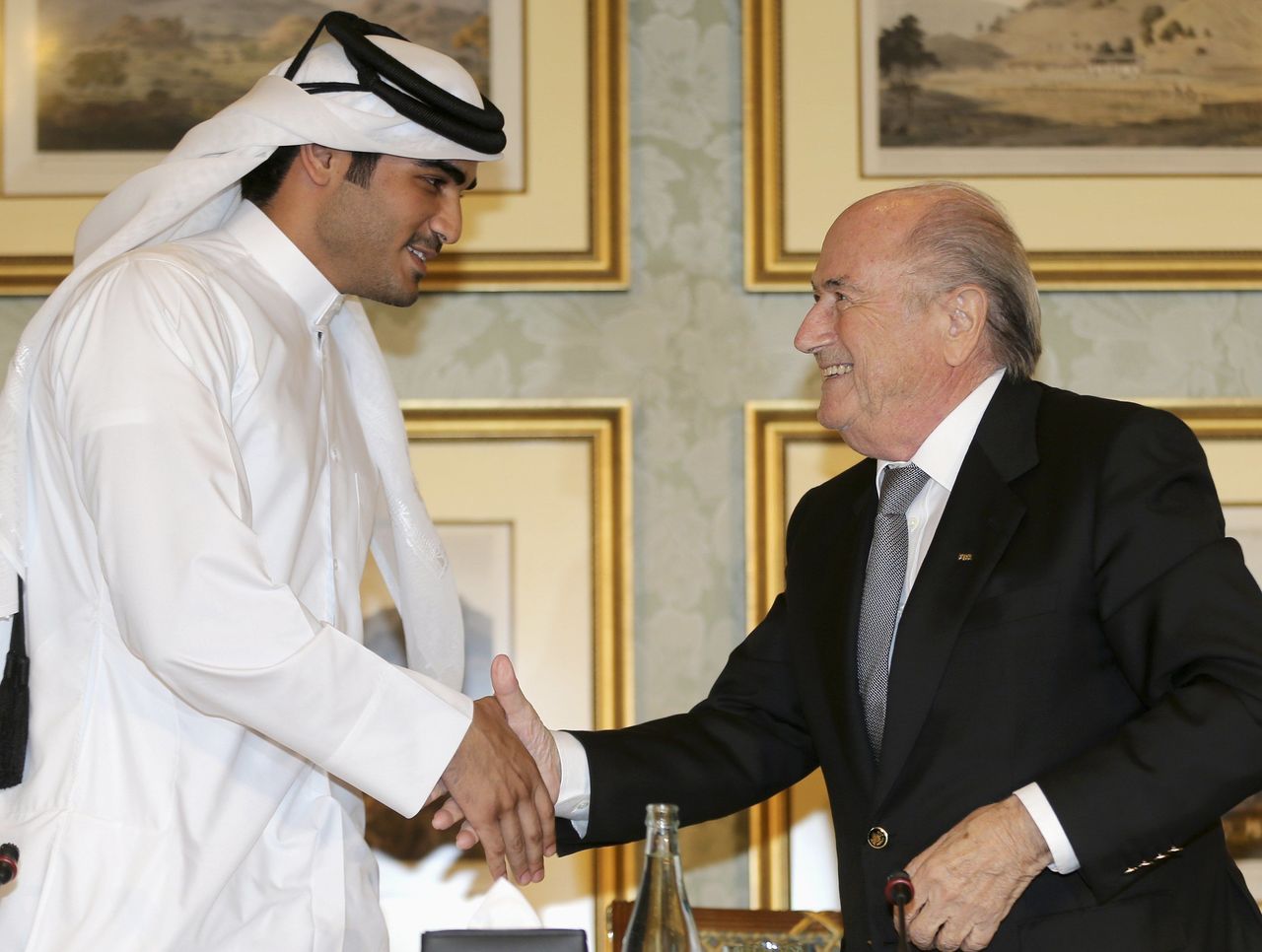
Despite most likely being bribed into rewarding a region that treats its migrant workers (who comprise 94% of the country’s workforce) brutally and discriminates against women and homosexuals (among others), FIFA is at least setting its showcase event in a location that can afford to lose money, and do so without burdening its taxpayers. After all, there is no income tax in Qatar.
However, the problems facing Brazil aren’t the result of FIFA’s love of lucre, although they’re certainly not made better by Blatter’s blatant cash grab. The problem is that the wishes of the people of the country aren’t being properly represented by the authorities that govern the land. The cost of hosting a World Cup isn’t going to be paid by those who lobbied for the honor, instead the bill will be placed in front of the people who had no choice in the matter.
Brazilians are the people FIFA’s system is designed to prey on. Governments that are willing to embrace costs at the expense of its people are becoming the only potential option for hosts of major international sporting events, because they’re the only ones willing to sacrifice public works to line FIFA’s pockets.
It’s not coincidental that the following pattern exists: Winter Olympics - Russia, World Cup - Brazil, Summer Olympics - Brazil, World Cup -Russia.
What Happens, Now?
The systems in place are far from reasonable, and even further from ideal, but they’re there nonetheless. The World Cup remains a prestigious event, and nations want to be associated with that prestige, especially when the forerunners of that association stand to benefit the most and pay the least.
Without a question, this desire is exploited by FIFA, but attempting to fight it seems as futile as a defender assigned to marking Neymar. That’s why we’re so eager to get lost in the escape that football provides, and forget about the context to each and every goal.
Otherwise, we might find ourselves out on the streets, raging with all our frustrations against the systems that elicit them. Perhaps our greatest frustration comes about when it's revealed even our distractions have been corrupted.
In Brazil, the tide is turning because of this revelation. Perhaps the only thing that could stop it now is World Cup win to distract the home side.
HEADLINES
- Spurs' Kudus suffers injury setback as Ghana's World Cup draws nearer
- FIFA adds new even more expensive World Cup ticket categories
- FIFA selects record 52 referees for World Cup, including 2 women
- England to play World Cup warm-ups in Florida vs. New Zealand, Costa Rica
- 'Time for business': Davies excited to lead Canada at home World Cup