Changing the game: How Football Leaks affects the transfer market
Football Leaks knows it can't change the game by itself. In the act of publishing otherwise confidential contracts and big-money transfer agreements, including Friday's details on Angel Di Maria's €75-million move to Manchester United in 2014, the website has allegedly broken international banking laws, and has incited police investigations. It has somehow gained access to hundreds of thousands of documents, but what remains elusive from the organization's grasp is the public's trust. As long as Football Leaks remains anonymous, it will fail to inspire full confidence in its apparent mission for greater transparency.
The primary accusation is that the vigilante network obtained the paperwork by way of a calculated cyber attack. It could have also decided to hand over its findings to a reputable source. Based in Portugal, the people who created the site instead determined that neither local authorities nor FIFA could be trusted.
Related - The good fight: Debating the ethics of Football Leaks
"As everyone knows FIFA was affected by a huge scandal, so at that time we were not sure if sending documents to the FIFA would really make a difference," a spokesperson for the site said in a written interview with German magazine 11 Freunde. "A platform surely was the best solution in our opinion, but of course we can directly collaborate with FIFA if they ask to."
It does have an admirer from inside world football's governing body. Mark Goddard, the general manager of FIFA's Transfer Matching System (TMS), has read the material in the Football Leaks archive, and deemed it "very, very useful." Goddard's staff has pushed to make public all transfer fees and player salaries, but he has been left frustrated.
"There is stuff on that site that we could never produce or disclose based on our current waiver program we have in place," he told Rob Harris of the Associated Press.
Related - Making enemies: What is the motivation behind Football Leaks?
There is still the question, however, of authenticity: No one can be sure that everything on Football Leaks is legitimate. So it can only spur the idea of progress and give more established groups like FIFPro the ammunition they may need to fight for a football revolution.
"The clubs have no respect for the fans, everything is a taboo; the player’s wages, transfer contracts, secret clauses, intermediates, etc. We are fighting for the sake of the sport, but we can’t change anything on our own," Football Leaks told The Times in January. "We need a new transfer system, a limited action for agents and investment funds, and a public database with all the transfer details and wages."
FIFPro, which represents tens of thousands of footballers across the globe, has long campaigned for that. The current market prohibits freedom of movement, it claims, and only favours a select few people.
Take the numbers from a recent TMS report: just 0.5 percent (or $20.7 million) of the record $4.2 billion spent on players' transfer fees in 2015 went toward grassroots programs, according to Reuters. In contrast, payments to agents rose 15 percent, to a record $228 million.
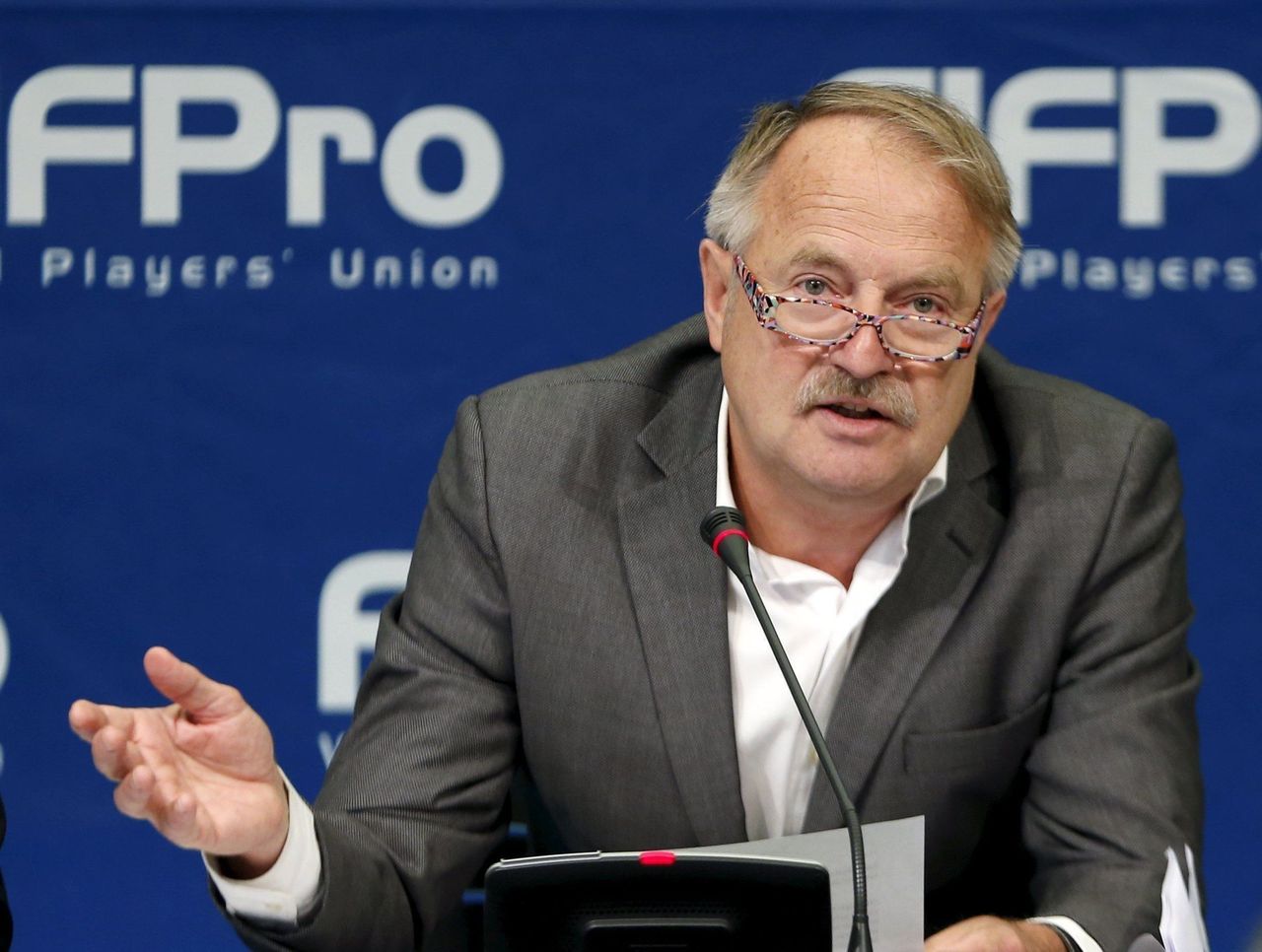
"The transfer system is rewarding agents far more than football clubs that produce talent," said FIFPro's secretary general, Theo van Seggelen. "How can this be right? It's critical the system is overhauled."
Both Football Leaks and FIFPro appear to have the same goal. Both see players as "financial instruments" in a game dominated by the wealthy. Both are working to expose the ill-conceived clauses that masquerade as football-related agreements, identifying the funds that go to agents instead of scouting or academies.
Although opaque in its own right, this controversial website has thrust an important issue into the spotlight. It may not change the game on its own, but it's broken the football world wide open.
HEADLINES
- Lakers prepare for Rockets series with Doncic, Reaves out indefinitely
- Report: Cubs, Padres interested in free agent Giolito
- Brewers' Yelich likely to miss at least 1 month with adductor strain
- GM Schoen: Giants having productive talks with Lawrence
- The Athletic's Dianna Russini resigns after Vrabel photos published