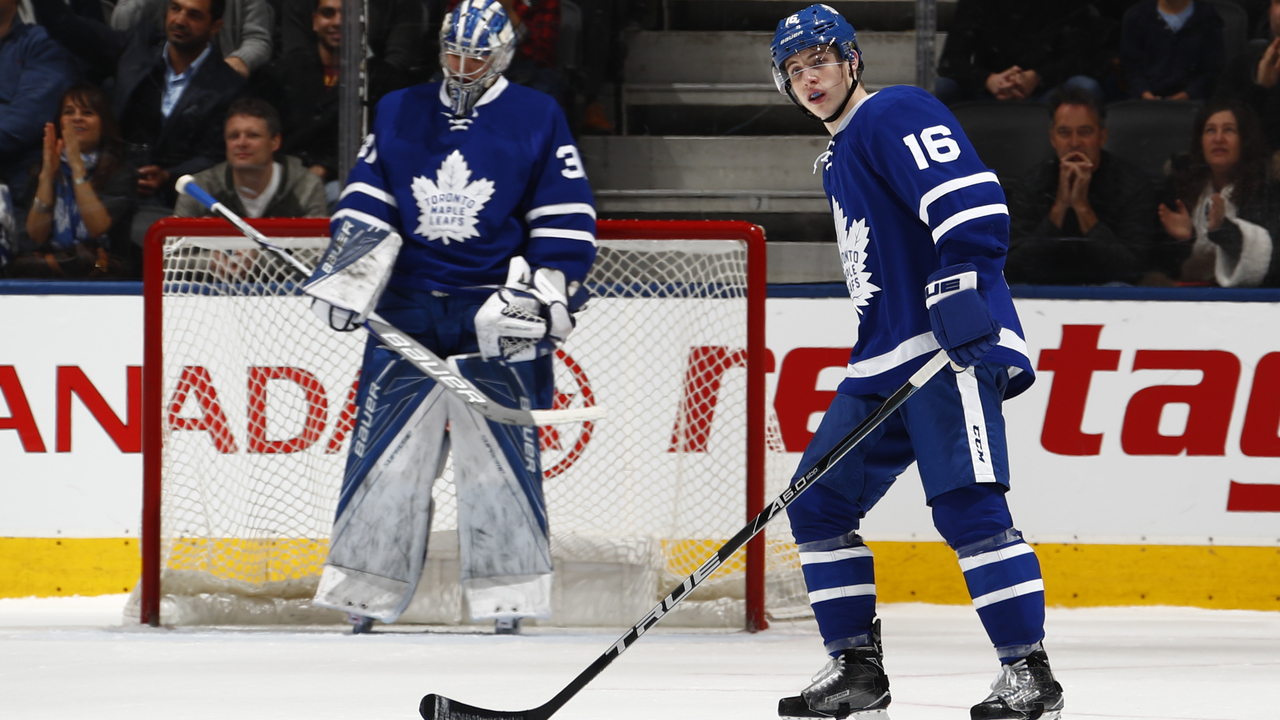
There was a time not too long ago when the introduction of offside review in the NHL was viewed as a positive. From now on, all calls would be correct.
Sure enough, they were bang on. Calls have been correct, only infuriatingly so.
It has, of course, in reality been nothing short of a disaster. The NHL (a league short on the thrill of points being scored) is losing far too many goals to grainy frame-by-frame analysis and ambiguous rulings that leave fans, and often coaches and players, dumbfounded.
Now, this is has nothing to do with the latest apparent conundrum facing the NHL: rampant misrepresentation in the league standings. But it should serve as a reminder that change needs to be tirelessly thought out, and isn't easily reversed.
Let's get two things out of the way before diving into the latest debate. The NHL is not scrapping the shootout, because the importance of having a conclusive result is immense for reasons beyond seeding. And second, the idea of waiving the loser point and awarding the shootout winner the full two points, is patently absurd. The full value on a 60-minute hockey game cannot be decided by eight players or more in an isolated, fabricated, one-on-one non-hockey scenario. It can't be that way. Not ever.
So it leaves us with one option for potential change: Each game is worth three points. A regulation win carries the full freight under this format, leaving the current overtime and shootout allotment as is.
This makes a ton of sense, beginning with the obvious reality that all games in a North American professional sports league should carry a consistent value. And there's no doubt that a truer representation of performance and efficiency will be reflected in the overall standings.
But would it be worth it?
Running the totals under this format brings about change and certain swings in most divisions, and perhaps provides a more accurate depiction.
| Division | ||||
|---|---|---|---|---|
| Metro | Atlantic | |||
| WAS | 131 | MTL | 111 | |
| NYR | 123 | OTT | 107 | |
| CBJ | 122 | BOS | 102 | |
| PIT | 120 | TOR | 95 | |
| NYI | 100 | TB | 92 | |
| PHI | 89 | FLA | 87 | |
| CAR | 79 | BUF | 86 | |
| NJ | 79 | DET | 76 | |
| Central | Pacific | |||
| MIN | 125 | SJ | 117 | |
| CHI | 120 | ANA | 107 | |
| NAS | 102 | EDM | 104 | |
| STL | 97 | CGY | 101 | |
| WIN | 91 | LA | 87 | |
| DAL | 88 | VAN | 81 | |
| COL | 51 | ARI | 67 |
Here, the Rangers jump ahead of the Blue Jackets and Penguins in the Metropolitan Division; the Senators are neck and neck with the Canadiens in the race for the Atlantic, while the Maple Leafs lose ground in the wild-card chase; and the Predators and Ducks earn separation from the Blues, and the Oilers and Flames in their respective Central and Pacific Divisions.
There are sizeable, and in some cases insurmountable, deficits in the playoff races. For example, the Panthers are now 15 points out in the division, and the Flyers and Kings are now 11 and 10 points out of the wild card, respectively.
But the most important conclusion to be drawn from comparing the two formats is that all 16 teams in current postseason position, though slightly rearranged, remain safe inside the bracket.
Now this won't invariably be the case - and it wasn't as recent as last season when the Bruins missed out despite finishing with three regulation wins more than the Detroit Red Wings. And the argument that the postseason race could intensify with regulation wins carrying such considerable value has a leg to stand on.
But despite the importance of more accuracy in the overall standings, and the suspicion regulation will be much more exciting when three points are on the line, proponents of a new mandate must consider that the associated hazards with change (say, perhaps nearly half of local audiences tuning out by the All-Star Game) could potentially be more profound than modifications to the overall seeding itself.
Trudging through the false parity muck is small price to pay if the correct teams punch their tickets.
This is an issue to monitor, not act on impetuously.