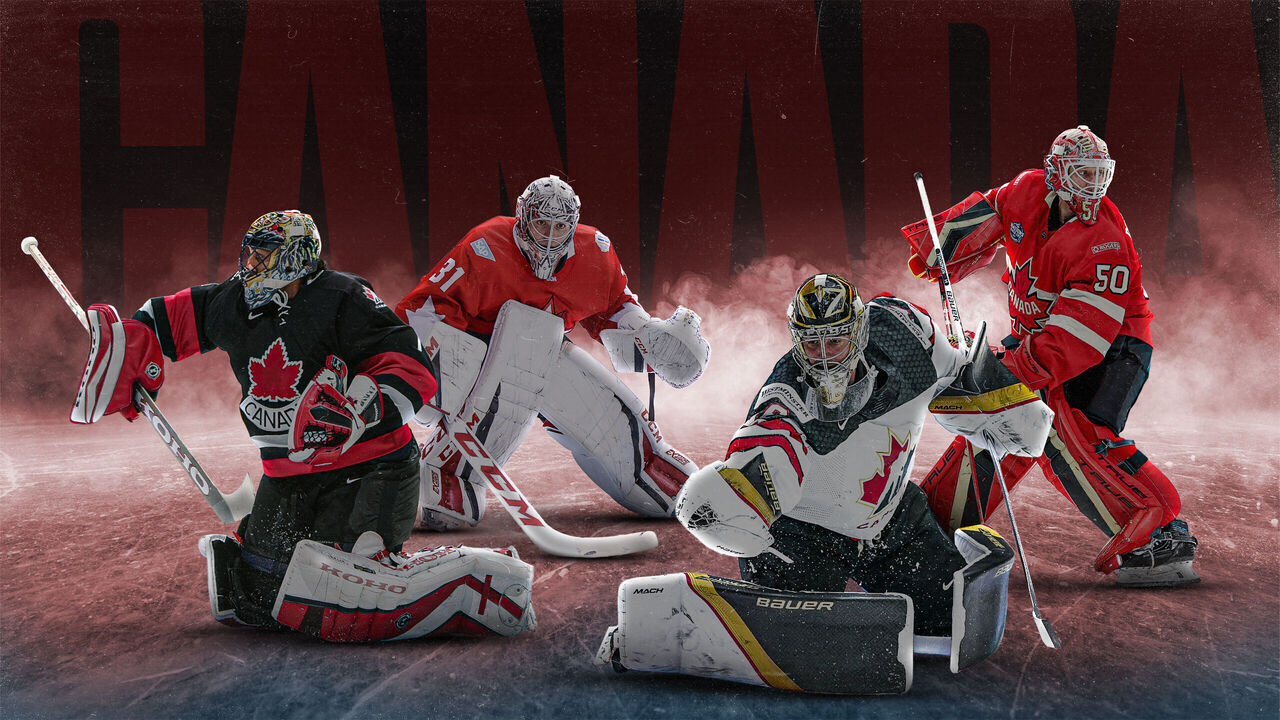
Doug Armstrong anticipated the question. His rationale was ready.
It was Dec. 31, and the general manager of Canada's men's Olympic hockey team had just finished waxing poetic about 19-year-old superstar Macklin Celebrini - one of several flashy names on a stacked 25-man roster unveiled moments prior. Canada enters the Feb. 11-22 Olympic tournament in Italy as the front-runner to win gold.
"What gives you confidence that Jordan can still get it done?" a reporter asked Armstrong as part of a layered question about Canada's three goalies.
"When we select all players, we look at their recent play, and we look at their resumes. Jordan Binnington's resume speaks for itself," Armstrong said of the Stanley Cup-winning starter who starred at the 2025 4 Nations Face-Off.
"His name never came up as a question mark," the GM added, despite Binnington's cringeworthy save percentage and goals saved above expected rate in 2025-26. "What everyone saw from him at the 4 Nations cemented his legacy for this (2026 Olympic) tournament, and what I've seen over his career made it easy for me to go in that direction."
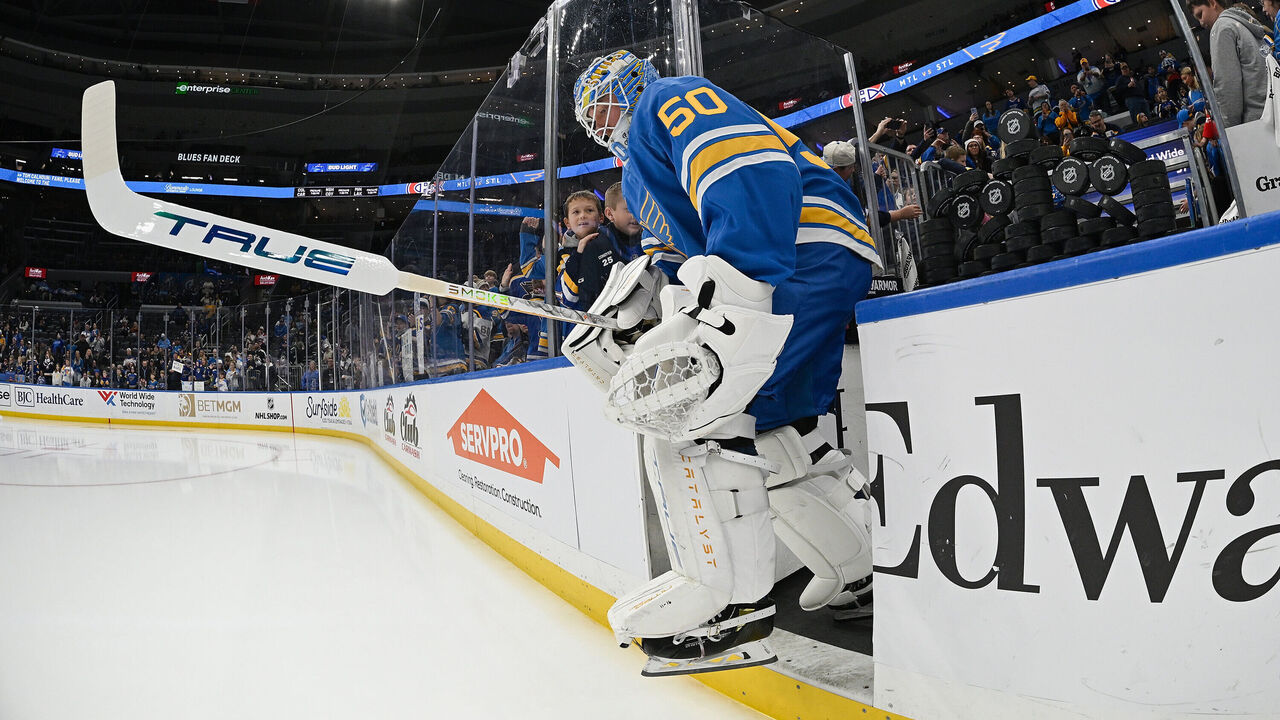
Binnington, presumed backup Logan Thompson, and likely No. 3 Darcy Kuemper all possess impressive resumes. But as Hockey Canada, rival national governing bodies, and the hockey world at large know well, the quality of Canadian goaltending is low relative to the sport's other powers.
There's no Patrick Roy, Martin Brodeur, Ed Belfour, Curtis Joseph, Roberto Luongo, or Carey Price among the 17 Canadians with 10 or more NHL starts this year. Not a single marquee name or legitimate all-world star goalie.
But why? What happened to the goaltending pipeline? How can it be fixed?
Here's what theScore learned after speaking with five experts in the field.
'Robots in the crease'
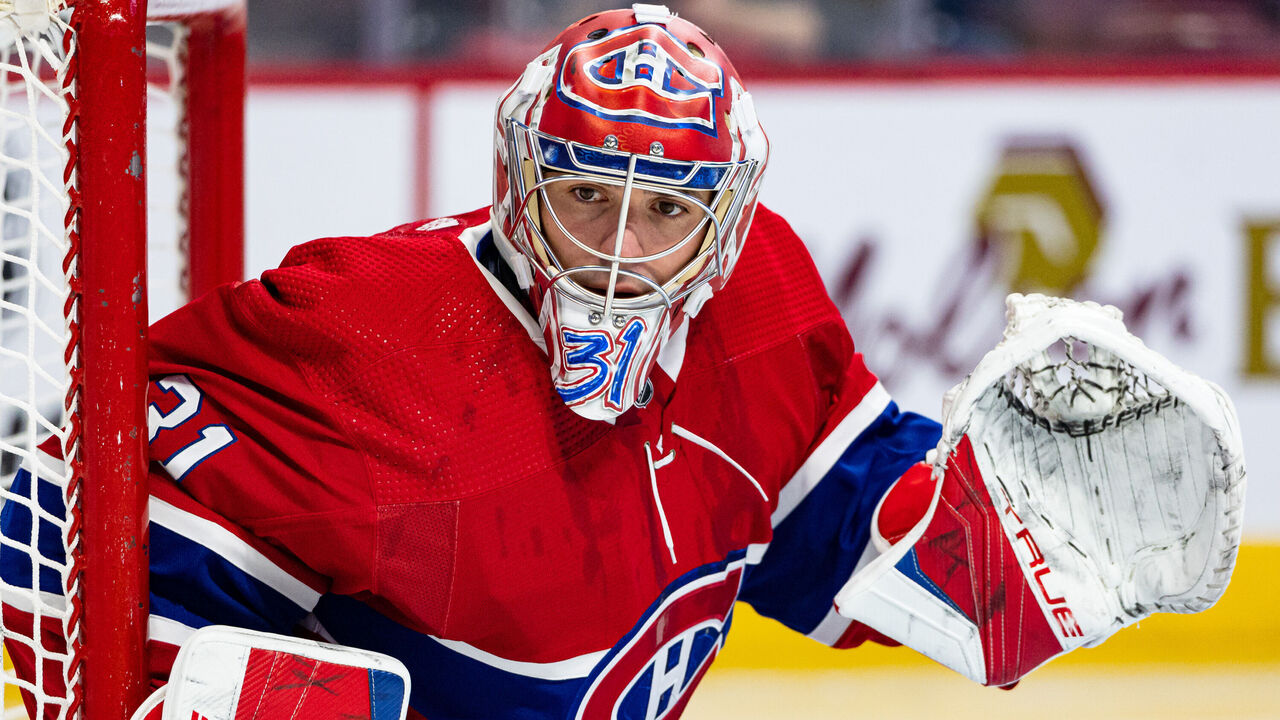
Price was the last Canadian goalie to be considered the best in the world for an extended period. The career Canadiens netminder - who's still on an NHL contract but has been functionally retired since 2022 - was known in his prime for having no discernible weaknesses. His elite tools intimidated opponents.
Still, Price would sometimes try to be perfect in the crease, striving to be flawless rather than effective.
Former Canadiens goalie coach Stephane Waite recalls telling Price to take a beat and imagine himself on the lake back home in rural British Columbia.
"Don't let your technique take away your instincts," Waite would say.
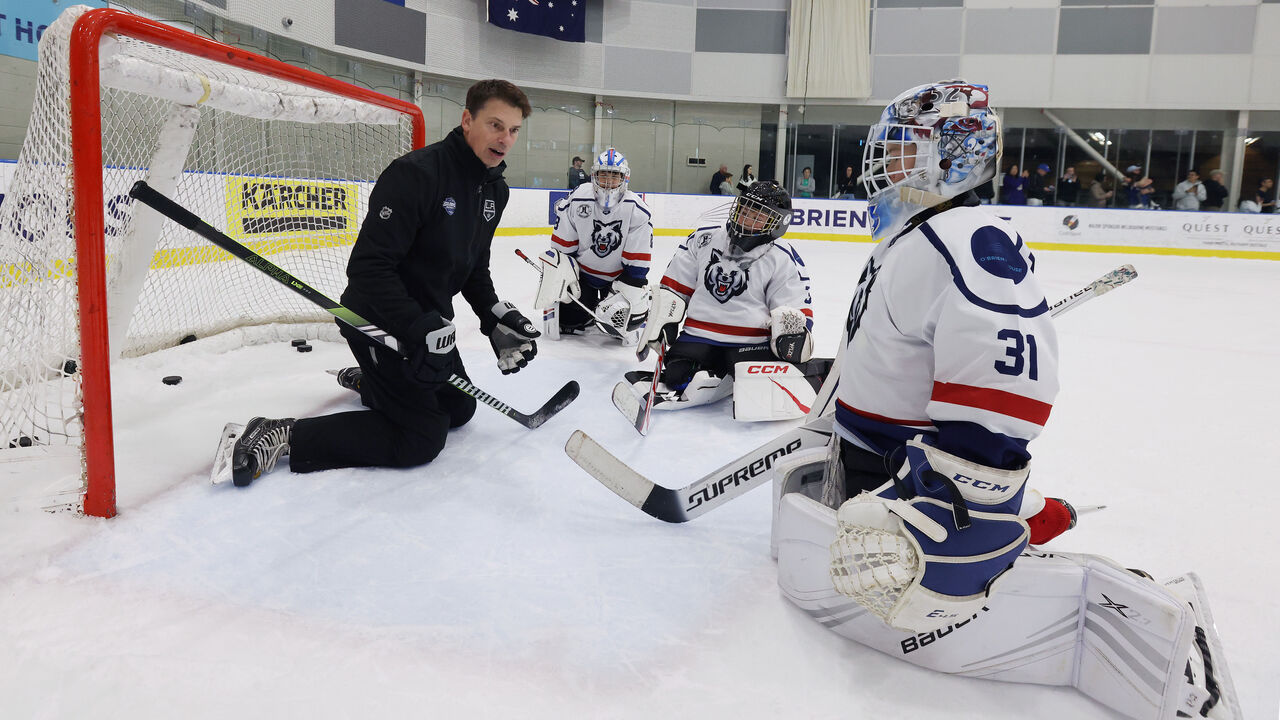
Waite, who spent 18 seasons working with Blackhawks and Canadiens goaltenders, runs a goalie school in Quebec for kids aged 8-16. He also mentors QMJHL managers and coaches as part of a consultant role with the major-junior league. In his view, Canada's hyper-competitive pipeline has produced a generation of "predictable goalies" who "don't think anymore."
"They act like robots in the crease," Waite said.
Goaltending is the most technical and intricate position in hockey. Some argue it's so unlike forward and defense that it's essentially a different sport altogether. This complexity makes specialized coaching for goalies essential.
One problem: The young Canadian goalie has been micromanaged, resulting in movements and reads that are precise but far too rigid. People in the industry call these netminders "goalie school goalies" because they look unbeatable in predictable practice drills yet struggle in the dynamic environment of a game.
Former AHL goalie Rob Gherson has long been a critic of Canada's goalie development culture. If a 10-year-old is technically advanced, he notes, something's gone wrong. You want that level of refinement a decade later.
"I was a very, very technical goalie, and I teach technique now. I love that stuff," said Gherson, a private goalie coach in the Toronto area. "But you also need to be able to throw the technique out sometimes and find a way to get your blocker on the puck. Goalies need to be able to improvise."
Another issue is the limited growth opportunities for young goalies or, as Gherson puts it, the "chokepoints" in the youth system. An Under-10 team in, say, Oakville, Ontario, might have two goalies on its roster, but one might get significantly more crease time than the other because the coaching staff, players, and parents want to win. The Oakville Rangers - the team itself - will benefit in the standings.
But what might happen to the backup? He doesn't take the next step in his development, gets discouraged, and quits the position within a few years.
As for the starter, Gherson explained, "A kid could be really good, really dedicated, really athletic - he could have everything you need. But then he ends up 5-foot-10 as an adult. He probably won't be an NHL goalie at that height. That's the problem with narrowing the talent pool at a young age."
Similar to youth football in the United States, youth hockey in Canada has become professionalized. Money, politics, and exclusive academies rule.
In the Greater Toronto Area, the disparity in talent between teams can be massive. For goalies, suiting up for a powerhouse isn't particularly helpful, as the player will rarely be challenged. Conversely, playing on a bottom-feeder that consistently gets blown out can be just as detrimental, as repeated losses can hurt a goalie's confidence and lead to bad habits.
"The focus on recruiting and the focus on winning at all costs really hurts goaltending," Gherson said. "Goalies need to be in game situations where it truly matters if they play well or they don't play well. This is a position of consistency, of good game reps, and of going through adversity."
'Not for the faint of heart'

Goalie parents are both victims of and contributors to the flawed system.
Hockey is an expensive sport, and goaltending is easily the most expensive position. I asked a parent of an NHL prospect currently playing major-junior in Canada for a rough breakdown of the annual bill in the goalie's age-12 year.
- Equipment: $4,000
- Offseason training: $5,000
- Private coaching: $6,000
- Team-related fees and travel: $10,000
- Estimated total: $25,000
"A goalie stick today is like $500. It's just unbelievable," the parent said.
The prospect's junior team now covers a huge chunk of the annual bill. However, the goalie works with a mental skills coach on the side, which costs the family $6,000. "To get to the top as a goalie and have everything you need in North America, you really do almost have to rob the bank," the parent added, though he noted his son has learned a lot of transferable life skills in hockey, most notably how to perform admirably under immense pressure.
"We've done whatever's been needed, and we'd do it all over again," the parent said. "At the same time, it's not for the faint of heart. There's no doubt that people run out of money. I've felt like I've been there many, many times."
The prospect's parents are small-business owners, which aligns with the typical job for the parents of promising goalies. "Most of the kids I've coached have parents who are lawyers, accountants, doctors, CEOs," Gherson said.
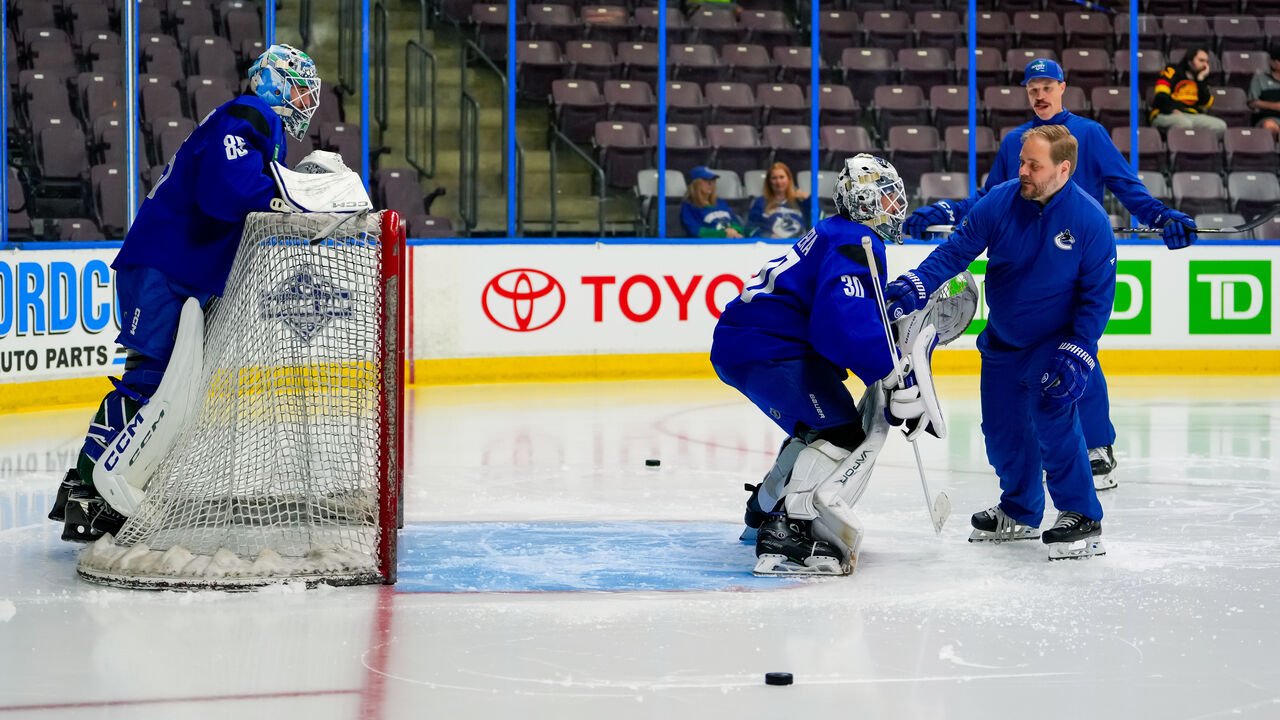
The exorbitant costs often stop parents from encouraging their kids to try goalie in the first place. For those who stick it out, a "keeping up with the Joneses" mentality tends to take over. Parents of high-achieving youngsters shovel thousands of dollars into gear and coaching in response to other families' behavior.
But more doesn't always equal better. A parent might think a few extra sessions with a private coach will improve their 8-year-old's butterfly slide when, in reality, it contributes to the cumulative toll on the goalie's body.
"I have almost 150 kids at my summer goalie camps," Waite said. "A lot of parents ask, 'Hey, what will it take for my kid to be a good goalie?' I say, 'Hey, just make sure of one thing - that he's passionate about the position. If he has passion, he's got a chance. If not, forget it. Don't put any pressure on him.'"
'Give them way more leash'
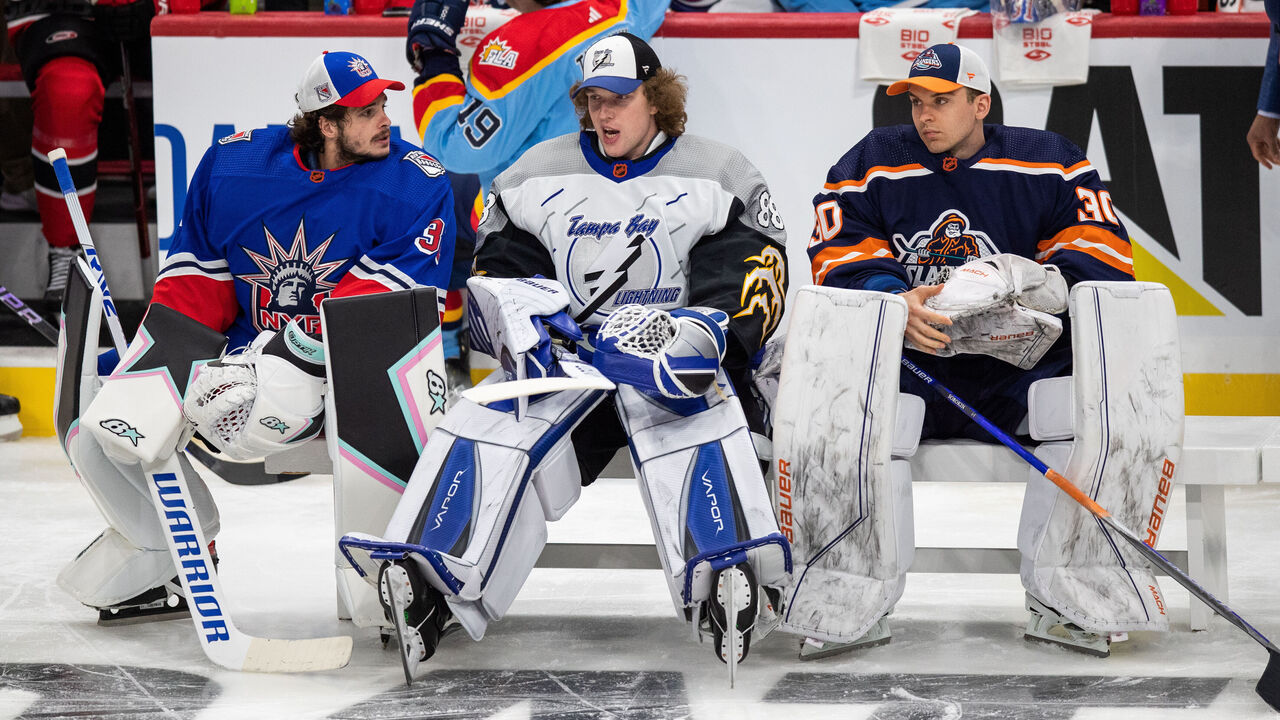
Adam Francilia is a B.C.-based private goalie trainer whose NHL client list includes Connor Hellebuyck, Andrei Vasilevskiy, and many others. Over the years, he's worked with Canadians, Americans, Russians, Swedes, Finns, Czechs, Germans, and Danes. His favorite goalie-producing country? Russia.
Francilia appreciates that a young Russian goalie is expected to learn multiple playing styles, eventually chooses one that matches their specific strengths, and then refines their game over multiple years. The trainer also values that goalies usually remain with their hometown teams, riding the ups and downs of winning and losing seasons, and can make a pro club in their teens.
Goaltending is both an art and a science, Francilia said. In his experience, Russia taps into both, whereas Canada overemphasizes the scientific, or technical, aspects at the expense of instinct, problem-solving, and artistry.
"We need to allow these Canadian kids to explore their games," he said. "We need to give goalies more freedom, give them way more leash to just play."
The U.S., currently enjoying a golden era of goaltending, changed its development philosophy around 15 years ago. Today, USA Hockey strategically aims its resources at three different "levels" within the system.
The Try level focuses on making goaltending fun and inexpensive for young players. At the Develop level, head coaches across the country receive training on basic puck-stopping techniques, goalie-friendly practice drills, communication, and workload. The Master level pairs the best coaches with the best goalies.
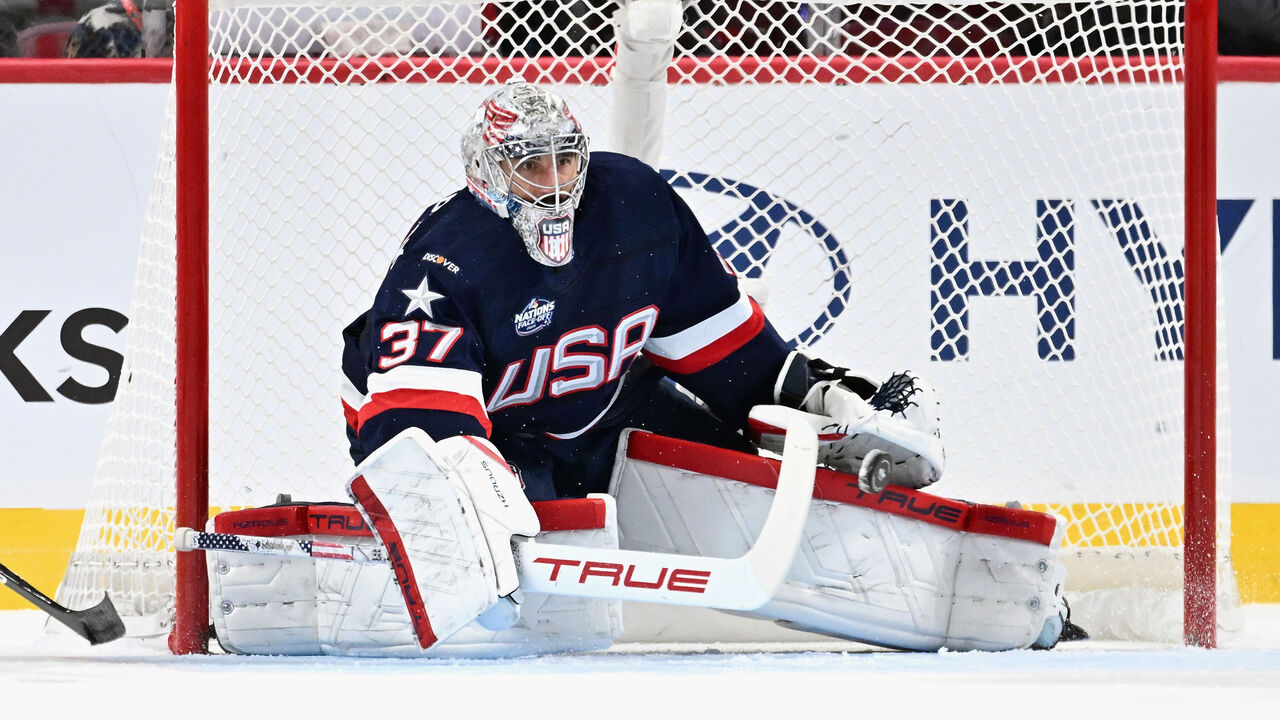
"We want to make sure that every youth hockey player is playing hockey every time they go to the rink," Steve Thompson, USA Hockey's manager of player development, said of one high-level goal. "Historically, there's been so many goalies that drive two hours to a game, and all they do is sit on the bench because it's 'not their turn.' How ridiculous is that when you think about it?"
At the U10 level, goalies often split 12-minute periods. This offers each young netminder a physical and mental break, allows coaches to provide some feedback, and means they share both the praise and blame that come with each result.
USA Hockey also strongly encourages beginner players to be sampling generalists, not specialists. On teams without dedicated goalies, coaches have made a habit of handing out "most complete player" helmet stickers to those who contribute in various ways. That could mean scoring a goal, recording an assist, and making 10 saves in a single game.
'Proof will be in the pudding'
Like the U.S., Canada has been looking to Europe for inspiration. In 2017, Hockey Canada began tackling the goaltending development issue, even sending representatives to Sweden and Finland in 2018 to observe their systems. Since then, the national governing body has rolled out various initiatives and programs, continuously tweaking its approach.
"We recognize that we need to do more in the goaltender development area," said Corey McNabb, Hockey Canada's director of player development. "The (media and fan) noise is good," he added. "It doesn't let you get complacent."
In the same breath, McNabb pointed out that Canadian goalies are still being drafted, logging NHL minutes, and starting for Cup contenders at high rates. It's true, the state of Canadian goaltending isn't pure doom and gloom.
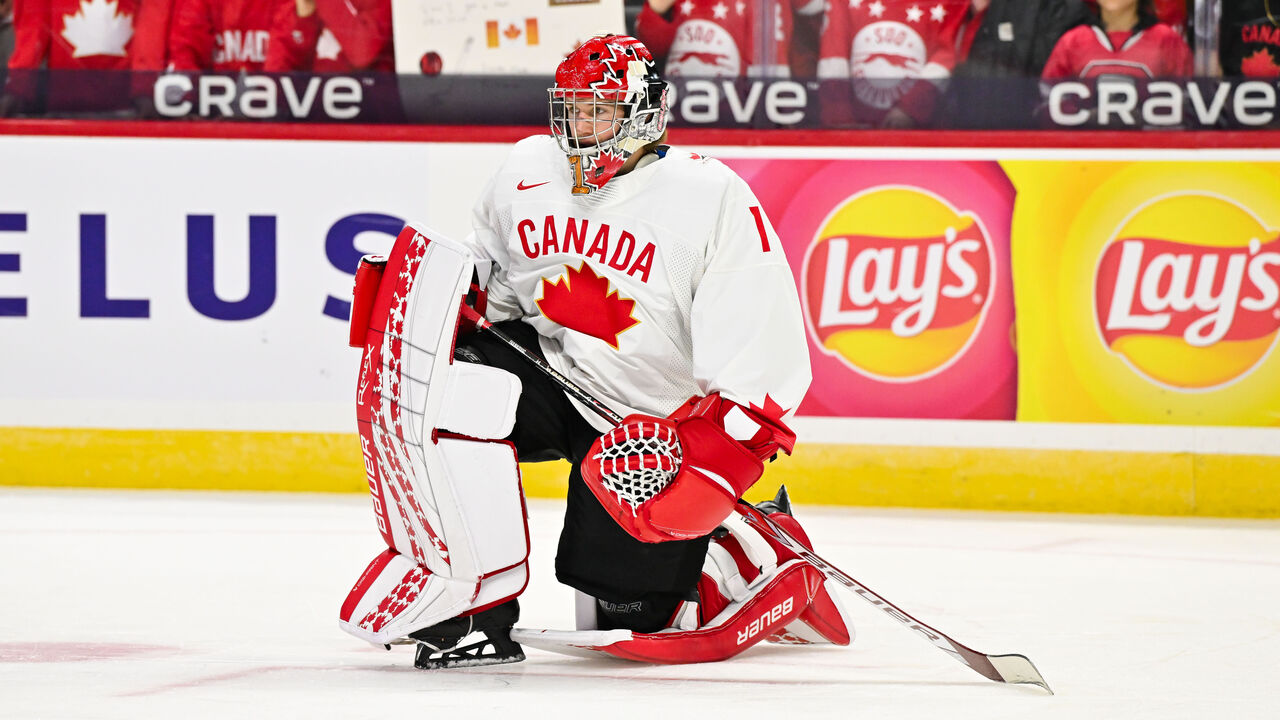
Still, Hockey Canada aspires to modernize its development model by incorporating what's worked elsewhere. The goal is to increase the total number of goalies in the pipeline and cultivate more well-rounded athletes - players who become goaltenders after experimenting with other sports and positions. By strongly encouraging goalie rotations, Hockey Canada is hoping to ensure every interested kid gets a fair shake.
"We need to keep pushing those principles," McNabb said. "At the end of the day, it's OK to want your son or daughter to get to the highest level. But we think if you go about it the right way, your kid is going to have a better chance. Right now, as goalies get older, one of the challenges is just opportunities."
Hockey Canada provides education and rationale to teams and coaches about split workloads for young age groups. Although mandating specific minute thresholds sounds nice in theory, enforcing the idea is virtually impossible.
In that sense, some of the core issues plaguing Canadian hockey are heavily influenced by the competing interests of associations, teams, coaches, and parents. Each party has different incentives and perspectives, limiting collaboration and making unified change difficult. "Culture eats strategy for breakfast," McNabb said, repeating a popular corporate mantra.
A revamped and intensive goalie coach certification program is helping spread Hockey Canada's updated development principles, while more than 2,000 teams nationwide have opted into an information-sharing program this year.
"We have a lot of associations who are really looking at the issue - how do we advance this position?" McNabb said. "The want is there. The path is there. The next challenge is going to be a little bit of that patience. It takes time."
For all the handwringing and soul-searching in Canada since the last time NHLers competed in the Olympics - when Price earned gold in 2014 with Luongo backing him up - maybe the next NHL star will arrive sooner than later. If the wait continues, though, the questions will persist.
"The proof will be in the pudding in the next number of years," McNabb said.
John Matisz is theScore's senior NHL writer. Follow John on Twitter/X (@MatiszJohn) or contact him via email ([email protected]).