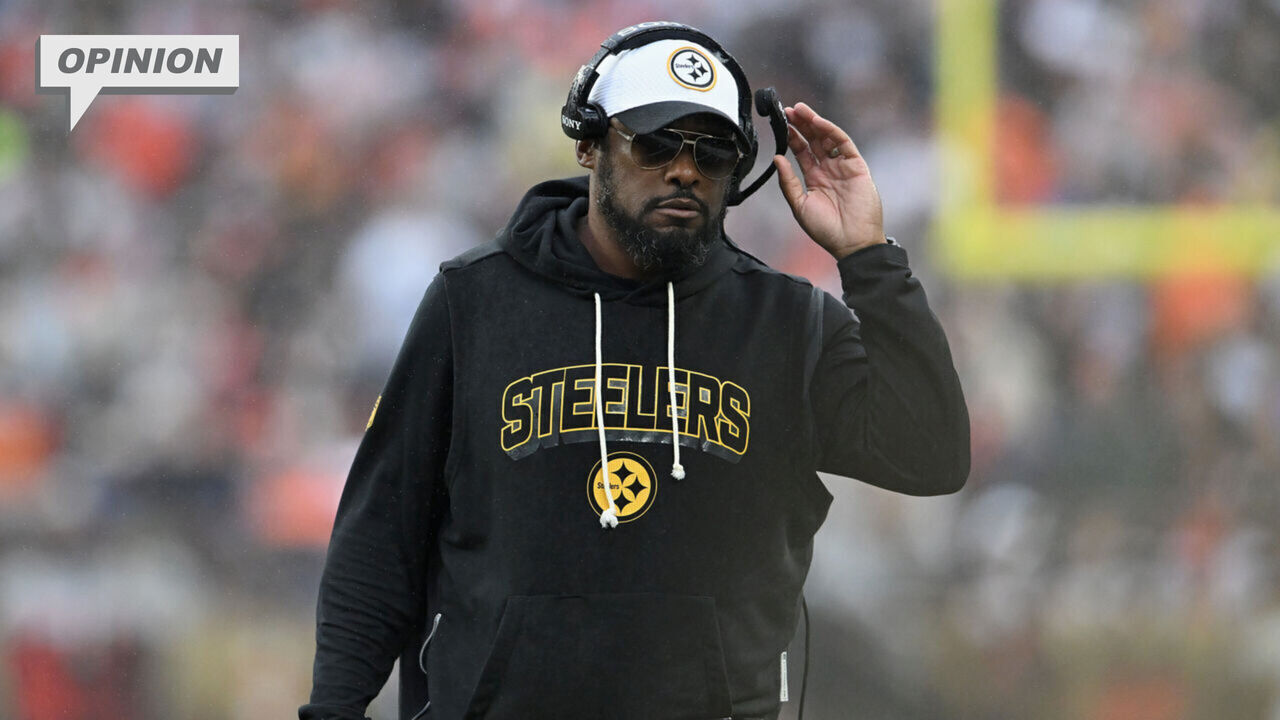
For the first time since 2007, and just the fourth time since 1969, the Pittsburgh Steelers are looking for a new head coach.
Mike Tomlin stepping down Tuesday marks the jarring end of an era for an iconic franchise. As frustrated as fans may have been with recent playoff failures, his status among the NFL's most respected coaches isn't up for debate.
A 19-year run that included a Super Bowl title and no losing seasons was the product of an exceptional winning culture fostered by the face of the franchise. Add in the list of star players with big personalities who thrived under his guidance in Pittsburgh - some of whom flamed out spectacularly after landing elsewhere - and there's a case to be made that Tomlin is one of the best leaders this game has ever seen.
With that in mind, it goes without saying that every club in the market for a head coach, and perhaps even a few not fully committed to the one they have in place, will put in calls to make their pitches. Whether it's this year or potentially down the road after he takes time to reset with broadcast work, Tomlin will have teams throwing offers his way until he eventually takes another lead job.
All of that can be true even as both sides recognize that, after nearly two decades, it was time for a change. And considering the notoriously conservative Steelers were never going to be the ones to pull the plug, they should be happy Tomlin made the decision for them.
While making the playoffs on a semi-regular basis would thrill many franchises, that'll never be good enough in Pittsburgh. Expectations are exponentially higher for an organization with six Lombardi Trophies. Having dropped six straight postseason games now - making it nine years since their last win - it was becoming increasingly clear that the Steelers would need a new vision to have any hope of adding another to the collection.
Tomlin isn't entirely at fault. We're likely having a different conversation if Pittsburgh had managed to stumble upon a long-term quarterback solution at some point in the four years since Ben Roethlisberger called it a career. But there's some luck involved in such pursuits, and the Steelers didn't do themselves any favors by consistently drafting in the back half of the first round.
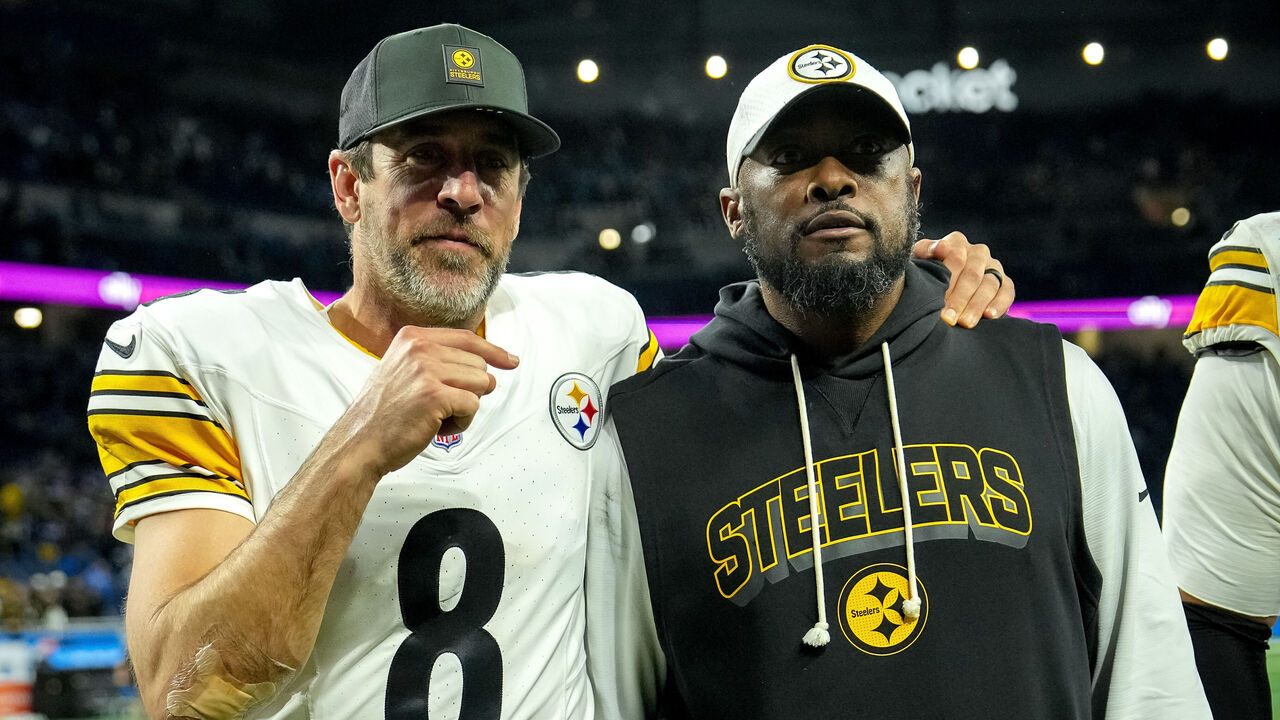
Still, passing on a falling Jaxson Dart (and Tyler Shough) last April and going all-in on a 42-year-old Aaron Rodgers left no doubt that team decision-makers, Tomlin included, were drawing the wrong conclusions from their postseason cameos. Getting thoroughly embarrassed by the Houston Texans on Monday night drives home the cruel reality that merely reaching the playoffs, no matter how consistently you do it, doesn't mean you're a quick fix or two away from catching up to the real contenders.
Other similarly talented teams have made noise in January, so it's easy to understand why the Steelers thought they'd break through eventually. However, doing so with the rosters they've put together over the last few years was unlikely without some schematic creativity. For all of Tomlin's admirable qualities, he and his staff haven't exactly been at the forefront of innovation.
A once-stout Steelers defense has been shockingly vulnerable in recent years. Offenses today have too many easy ways to expose vanilla coverage schemes, making this unit almost entirely dependent on the front four wrecking shop. If that rush didn't get home, the back seven was consistently in trouble. Pittsburgh finished this season ranked 24th in pass success rate when the opposing quarterback wasn't pressured, according to TruMedia.
Tomlin's offensive coordinator hires have led to similar problems on the other side of the ball. The Matt Canada debacle, which somehow lasted nearly three full seasons, represented a particularly unwatchable stretch of football for that group. Arthur Smith has been an upgrade, and one could argue that he was hamstrung this year by having an immobile quarterback and exactly one starting-caliber wideout. Yet his unimaginative passing game still leaves the Steelers lagging behind modern competition.
Pittsburgh may never find a coach who can lead a room like Tomlin, but that doesn't mean this fresh start can't be a net positive. The right hire could bring in a more innovative staff, better equipped to adjust to league trends. Perhaps even more importantly, a new regime would likely be willing to turn over the roster and embrace the retooling effort this team so desperately needs. No more clinging to fringe contender status to the detriment of the future.
There might be some short-term pain. After years of inexplicable Tomlin magic regularly helping them exceed expectations, the Steelers taking a brief step back would test the patience of a passionate fan base. If the result is a sustained contender with upside beyond the first round of the playoffs, a few tough years while building the right way would be a small price to pay.
Tomlin's exit may only be setting the stage for the next great Steelers coach to go on an extended run of his own. This organization has never known anything different.
Dan Wilkins is theScore's senior NFL writer.