March Sadness: 1 reason your team won't win NCAA tourney
We gave you 36 hours to enjoy the euphoria of Selection Sunday before before breaking the bad news: Your team won't win the NCAA Tournament.
The field of 68 will eventually be whittled down to one team that cuts down the nets in three weeks. Everyone else's season will end with a loss.
Here's one reason each team won't claim bracket glory.
Jump to seeds:
11-16 | 10 | 9 | 8 | 7 | 6 | 5 | 4 | 3 | 2 | 1
Seeds 11-16
History. Look, we could spend plenty of time unpacking Lehigh's splits and telling you why the Mountain Hawks won't win the tournament, but it's simpler to say that past performance is the reason lower-seeded schools will lose.
The worst seed to win the national championship was No. 8 Villanova in 1985. No team outside an 11-seed has even qualified for the Final Four. So we're eliminating all these programs for that reason.
No. 10 seeds
Missouri: 3-point defense. Elite shooters launch triple after triple, moving all around the arc and lighting up the scoreboard. No, I'm not talking about the 3-Point Contest at NBA All-Star Weekend - I mean Missouri's 330th-ranked 3-point defense this season.
Texas A&M: Happy to be there. Does a program that celebrates fourth-place finishes seem like it's poised for a title run? Didn't think so.
Don’t doubt the Ags. pic.twitter.com/NPwuk2urEY
— Texas A&M Basketball (@aggiembk) March 8, 2026
UCF: Rim protection. Despite a very large frontline, UCF is one of the friendlier teams in the tournament, ranking 246th nationally in opponent 2-point shooting and 240th in block rate. Basically, if you get to the Knights' basket, the hoop is open for business.
Santa Clara: Foul issues. Only two teams in the NCAA Tournament - and 28 total in the 365-team Division I - foul more per possession than Santa Clara. That'll be a major issue if the Broncos get a whistle-happy officiating crew.
No. 9 seeds
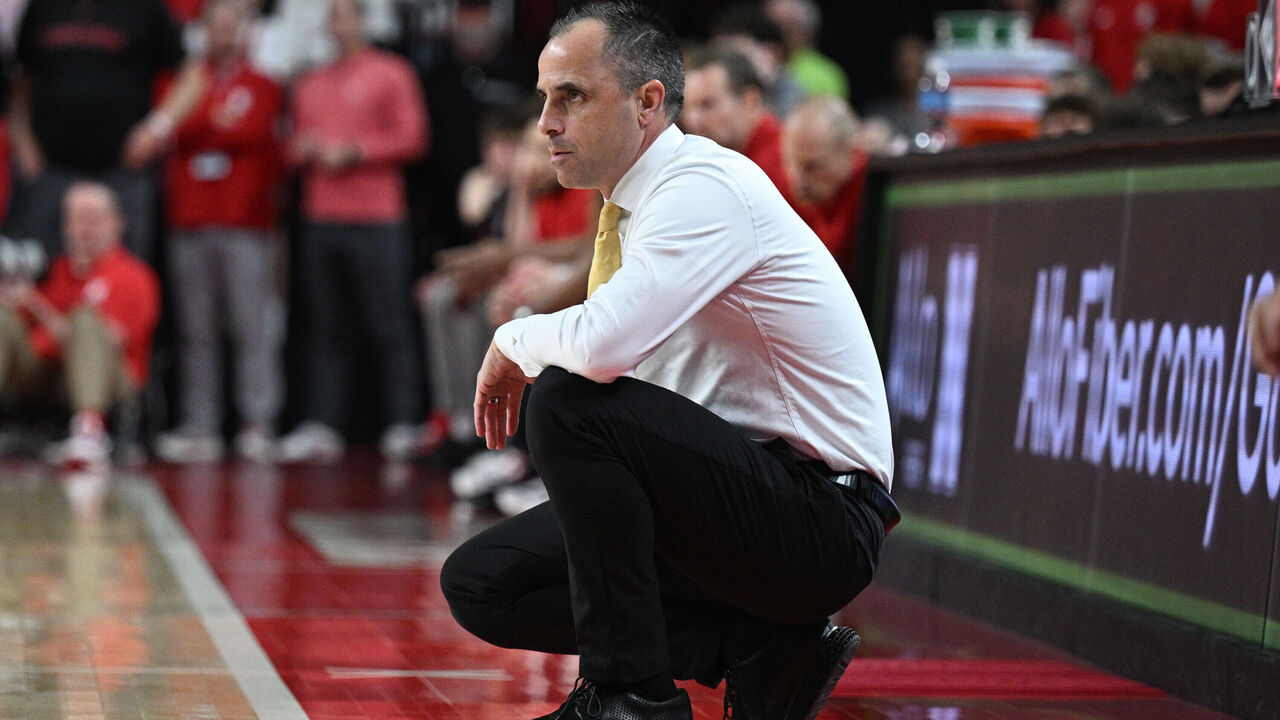
Iowa: Pace. Iowa plays incredibly slowly, ranking 357th nationally in pace. The only tournament team below them is Northern Iowa, suggesting that state legislation may prohibit speed on the basketball court.
Utah State: Lack of inside scoring. Utah State is as reliant on guards as any team in the nation - four of its five leading scorers are backcourt players. Only one Aggies big scores more than seven points per game. Unless Utah State can shoot the lights out every round, this won't be a long run.
Saint Louis: Turnovers. A phenomenal 24-1 start to the season was marred slightly by a 3-3 finish. In those three losses, the Billikens notched 31 assists to 45 turnovers - a 0.69 assist-to-turnover rate that would rank 364th in the country over the entire year.
TCU: 3-point shooting. TCU needs to get off to a hot start every game because coming back from a deficit usually isn't in the cards. That can mostly be attributed to a roster that ranks 224th nationally in 3-point shooting.
No. 8 seeds
Villanova: Can't beat top teams. If the NCAA had a B bracket, Villanova might be a popular pick. However, this is the big show. With one top-50 KenPom win all year, it's tough to see the Wildcats doing much.
Ohio State: Turnovers. The Buckeyes are 98th nationally, turning the ball over on 15% of possessions. That could make Ohio State's opening-round game against TCU's top-30 defense very difficult.
Clemson: Carter Welling injury. Very few teams would be capable of a deep tournament run after their top rebounder and second-leading scorer tore an ACL in the conference tourney. Clemson is not one of them.
Georgia: Defensive rebounding. Against Georgia, the best offense might be just chucking the ball at the rim. The Bulldogs rank 323rd nationally in defensive rebounding - which is especially scary considering Michigan, a top-10 rebounding outfit, is a potential Round of 32 opponent.
No. 7 seeds
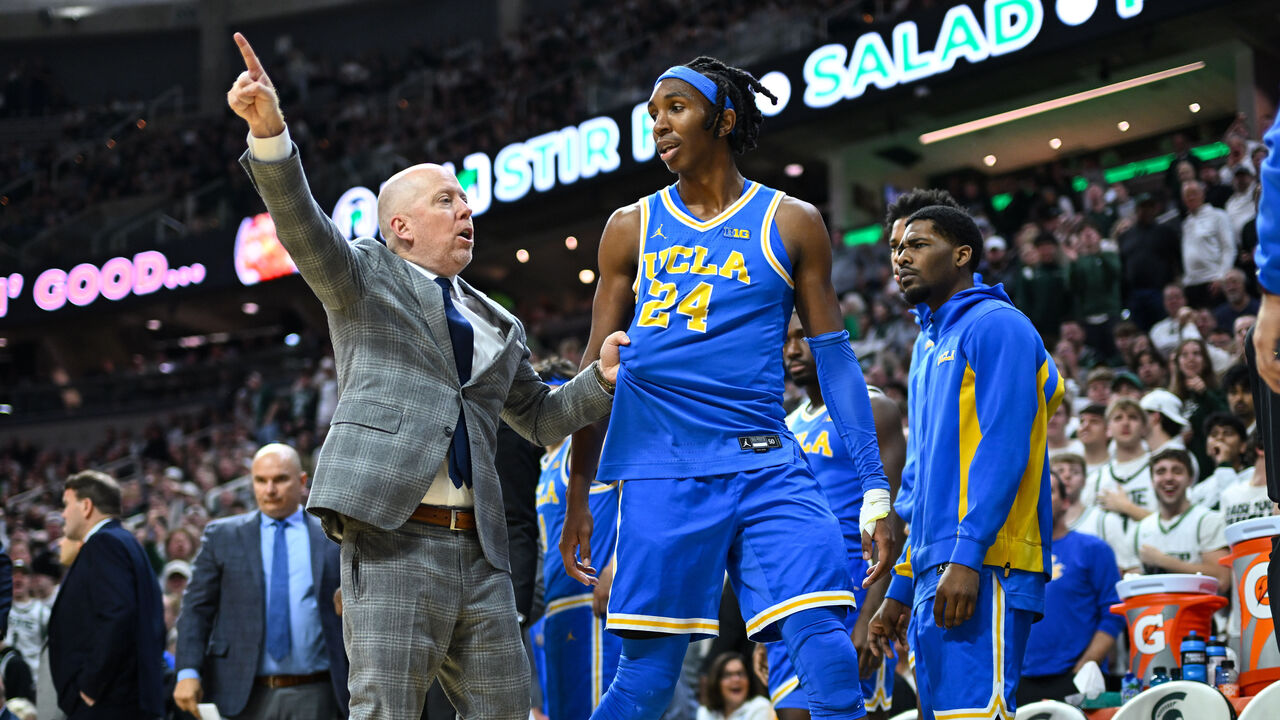
UCLA: Playing on the road. UCLA does not like leaving Los Angeles this season. Just ask head coach Mick Cronin. Bad news for the Bruins: The tournament isn't played exclusively in California. That will be enough to undo UCLA's chances, no matter how brilliant Donovan Dent can be.
Kentucky: Inconsistency. Some people skydive, bungjee jump, or do extreme sports to get an adrenaline rush. Others simply try to figure out this Kentucky basketball team. Since the calendar hit February, the Wildcats have won two, lost three, won two, lost two, won two, and lost one. That's not a team that can win six straight.
Saint Mary's: Record vs. top competition. Saint Mary's once again has a very strong WCC squad but simply doesn't have the horses to keep up with the top competition in the NCAA Tournament. The Gaels went 2-3 this season versus Gonzaga and Santa Clara and also fell to Vanderbilt earlier in the year.
Miami: First-year head coach. The only first-year head coach to win the NCAA Tournament was Steve Fisher with Michigan in 1989, and that has an asterisk because he took over the team following the regular season. Jai Lucas has done an incredible job in his first year with the Hurricanes, but we don't like his chances to make March Madness history.
No. 6 seeds
BYU: Defense. Since losing Richie Saunders to a season-ending injury in mid-February, the Cougars have ranked 162nd nationally in defensive efficiency. That isn't going to get the job done, regardless of AJ Dybantsa's ability to drop 40 in any given game.
Louisville: Mikel Brown Jr.'s availability. Louisville is 7-5 with the star freshman on the bench and 16-5 with him on the court. Brown - who hasn't played since Feb. 28 - is hopeful to return for the NCAA Tournament, but our bracket doesn't like the uncertainty.
North Carolina: No Caleb Wilson. The fabulous freshman will miss the tournament with a hand injury. That effectively ends North Carolina's hopes considering he leads the team in points, rebounds, assists, steals, and blocks. Nobody in the country could replace that type of production.
Tennessee: Rick Barnes. The Tennessee coach has won a boatload of games everywhere he goes but has just one Final Four appearance in a 38-year coaching career. While the Volunteers could make a run, it will end before the national semis.
No. 5 seeds
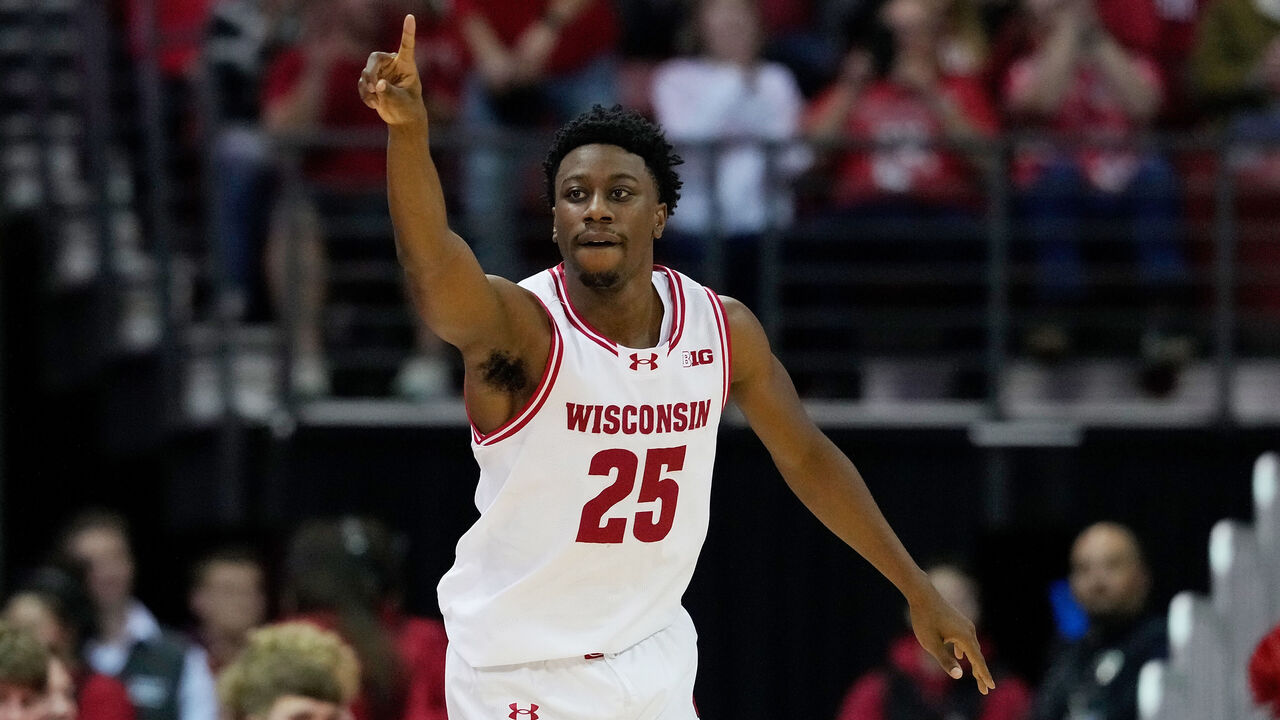
Wisconsin: Reliance on the 3-pointer. A whopping 41% of Wisconsin's points this season came from beyond the arc, so the Badgers are definitely going to hoist it from deep. It's great when you make 53% of those shots and get a road win at Purdue. It doesn't work out so well when you make 22% of them and lose by 30 to Nebraska.
Texas Tech: No JT Toppin. Texas Tech falls into the same category as North Carolina - an injury to its best player is too much to overcome. Toppin led the team in points, rebounds, blocks, and steals at the time of his season-ending injury, and the Red Raiders are 3-3 since.
St. John's: Shooting. If you watched St. John's miss 24 straight shots to close a loss to UConn toward the end of the season, you're nodding vigorously. Although the Red Storm rebounded to beat the Huskies in the Big East title game, we can't unsee that previous shooting performance.
Vanderbilt: Defending without fouling. It's tough to find fault with a red-hot Vanderbilt team at the moment, but the team commits fouls on almost 25% of its defensive plays. That's no recipe for a deep March Madness run.
No. 4 seeds
Nebraska: No March Madness wins. Nebraska basketball has been around for 130 years but hasn't won a single NCAA Tournament game. That will change this year, but the Cornhuskers aren't going from zero wins to six and a national title in one swoop.
Alabama: Lack of size. How badly did Alabama need frontcourt help this season? The Crimson Tide brought a professional basketball player back to college. Charles Bediako was briefly able to play, but the courts eventually ruled he was ineligible - and likely squashed Alabama's title hopes in the process.
Arkansas: Defense. John Calipari's first year with Arkansas produced a top-20 defensive squad and the 64th-ranked offense. The team's profile flipped this time, with an elite offensive outfit often held back by the nation's 220th-ranked field-goal defense.
Kansas: Darryn Peterson's unpredictability. If Kansas gets peak Peterson, the Jayhawks are a real threat to make the Final Four. However, that's not the most reliable proposition in college basketball these days. Peterson is elite when engaged, but it seems unlikely that he could stay at that level for six games.
No. 3 seeds
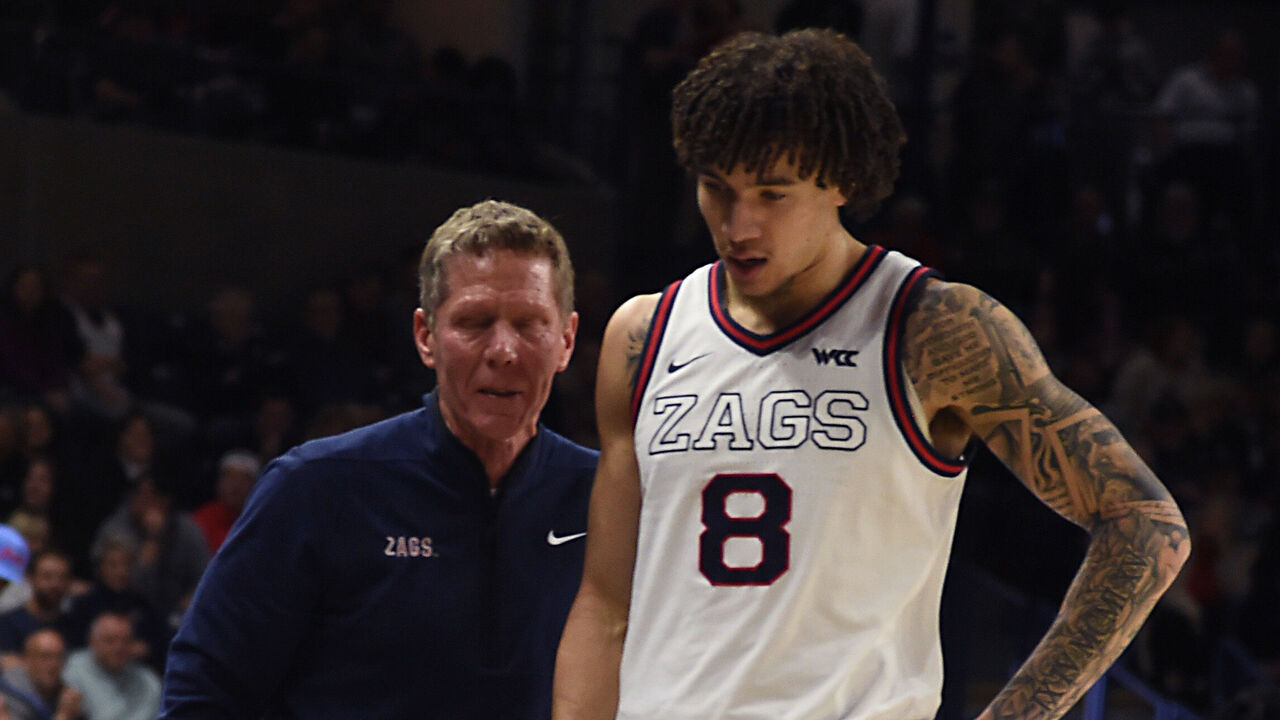
Gonzaga: 3-point shooting. Gonzaga's sunk just 34% of its triples on the season to sit 176th in the country. That's also the worst mark for any Bulldogs team since Mark Few took over the program in 1999.
Virginia: Defensive rebounding. Virginia's first year under Ryan Odom has been a smashing success, but the Cavaliers' ACC championship loss to Duke exposed a massive flaw: The Blue Devils ripped down 20 offensive rebounds in the narrow win. That helped push Virginia down to rank 210th nationally at allowing offensive rebounds.
Michigan State: Murderers' row of opponents. Michigan State dropped from a 2-seed to No. 3 when Purdue won the Big Ten Tournament. That gives the Spartans a potential three-game run of No. 6 Louisville, No. 2 UConn, and No. 1 Duke in order to make the Final Four. Good luck.
Illinois: Stopping anybody. Illinois is must-see television on the offensive end, with multiple weapons playing beautiful basketball in the nation's top attack. Unfortunately for the Illini, they're often must-see television on defense as well because the other team puts up points at an alarming rate.
No. 2 seeds
Iowa State: Free throws. Iowa State ranks 340th nationally after making 67.2% of its free throws on the season. That would be the lowest team mark from a national champion since UConn in 2004. The Cyclones have the talent to win it all, but they'll need to improve from the stripe to do it.
Purdue: Braden Smith's 3-point shooting. It's hard to identify a negative for a Purdue team that just knocked off Michigan to win the Big Ten tourney. Smith's a brilliant playmaker, but he's hit just five of his last 28 attempted triples. That needs to change if the Boilermakers want to add a second trophy to the case this year.
UConn: Offense can struggle. UConn features five double-digit scorers but doesn't really have a true go-to No. 1 option. That can result in lengthy scoring droughts, like the final eight minutes of the Big East final where the Huskies had zero field goals.
Houston: Depth issues. Houston needs seniors Emanuel Sharp and Milos Uzan to take some scoring pressure off freshman Kingston Flemings. Unfortunately, that duo has scored below their season average in four games straight. Not the trend you want entering March Madness.
No. 1 seeds
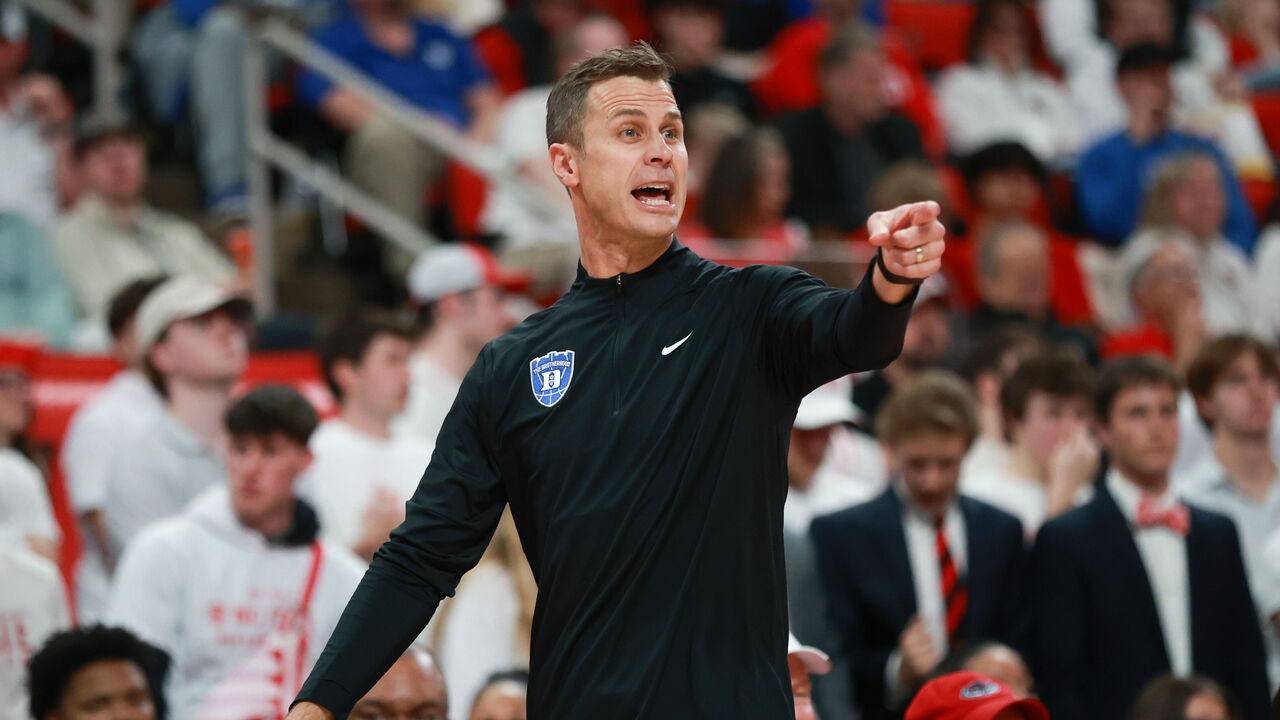
Duke: Injuries. Yes, Duke still won the ACC Tournament without Caleb Foster and Patrick Ngongba, but this isn't the same juggernaut without them. Although Cam Boozer is incredible and Ngongba might be back in the NCAA Tournament, six wins without Foster seems like a big ask.
Florida: 3-point shooting. Just when we thought Florida fixed its shooting woes, the Gators converted just 29% from deep in a blowout loss to Vanderbilt. The Gators are 324th nationally in 3-point shooting. That's tough to overcome no matter how dominant the frontcourt can be.
Michigan: Defending the pick-and-roll. We were all set to hand Michigan the title, and then the Wolverines got dismantled by Purdue's pick-and-roll in the second half of their Big Ten title loss. Whether another team can pull that off remains to be seen, but that possibility puts Michigan behind Arizona.
Arizona: Nothing. Congratulations to this year's NCAA Tournament champions, the Arizona Wildcats.
HEADLINES
- Edwards out with knee inflammation, will be re-evaluated in 1-2 weeks
- Nick Foligno returns to Chicago for 1st time since trade to Wild
- Draisaitl expected to miss rest of regular season with lower-body injury
- Report: Texans add Teller on 2-year, $16M deal
- MacKinnon: 'The flow's off' as Avs' NHL lead shrinks to 3 points